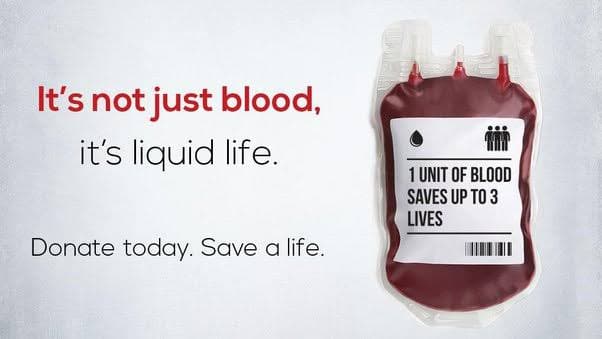
One unit of blood equals 450 milliliters (mL) — roughly one pint. This is the global standard used by blood banks worldwide.
Quick Reference Table
| Blood Component | Volume Per Unit |
|---|---|
| Whole Blood | 450–500 mL |
| Packed Red Blood Cells (pRBC) | 225–350 mL |
| Blood Plasma | 200–250 mL |
| Platelets | 200–300 mL |
| Apheresis Donation | 500–600 mL |
Why 450 mL — Not More, Not Less?
- Blood donation bags are factory-calibrated to collect exactly this volume
- It is medically proven to be safe for a healthy adult donor
- Standardization helps hospitals manage transfusion protocols consistently
- One donated unit = roughly 10% of an adult's total blood volume (which is 5–6 liters)
- The body replenishes this volume within a few days
Blood Unit by Component — What Happens After Donation?
After donation, blood banks process the donated blood and separate it into components — red blood cells, plasma, white blood cells, and platelets — each used for different medical treatments.
- Red Blood Cells → stored cold, last 35–42 days
- Plasma → frozen, used for clotting disorders
- Platelets → stored at room temperature, last only 5–7 days
Clinical Fact Worth Knowing
One unit of whole blood (approximately 450 mL) raises a patient's hemoglobin level by about 10 g/L. This is why doctors carefully calculate how many units a patient needs before ordering a transfusion.
Pediatric Exception
For pediatric patients, blood donations are typically smaller — often around 250–300 mL.
Also read: What are the Steps to Control Blood Sugar If Prone to Diabetes?
 Answered by
D
Dr. Aarav GuptaHealth & Wellness Writer | Breaking complex medical facts into simple, trustworthy answers that help everyday people make informed decisions.
Updated on06/23/26
0