Yes, a hair transplant can work very well when performed on the right candidate by an experienced surgeon. The transplanted hair usually comes from areas of your scalp that are naturally resistant to hair loss, allowing it to continue growing even after being moved to thinning or bald areas. However, the final results depend on factors such as the quality of the donor hair, the surgical technique used, and proper post-operative care.
To be honest, I used to think a hair transplant meant getting artificial hair attached to your scalp. Later, I learned that it doesn't work that way. During a hair transplant, your own healthy hair follicles are moved from one part of your scalp to another. Since it's your own hair, the results usually look much more natural than I had imagined.
How Does a Hair Transplant Work?
The procedure involves removing healthy hair follicles from an area of the scalp that still has dense hair, usually the back or sides of the head.
These follicles are then carefully transplanted into areas affected by hair thinning or baldness.
After a few weeks, it's normal for the transplanted hair to shed. This is part of the healing process. New hair typically begins growing from the transplanted follicles over the following months.
Is the Result Permanent?
In most cases, yes.
Because the transplanted follicles are taken from areas that are genetically more resistant to hair loss, they usually continue growing for many years.
However, it's important to remember that a hair transplant doesn't stop future hair loss in untreated areas. That's why some people may still need medications or additional procedures to maintain an even appearance over time.
Who Is a Good Candidate?
Hair transplantation generally works best for people who:
-
Have sufficient healthy donor hair.
-
Experience pattern baldness.
-
Are in good overall health.
-
Have realistic expectations.
A consultation with a qualified hair restoration specialist can help determine whether you're a suitable candidate.
What Affects the Success of a Hair Transplant?
Several factors influence the outcome:
-
The experience of the surgeon.
-
The quality of the donor hair.
-
The transplant technique used, such as FUE or FUT.
-
Proper aftercare.
-
Individual healing and hair growth patterns.
Following post-surgery instructions carefully plays an important role in achieving the best possible results.
Hair Transplant at a Glance
| Feature | Details |
|---|---|
| Does It Work? | Yes, for most suitable candidates |
| Hair Used | Your own natural hair follicles |
| Results | Usually natural-looking and long-lasting |
| Permanent? | The transplanted hair is generally permanent, but future hair loss can still occur in untreated areas |
| Success Depends On | Donor hair, surgeon's expertise, technique, and aftercare |
Must Read: How much does a Hair Transplant cost in Mumbai?
About the Author
Nitya Sharma specializes in creating educational health content based on credible research and trusted medical sources. She writes about hair care, wellness, nutrition, and common medical conditions, helping readers make informed health decisions through clear and accessible information.
 Answered by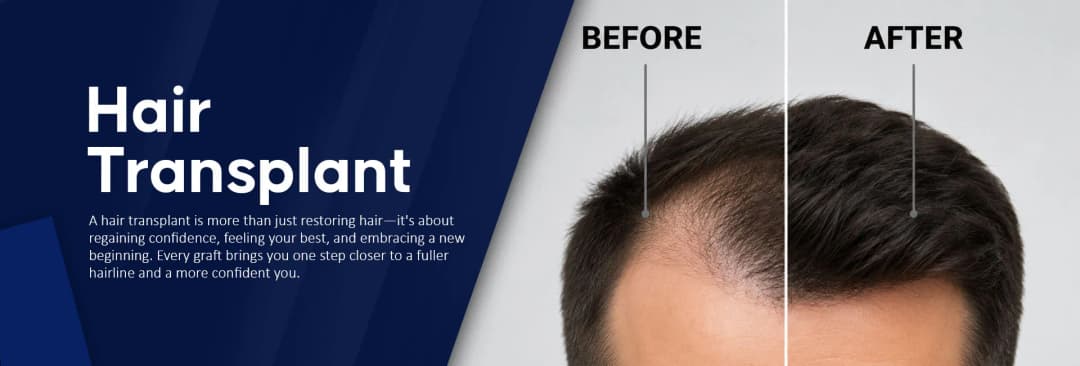


.jpg&w=1920&q=75)