Answered on09/06/23
Yes, web design significantly affects SEO (Search Engine Optimization). Here's how:
- Page Loading Speed:
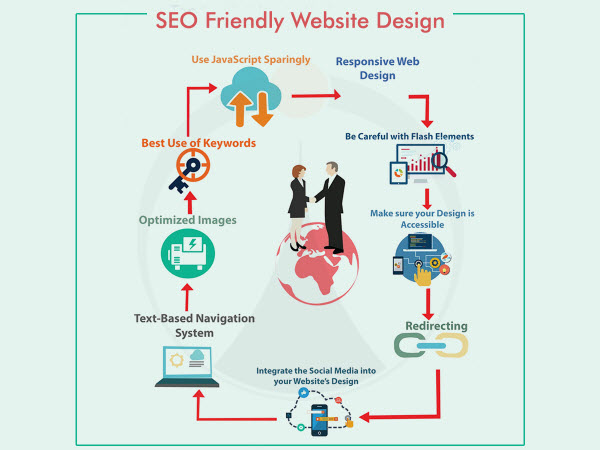
Web design plays a crucial role in determining how fast your website loads. A well-structured and optimized design can lead to faster loading times, which is a positive ranking factor for search engines like Google. Slow-loading websites often rank lower. - Mobile Friendliness:
Responsive web design, which ensures your site adapts to various screen sizes and devices, is a critical aspect of SEO. Google gives preference to mobile-friendly websites in its rankings since mobile usage is widespread. - User Experience (UX):
A good web design focuses on user experience, which includes easy navigation, clear call-to-action buttons, and an intuitive layout. When users have a positive experience on your site, they are more likely to stay longer, engage with your content, and reduce bounce rates – all of which can positively impact your SEO rankings. - Content Presentation:
Web design affects how your content is presented. Proper headings, clear fonts, and well-organized content make it easier for search engine bots to crawl and index your pages. This can improve your SEO by ensuring that search engines can understand and rank your content effectively. - Structured Data Markup:
Effective web design can incorporate structured data markup, which helps search engines better understand the content on your site. This can result in rich snippets and enhanced search results, potentially increasing click-through rates. - Internal Linking:
A well-designed website can facilitate effective internal linking, allowing you to connect related content. Internal links improve the user experience and help search engines discover and index more of your pages. - Image Optimization:
Proper image optimization within the design, such as using descriptive alt tags and compressing images for faster loading, can positively impact SEO, especially in image search results. - Security: Secure website design (e.g., implementing HTTPS) is an SEO ranking factor. Search engines give preference to secure websites in order to safeguard user data and privacy.
In summary, web design directly influences several aspects of SEO, from technical factors like site speed and mobile-friendliness to user experience and content presentation. A well-optimized website design can contribute significantly to improved search engine rankings and overall online visibility.


1