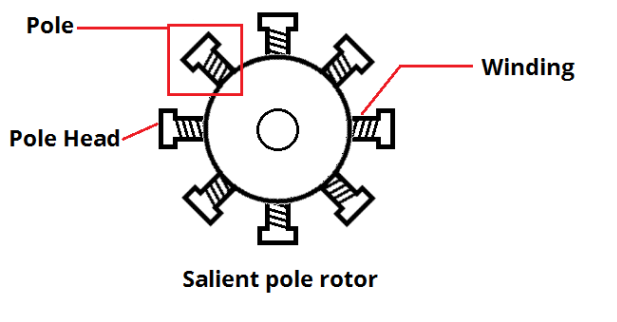
Motor winding calculation depends on several factors like horsepower, voltage, RPM, number of poles, wire gauge, slots, and motor type. Electricians and motor rewinding professionals usually calculate turns and wire thickness based on the motor’s specifications and load requirements. Small mistakes in winding calculations can affect performance, heating, and efficiency. That is why most people either use winding charts or specialized formulas for accurate calculations. Beginners often find motor winding confusing because practical experience matters a lot along with theory. Honestly, if someone is learning motor rewinding, working with experienced technicians usually helps more than only reading formulas online.
Aanya Sharma is a science and technology writer with over 5 years of experience and 300+ published articles across leading digital platforms. She holds a Bachelor's degree in Science (Physics) from Delhi University, which grounds her writing in scientific literacy and gives her the ability to evaluate technical claims with accuracy. Her work has appeared on platforms including The Wire Science, Analytics India Magazine, and Digit.in, where she has covered artificial intelligence, space exploration, consumer technology, environmental science, and emerging tech policy. With a focus on accuracy and clarity, her writing makes complex scientific and technological developments accessible to readers without a technical background. Aanya has participated in science communication panels at events including the India Science Festival and has been recognised as a contributor to responsible tech journalism in India. She is an active member of the National Association of Science Writers (NASW) and maintains a public portfolio of her published work. Across all her work, her writing is grounded in verified sources and a commitment to editorial standards — delivering content that readers can rely on in a space where misinformation spreads easily.