
You can’t permanently decrease or “close” pores because their size is partly determined by heredity and skin structure. You can keep them unclogged and less apparent by regulating excess oil, preventing your skin from sun damage and utilizing chemicals like salicylic acid or retinoids.
Why the difference matters: Many skincare products promise to erase pores altogether. That’s not feasible. According to Cleveland Clinic, clogged pores with oil and dead skin cells can appear larger.
I would personally focus on making general texture better rather than seeking “poreless skin.” This typically leads to a much more realistic result.
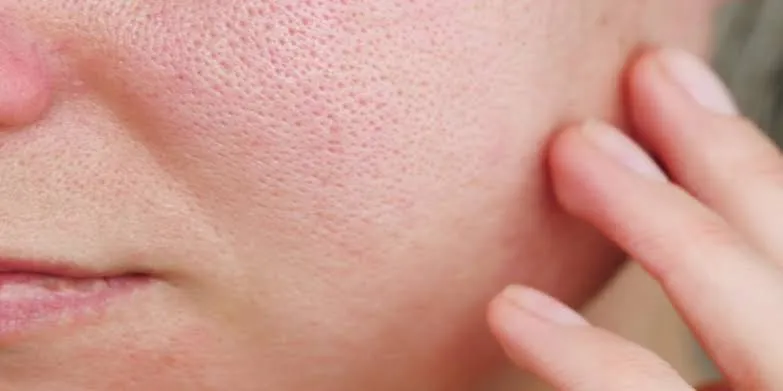
Why Your Pores Are Big
Some people just have more visible pores. Genetics play a part, but oil production, blocked pores, acne and alterations in the firmness of the skin can make them more noticeable.
The look and feel of skin can also change over time due to sun damage, which is another reason why sunscreen is important, aside from avoiding a tan or sunburn.
What causes pores to be visible? | What might help? |
|---|---|
Excess oil | Salicylic acid |
Clogged pores | Gentle cleansing and exfoliation |
Uneven texture | Retinoids |
Sun damage | Daily SPF 30+ |
Acne | Appropriate acne treatment |
Skin Care Routine
You actually don’t need a 10-step process.
In the morning, cleanse your face with a gentle cleanser, apply a non-comedogenic moisturizer if needed, then apply a broad-spectrum sunscreen with SPF 30 or higher. AAD suggests washing your face no more than twice a day and after sweating, not several times a day.
In the evening, cleanse again and apply your choice of treatment, followed by a moisturizer.
What people seem to overlook is consistency. If you haven’t seen an immediate difference, you may be tempted to change your routine every few days, but this might irritate your skin and not provide the products enough time to work.
Active Ingredients
Salicylic acid helps when oil and dead skin are clogging pores. It helps clear up pores and can prevent new blockages from forming.
Retinol and other retinoids can also help improve the appearance of enlarged pores by helping to increase skin-cell turnover and helping to prevent clogged pores.
If you’re new to active ingredients, your best bet is to start out slow. Combining salicylic acid, retinol, powerful exfoliating acids and other actives is not necessarily superior. It can just leave your skin inflamed.
Retinoids can also enhance UV sensitivity; therefore, it’s especially crucial to use sun protection throughout the daytime.
Mistakes to Avoid
Don’t bother:
Aggressively squeezing or removing pores
Scrubbing your face roughly
Washing your face frequently to eliminate grease
Going to bed with makeup on
Using pore-clogging cosmetics or skin care
Starting many strong active ingredients at once
Avoiding sunscreen use
If you have oily or acne-prone skin, search for products branded “non-comedogenic” or “won’t clog pores.”
Professional Treatment
If enlarged pores or rough texture still annoys you after a consistent program, a dermatologist can evaluate your skin properly.
Depending on the problem, a professional may offer options such as chemical peels, prescription retinoids or other dermatology procedures. The right therapy depends on what your major concern is, whether it is oiliness, acne, scars, sun damage or texture.
I wouldn't dive into an expensive operation without that distinction being evident.
Frequently Asked Questions (FAQs)
1. Will the pores ever close forever?
No. Pores can't open and close like doors. They can't be removed; however, they can be made to look less noticeable using skincare.
2. Does ice close the pores?
While ice can temporarily tighten the skin, it doesn’t impact the size of your pores in the long run.
3. Salicylic Acid to Help With Large Pores?
This can be helpful if your pores appear enlarged due to oil and dead skin cells clogging them.
4. Does retinol reduce pores?
Retinol can assist to minimize the look of enlarged pores by speeding up cell turnover and helping to prevent congestion.
Must Read: How do I Get Rid of Oily Skin?
