Avocado has a mild, creamy, buttery taste with a smooth texture rather than a strong fruity flavor. Unlike sweet fruits such as mangoes or bananas, avocado is subtle and slightly nutty, which is why it pairs well with both savory and sweet dishes. If you're expecting a juicy, sugary fruit, avocado may surprise you because its appeal comes more from its rich texture than its taste.
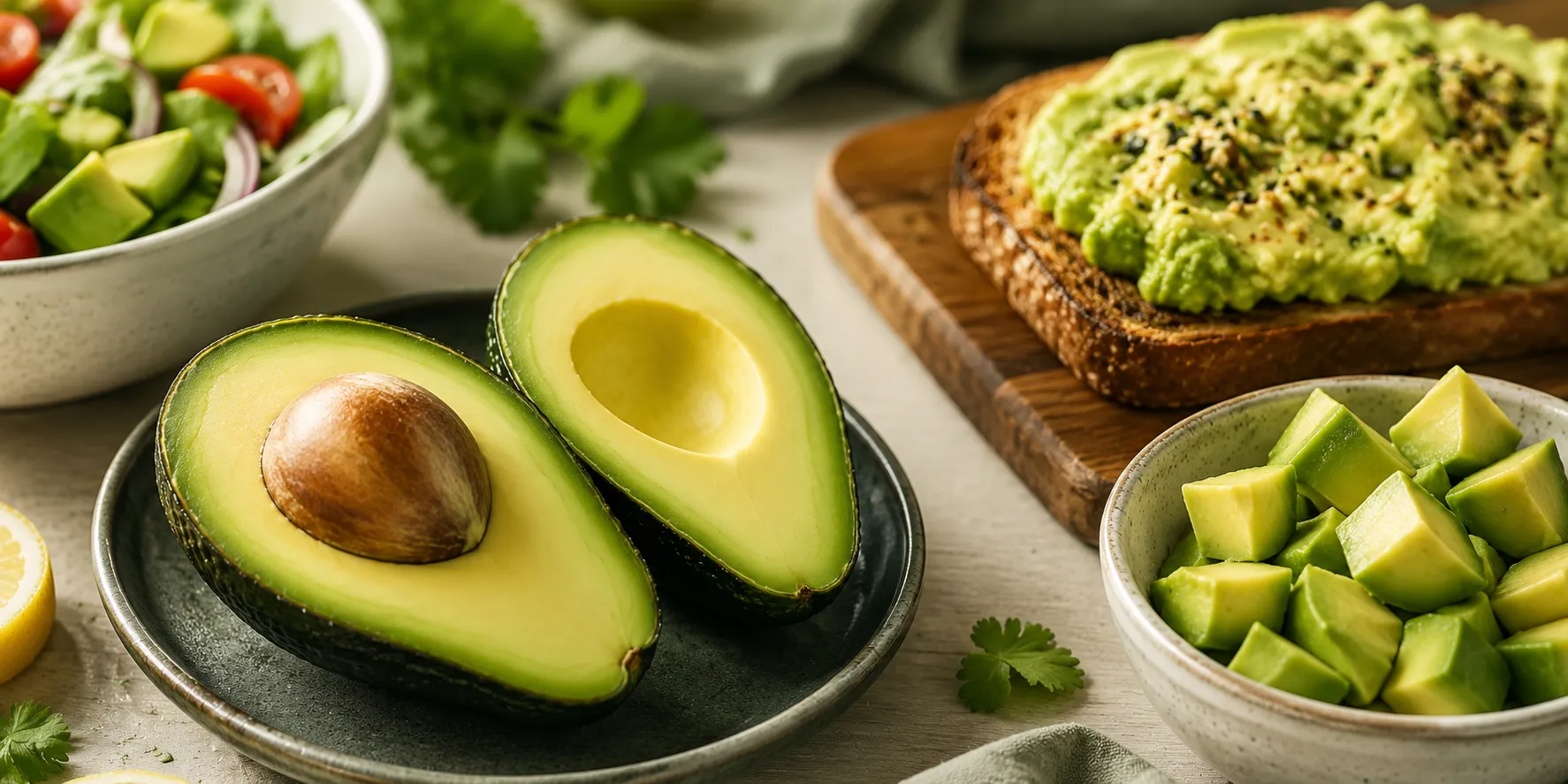
The first time I tried avocado, I understood why people have such different opinions about it. Some instantly love its creamy consistency, while others find it too plain. As a food lover would often say, avocado isn't meant to overpower a dish; it's meant to add richness, balance flavors, and improve the nutritional quality of a meal.
Detailed Flavor Profile
Avocado has a unique flavor that's difficult to compare with most fruits.
Its taste is generally described as:
-
Mild and delicate.
-
Buttery.
-
Creamy.
-
Slightly nutty.
-
Earthy.
-
Fresh with a subtle grassy note.
One thing many people don't realize is that avocado contains very little natural sugar, which is why it doesn't taste as sweet as most fruits. Instead, its high content of healthy fats gives it a rich mouthfeel that makes meals more satisfying.
The flavor also changes slightly as the fruit ripens.
-
Unripe avocado: Firmer, less creamy, and slightly bitter.
-
Perfectly ripe avocado: Soft, buttery, and smooth.
-
Overripe avocado: Mushy with a stronger, sometimes unpleasant flavor.
What Is the Texture Like?
If I had to describe avocado in one word, it would be creamy.
Its texture is often compared to:
-
Soft butter.
-
Thick cream cheese.
-
Smooth mashed potatoes.
-
Silky hummus.
This creamy consistency is one reason avocado is commonly used as a spread instead of butter or mayonnaise.
Unlike most fruits, it contains very little juice, making it feel rich rather than refreshing.
What Foods Does It Taste Similar To?
Since avocado has such a unique flavor, people often ask what it's closest to.
Although there's no perfect comparison, many describe it as a combination of:
| Food | Similarity |
|---|---|
| Butter | Creamy mouthfeel |
| Cream Cheese | Rich and smooth texture |
| Hummus | Mild, earthy flavor |
| Mashed Potato | Soft consistency |
| Unsalted Nuts | Slight nutty undertone |
The texture usually makes a bigger impression than the flavor itself.
What Affects the Taste of an Avocado?
Not all avocados taste exactly the same.
Several factors influence their flavor.
Variety
The Hass avocado, the most common variety worldwide, tends to have a richer, creamier taste than many larger green-skinned varieties.
Ripeness
This is probably the biggest factor.
A perfectly ripe avocado feels slightly soft when gently pressed and delivers the best flavor and texture.
Growing Conditions
Climate, soil quality, and harvest timing all affect the oil content of the fruit, which influences how rich and buttery it tastes.
Storage
Refrigerating an unripe avocado can slow ripening, while leaving it too long after ripening may result in a mushy texture and dull flavor.
Common Ways to Eat Avocado
Because its flavor is mild, avocado works well in many recipes.
Some popular ways to enjoy it include:
-
Mashed on whole-grain toast.
-
In salads.
-
As guacamole.
-
Added to sandwiches and wraps.
-
Blended into smoothies.
-
Mixed into sushi rolls.
-
Served with eggs.
-
Added to grain bowls.
One nutrition tip that's often overlooked is that the healthy fats in avocado can help your body absorb fat-soluble vitamins (A, D, E, and K) from vegetables more effectively. That's one reason dietitians often recommend pairing avocado with salads rather than eating vegetables alone.
Nutritional Benefits
Avocado is often called a nutrient-dense fruit, and for good reason.
It provides:
-
Heart-healthy monounsaturated fats.
-
Dietary fiber.
-
Potassium.
-
Folate.
-
Vitamin K.
-
Vitamin E.
-
Vitamin C.
-
Magnesium.
Unlike many processed foods that are high in fat, avocado is naturally rich in unsaturated fats, which are associated with supporting heart health when consumed as part of a balanced diet.
Its combination of healthy fats and fiber also helps promote satiety, meaning you may feel full for longer after eating it.
Avocado at a Glance
| Feature | Description |
|---|---|
| Taste | Mild, buttery, slightly nutty |
| Texture | Creamy and smooth |
| Sweetness | Very low |
| Best When | Fully ripe |
| Pairs Well With | Toast, salads, eggs, smoothies, guacamole |
Avocado doesn't taste like a typical fruit, and that's exactly what makes it unique. Its mild, buttery flavor and creamy texture allow it to complement a wide variety of foods without overpowering them. While some people need a few tries to appreciate its subtle taste, many eventually enjoy it for both its versatility and impressive nutritional profile. If you're trying avocado for the first time, eating it when it's perfectly ripe and pairing it with a little lemon, salt, or your favorite seasoning often provides the best experience.
Frequently Asked Questions (FAQs)
1. Is avocado sweet or savory?
Avocado has a mild, mostly savory flavor with very little natural sweetness.
2. Why do some people dislike the taste of avocado?
Many first-time eaters expect a sweet fruit. Since avocado has a subtle flavor and creamy texture instead, it can take a few tries to appreciate.
3. Does avocado taste like butter?
Not exactly, but its creamy, buttery texture is one of the closest comparisons people make.
4. How do I know if an avocado will taste good?
A ripe avocado should feel slightly soft when gently pressed without being mushy. This usually indicates the best flavor and texture.
5. Is avocado healthy to eat every day?
For most healthy adults, avocado can be part of a balanced daily diet because it provides healthy fats, fiber, vitamins, and minerals. However, portion size should still fit your overall calorie needs.
Must Read: How to Grow an Avocado Tree From a Pit?
 Answered by