
The best way to deal with acne is usually much less dramatic than social media makes it look: figure out what type of acne you have, keep your skincare simple, use one or two evidence-backed acne ingredients consistently, and give them enough time to work.
Acne develops when pores become clogged with oil and dead skin cells, with bacteria and inflammation also playing a role. It can show up as blackheads, whiteheads, pimples, or deeper painful nodules and cysts.
From my perspective, one of the biggest mistakes is getting frustrated and trying five new products together. Acne treatment is already irritating for some skin. Constant experimenting can make it impossible to tell what's helping and what's making things worse.
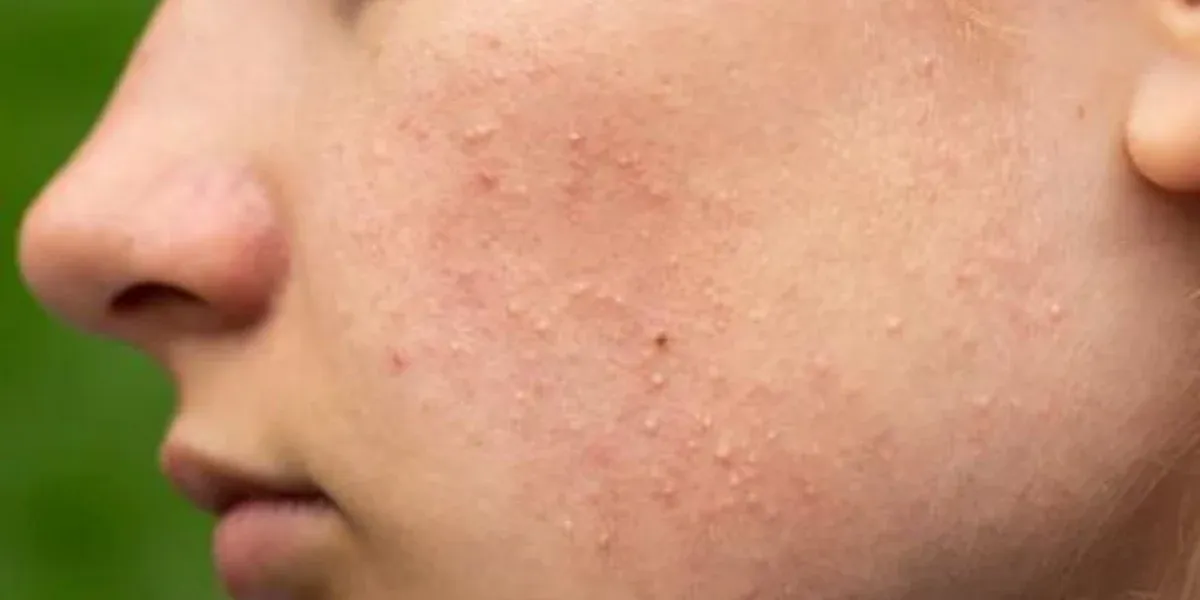
Identify Acne Type
Before buying another "acne miracle" serum, look at what you're actually dealing with.
Acne type | What it generally looks like |
|---|---|
Whiteheads | Small closed, skin-coloured/white bumps |
Blackheads | Open clogged pores |
Papules | Small red, inflamed bumps |
Pustules | Pimples containing pus |
Nodules/cysts | Deep, painful lumps |
Blackheads and whiteheads often respond to pore-unclogging treatments, while deep nodules or cysts are much more likely to need a dermatologist.
Daily Skincare Routine
Honestly, acne-prone skin doesn't need a 10-step routine.
Morning can be as simple as:
Gentle cleanser → Acne treatment if appropriate → Non-comedogenic moisturizer → Broad-spectrum SPF 30+ sunscreen
At night:
Gentle cleanser → Treatment → Moisturizer
The American Academy of Dermatology recommends gently washing acne-prone skin up to twice daily and after sweating rather than constantly scrubbing it.
And yes, moisturiser still matters even if your skin is oily.
Effective Ingredients
This is where I'd spend money instead of chasing whatever ingredient is trending this month.
Benzoyl peroxide is particularly useful for inflammatory pimples. Salicylic acid helps unclog pores and can work well for blackheads and whiteheads. Retinoids such as adapalene help unclog pores and prevent new breakouts, while azelaic acid can help acne and the dark marks left afterwards.
Don't throw all four onto your face tomorrow night. Start sensibly and follow product or dermatologist instructions.
Also, acne treatment isn't instant. AAD says it can take around 6 to 8 weeks before you start seeing fewer breakouts.
Helpful Habits
A few boring habits genuinely matter:
Stop picking and squeezing pimples.
Choose products labelled non-comedogenic or "won't clog pores."
Remove makeup before sleeping.
Wash after heavy sweating.
Keep oily hair products away from acne-prone facial skin.
Give a treatment time before switching again.
I especially wouldn't pop deep pimples. It feels satisfying for ten seconds and can leave inflammation, infection, or a mark you're dealing with for months. AAD also warns that picking can worsen acne and increase scarring risk.
When to See a Dermatologist
I'd stop experimenting at home if acne is deep, painful, cystic, leaving scars, suddenly worsening, or affecting you emotionally.
You should also get medical advice if consistent over-the-counter treatment hasn't helped. Prescription options can include stronger topical medicines, oral antibiotics, hormonal treatments for appropriate patients, and isotretinoin for severe or treatment-resistant acne.
Frequently Asked Questions (FAQs)
1. Can acne disappear on its own?
Some acne improves over time, but persistent or severe acne may need treatment, especially when there's a risk of scarring.
2. Should I scrub acne to clean my pores?
No. Blackheads aren't trapped dirt, and aggressive scrubbing can irritate already inflamed skin.
3. Can toothpaste remove pimples?
I wouldn't use it. Dermatologists recommend actual acne ingredients such as adapalene, benzoyl peroxide, or salicylic acid instead.
Must Read: How many things can a person do to prevent pimples and other forms of acne?
 Answered by