
A diagnosis of pulmonary fibrosis (PF) does not mean everyone has the same life expectancy. The condition is serious and progressive, but the outlook varies widely from person to person. For the most common form, idiopathic pulmonary fibrosis (IPF), older studies reported an average survival of 3–5 years after diagnosis. However, these numbers were calculated before many of today's treatments became available. With earlier diagnosis, antifibrotic medications, pulmonary rehabilitation, oxygen therapy, and better supportive care, many people are living longer and maintaining a better quality of life than those historical averages suggest.
One thing that's important to understand is that life expectancy statistics describe large groups of patients, not individuals. Two people diagnosed on the same day can have very different journeys. Some experience slow disease progression over many years, while others decline more rapidly. That is why pulmonologists focus more on how the disease behaves in each patient than on a single survival number.
About Pulmonary Fibrosis
Pulmonary fibrosis is a chronic lung disease in which scar tissue develops inside the lungs.
As the scarring increases:
- The lungs become stiffer.
- Breathing becomes more difficult.
- Oxygen has a harder time reaching the bloodstream.
Common symptoms include:
- Shortness of breath
- Persistent dry cough
- Fatigue
- Reduced exercise tolerance
- Unexplained weight loss
- Clubbing of the fingers in some patients
Unfortunately, lung scarring is usually permanent. Current treatments cannot remove existing scar tissue, but they can often slow further damage.
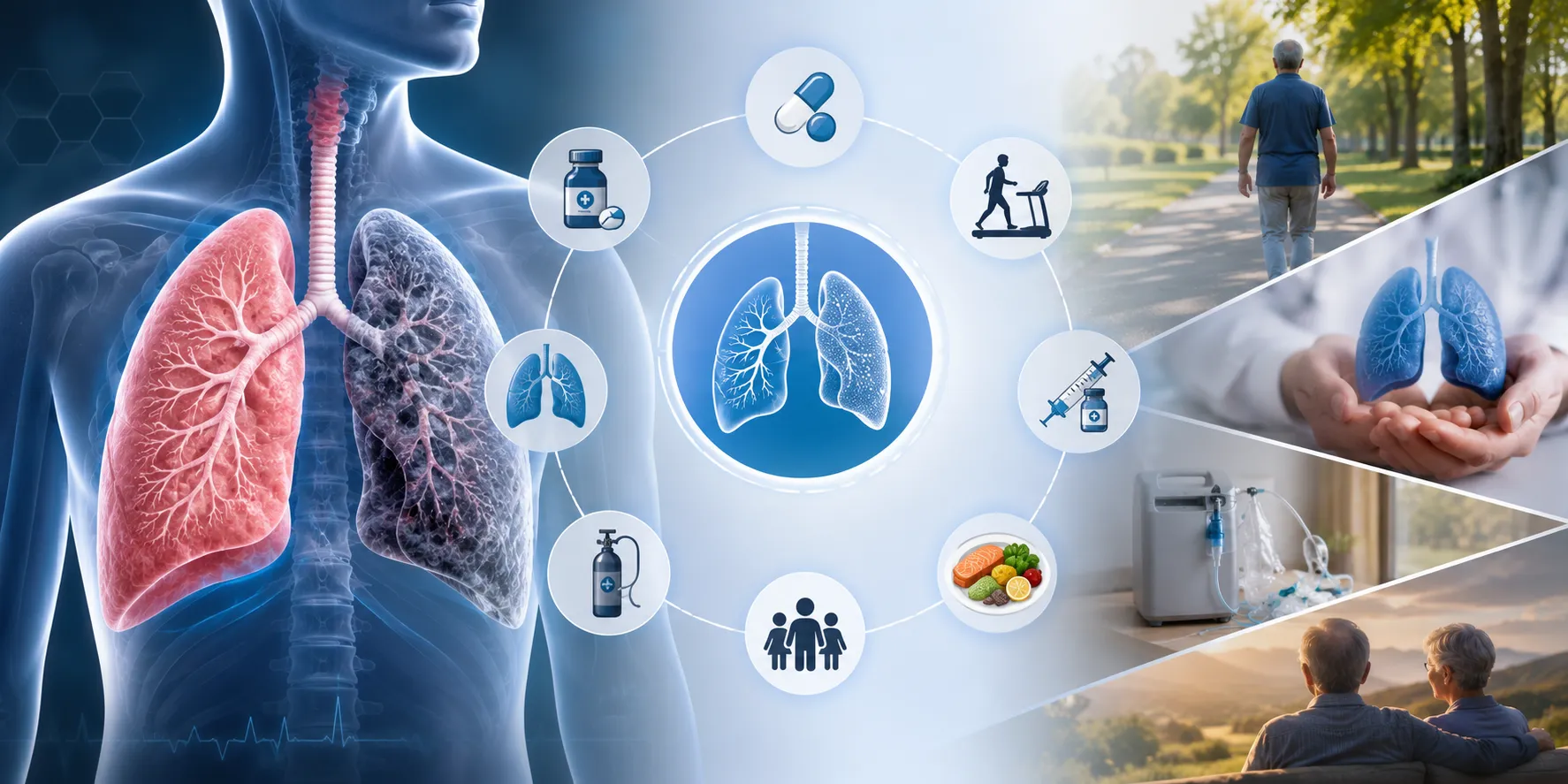
Factors That Affect Life Expectancy
No doctor can accurately predict exactly how long someone with pulmonary fibrosis will live because several factors influence prognosis.
1. Type of Pulmonary Fibrosis
Not all pulmonary fibrosis is the same.
Examples include:
- Idiopathic Pulmonary Fibrosis (IPF)
- Autoimmune-related pulmonary fibrosis
- Occupational or environmental pulmonary fibrosis
- Drug-induced pulmonary fibrosis
People with pulmonary fibrosis related to autoimmune diseases often have a better outlook than those with idiopathic pulmonary fibrosis.
2. Stage at Diagnosis
Earlier diagnosis generally leads to better outcomes.
Patients diagnosed before extensive lung scarring develops usually have more treatment options and a greater chance of slowing disease progression.
3. Age and Overall Health
General health often matters more than age alone.
People who:
- Stay physically active
- Avoid smoking
- Maintain good nutrition
- Manage other medical conditions
often tolerate the disease better than those with multiple health problems.
4. Response to Treatment
Some patients respond very well to antifibrotic medications such as pirfenidone and nintedanib, while others experience faster progression despite treatment. Early and consistent management can make a meaningful difference.
5. Acute Exacerbations
One of the biggest challenges with pulmonary fibrosis is that the disease isn't always predictable.
Some people remain stable for years.
Others experience sudden worsening episodes, called acute exacerbations, which can significantly affect prognosis.
Treatment & Disease Management
Although pulmonary fibrosis cannot currently be cured, modern treatment focuses on slowing disease progression, relieving symptoms, and helping people stay active.
Treatment may include:
Antifibrotic Medications
Medicines such as:
- Pirfenidone
- Nintedanib
can slow the rate of lung scarring in many patients.
Pulmonary Rehabilitation
Pulmonary rehabilitation combines:
- Supervised exercise
- Breathing techniques
- Education
- Energy conservation strategies
Many patients report better stamina and improved daily functioning after completing these programs.
Oxygen Therapy
When oxygen levels fall, supplemental oxygen can:
- Reduce breathlessness
- Improve physical activity
- Protect organs from low oxygen levels
Vaccinations
Respiratory infections can be especially dangerous.
Doctors often recommend staying current with:
- Influenza vaccines
- Pneumococcal vaccines
- COVID-19 vaccines
to reduce the risk of severe illness.
Lung Transplant
For selected patients with advanced disease, a lung transplant may significantly improve survival and quality of life, although eligibility depends on several medical factors.
Quality of Life
Pulmonary fibrosis affects much more than breathing.
Many people continue to enjoy meaningful lives by adapting their routines and working closely with their healthcare team.
Helpful habits include:
- Walking regularly within your limits
- Eating a balanced diet
- Conserving energy during daily activities
- Joining pulmonary rehabilitation
- Avoiding smoking and secondhand smoke
- Attending regular follow-up appointments
One encouraging change over the past decade is that patients are no longer told to simply "wait and see." There are now more treatment options, better rehabilitation programs, and stronger support networks than ever before.
Warning Signs That Need Immediate Medical Attention
Contact your healthcare provider promptly if you notice:
- Rapidly worsening shortness of breath
- Chest pain
- Blue lips or fingertips
- High fever with breathing problems
- Confusion
- Coughing up blood
- Oxygen levels dropping significantly
Early treatment of complications can prevent serious outcomes.
Common Misconceptions
"Everyone with pulmonary fibrosis lives only three years."
No.
The widely quoted 3–5 year figure is a historical average for idiopathic pulmonary fibrosis and does not predict an individual's lifespan. Many patients now live considerably longer thanks to earlier diagnosis and improved treatments.
"There is no treatment, so nothing can be done."
Incorrect.
Although there is no cure, several treatments can slow disease progression, relieve symptoms, and improve quality of life.
"Exercise makes pulmonary fibrosis worse."
Quite the opposite.
When recommended by a healthcare provider, pulmonary rehabilitation and appropriate physical activity often improve endurance, breathing efficiency, and overall well-being.
Pulmonary Fibrosis Prognosis at a Glance
| Factor | Effect on Prognosis |
|---|---|
| Type of PF | Different types progress at different rates |
| Stage at Diagnosis | Earlier diagnosis generally improves outlook |
| Treatment | Can slow disease progression |
| Overall Health | Better general health often supports better outcomes |
| Lifestyle | Smoking cessation, exercise, and nutrition matter |
Pulmonary fibrosis is a life-changing diagnosis, but it is not a one-size-fits-all disease. While older statistics often mention an average survival of three to five years for idiopathic pulmonary fibrosis, those numbers don't define every patient's future. Modern medications, earlier diagnosis, pulmonary rehabilitation, oxygen therapy, and improved supportive care have changed how the disease is managed. The most important focus after diagnosis isn't predicting an exact lifespan—it's slowing progression, preserving lung function, maintaining quality of life, and working closely with a specialist to receive the best possible care.
Frequently Asked Questions (FAQs)
1. What is the average life expectancy after a pulmonary fibrosis diagnosis?
For idiopathic pulmonary fibrosis, historical averages have been around 3–5 years, but many patients now live longer due to advances in treatment and earlier diagnosis.
2. Can someone live 10 years with pulmonary fibrosis?
Yes. Some people, particularly those with slower-progressing disease or a good response to treatment, live for 10 years or more after diagnosis.
3. Can pulmonary fibrosis be cured?
Currently, there is no cure. Treatment focuses on slowing disease progression, managing symptoms, and improving quality of life.
4. Does oxygen therapy increase life expectancy?
Oxygen therapy primarily relieves symptoms and helps maintain adequate oxygen levels. While it may improve quality of life, its effect on survival depends on the individual's overall condition and treatment plan.
5. What is the biggest factor affecting prognosis?
Disease type, severity at diagnosis, response to treatment, overall health, and whether complications develop all play major roles in determining prognosis.