
Answered on02/24/24
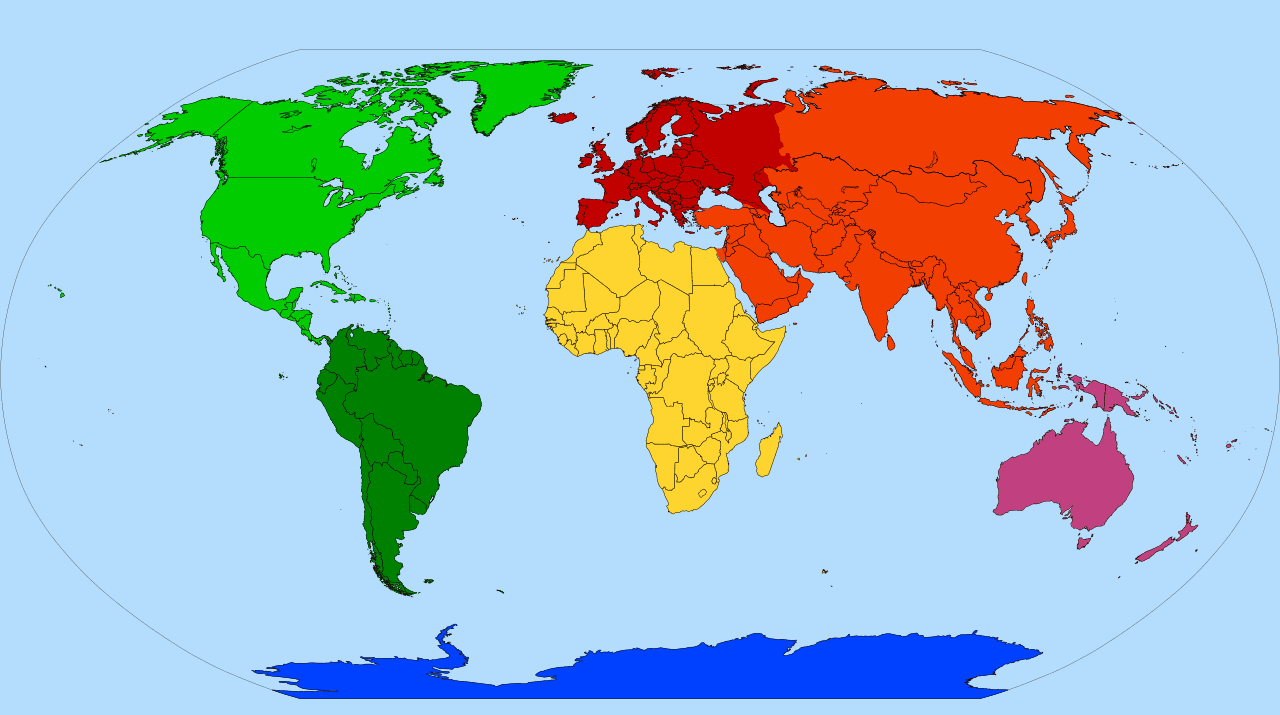
Continents are large landmasses on Earth, and there are seven main continents: Asia, Africa, North America, South America, Antarctica, Europe, and Australia· Each continent has unique characteristics and features.
Asia
- Size: Asia is the largest continent in both land area and population.
- Population: It is home to more than half of the world's population.
- Geography: Asia has diverse landscapes, from deserts to mountains to tropical rainforests.
- Cultural Significance: It is culturally rich with a long history of civilizations.
Africa
- Size: Africa is the second-largest continent.
- Population: It has a population of over 1 billion people.
- Geography: Africa is known for its diverse wildlife, vast deserts, and lush rainforests.
- Historical Significance: Often referred to as the "cradle of humankind" due to the discovery of ancient human fossils.
North America
- Countries: North America consists of 23 countries.
- Geography: Home to diverse landscapes including forests, deserts, and mountains.
- Population: Approximately 580 million people live in North America.
- Cultural Diversity: Known for its multicultural societies and rich indigenous heritage.

South America
- Population: About 430 million people reside in South America.
- Geography: Features the Amazon River and Rainforest, as well as the Andes Mountains.
- Colonial History: Spanish and Portuguese colonization has influenced the region's culture and languages.
Antarctica
- Size: Antarctica is the smallest continent by population.
- Climate: Covered mostly by ice, it holds about 60% - 70% of the world's freshwater supply.
- Research Stations: Primarily used for scientific research with no permanent settlements.
Europe
- Countries: Europe comprises 46 countries with diverse cultures and languages.
- Geography: Known for its historic cities, diverse landscapes, and major rivers like the Danube and Rhine.
- Economic Powerhouse: Considered one of the wealthiest continents globally.
Australia
- Population: Approximately 43 million people live in Australia/Oceania.
- Geography: Home to unique wildlife like kangaroos and koalas.
- Cultural Diversity: Comprises various islands in the Pacific Ocean with distinct cultures.
In conclusion, each continent offers a unique blend of geography, culture, history, and biodiversity· Understanding these distinctions helps us appreciate the diversity and richness of our planet's landmasses.
5
.jpeg)