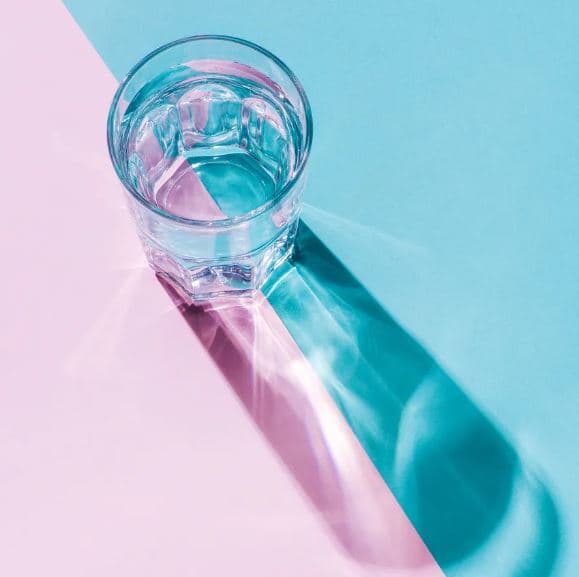
For most healthy adults, 6–8 glasses or cups of fluid per day is a useful starting point, roughly 1.5–2 litres depending on the size of your glass. But there is no universal “8 glasses exactly” rule. Your needs change with weather, exercise, body size, pregnancy, illness and diet. The NHS recommends using 6–8 glasses as a general guide and drinking enough that your urine is a clear, pale yellow.
Personally, I find it more practical to spread water throughout the day instead of suddenly remembering at night that I haven't drunk enough and then trying to finish several glasses together. Hydration works better as a routine than another number to chase.

Glasses-to-Litres Guide
“Glass” isn't a standard measurement, so the amount changes with glass size.
Number of glasses | If each glass is 250 ml |
|---|---|
4 glasses | 1 litre |
6 glasses | 1.5 litres |
8 glasses | 2 litres |
10 glasses | 2.5 litres |
Another widely used reference comes from the US National Academies: adequate total water intake is about 2.7 litres daily for adult women and 3.7 litres for adult men. Importantly, this includes water from both food and beverages, not just plain drinking water.
Factors Affecting Requirements
You may need more fluid when you:
Exercise or sweat heavily → Spend time in hot weather → Are pregnant or breastfeeding → Have a fever → Experience vomiting or diarrhoea → Do physically demanding work.
The NHS specifically notes that pregnancy, breastfeeding, prolonged physical activity, illness and hot environments can increase fluid requirements.
This is why someone sitting in an air-conditioned office and someone exercising outdoors in Indian summer shouldn't blindly follow the same water target.
What Counts as Fluid?
It doesn't all have to come from plain water.
Water, milk, tea, coffee and sugar-free drinks can contribute to daily fluid intake. Foods also provide water, particularly fruits, vegetables, soups and similar foods.
I still prefer making plain water my default because it's simple, calorie-free and doesn't require much thought.
Hydration Signs
One of the easiest everyday checks is urine colour.
Pale yellow urine generally suggests you're adequately hydrated. Dark yellow, strong-smelling urine; thirst; dry mouth; tiredness; dizziness; and urinating less frequently can indicate dehydration.
Personally, I'd pay attention to these body signals rather than obsessing over whether today's total was exactly eight glasses.
Too Much Water
More water isn't automatically healthier.
Drinking excessive amounts very quickly can dilute sodium levels in the blood, causing a potentially dangerous condition called hyponatraemia. So forcing yourself to drink huge quantities when you aren't thirsty isn't a health hack.
People with kidney, heart or certain other medical conditions may also be given specific fluid limits, so generic hydration advice may not apply to them.
FAQs
Is 8 glasses of water enough?
For many people, 6–8 glasses of fluid is a reasonable general guide, but individual requirements vary.
Is 2 litres of water a day necessary?
Not necessarily as plain water. Your overall hydration also comes from other beverages and food.
Do tea and coffee count?
Yes. Tea and coffee contribute towards fluid intake.
Must Read: What happens when you drink 2 liters of water every day?