Rice looks simple until you try cooking it for the first time.
Too much water, and it turns sticky.
Too little, and you end up chewing half-cooked grains.
That's why I'd never start by guessing.
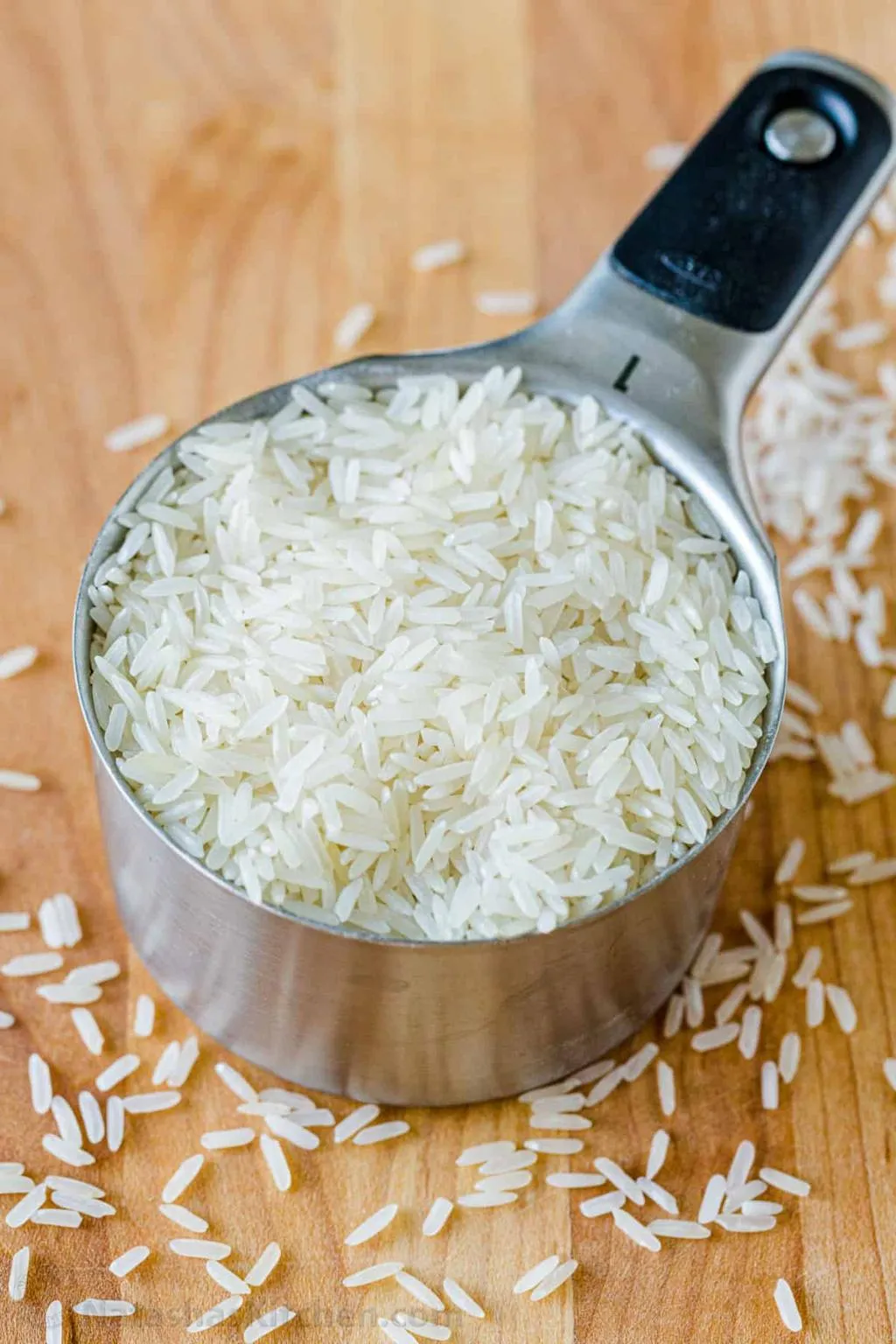
Measure the rice first. A standard cup makes the rest of the process much easier because every water ratio depends on how much rice you're cooking.
Think of this step as laying the foundation. If the measurement is off, fixing it later becomes much harder.
Rinse
I used to think rinsing rice was optional.
Then I cooked it both ways.
The difference was obvious.
Rinsing removes excess surface starch, which helps the grains stay more separate after cooking. Just wash the rice under clean water until it looks mostly clear instead of cloudy.
Don't worry about making the water perfectly transparent. You're simply trying to remove the extra starch, not scrub the rice clean.
Add Water
This is where most cooking mistakes happen.
People often ask, "Exactly how much water should I add?"
The honest answer is... it depends.
Different types of rice absorb different amounts of water.
As a general guide:
White rice: about 2 cups of water for 1 cup of rice
Basmati rice: about 1½ to 1¾ cups of water for 1 cup of rice
Brown rice usually needs more water and a longer cooking time.
If your rice packet has cooking instructions, I'd trust those over a generic ratio because every variety behaves a little differently.
Simmer Covered
Once the water starts boiling, reduce the heat and cover the pot.
This is probably the hardest part because you'll feel tempted to lift the lid every few minutes.
I'd resist that temptation.
Every time you open the lid, steam escapes, and that's exactly what the rice needs to cook evenly.
Sometimes the best thing you can do while cooking rice is... leave it alone.
Rest
Here's a step that many beginners skip.
Once the rice is cooked, turn off the heat but don't serve it immediately.
Let it sit, covered, for about 5–10 minutes.
It might not seem important, but this short resting time allows the remaining moisture to spread evenly through the rice. The result is usually fluffier grains instead of rice that's wet on the bottom and dry on top.
Fluff
Now pick up a fork or a rice paddle instead of a spoon.
Gently fluff the rice to separate the grains.
Stirring too aggressively can break soft grains and turn the rice mushy, especially if you're cooking basmati.
A light touch works much better than vigorous mixing.
Serve
Rice is one of those foods that quietly goes with almost everything.
Serve it with dal, curry, stir-fried vegetables, grilled paneer or whatever you're cooking.
If you've followed the earlier steps, you shouldn't need any tricks at this point. The rice should already be soft, separate and ready to eat.
FAQs
Why should I rinse rice before cooking?
Rinsing removes excess starch, which helps prevent the grains from becoming overly sticky.
How much water should I use for rice?
It depends on the variety. White rice often uses a 1:2 rice-to-water ratio, while basmati usually requires a little less water.
Why is my rice sticky?
Too much water, excessive starch or overcooking are some of the most common reasons.
Can I cook rice without rinsing it?
Yes, but rinsing generally produces fluffier, less sticky rice.
Why should I let rice rest after cooking?
Resting allows the moisture to redistribute, giving the rice a more even texture before serving.
Must Read: How to cook veg biryani in Hyderabadi style?

.jpeg&w=750&q=75)