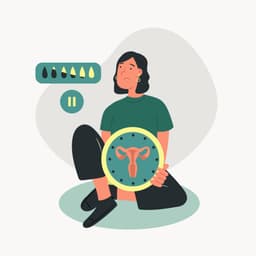
Polycystic Ovary Syndrome (PCOS) is a condition that affects many women. It can cause irregular periods, trouble getting pregnant, extra hair growth, pimples, and weight gain. It's important to talk to a doctor for advice that fits you.
Here are some general tips for handling PCOS:
1. Lifestyle Changes:
- Healthy Eating: Eat a balanced diet with lots of fruits, vegetables, lean proteins, and whole grains. Avoid too much processed food, sugary drinks, and lots of carbohydrates.
- Regular Exercise: Do regular physical activities. It helps with managing weight and making your body more sensitive to insulin.
2. Weight Management:
- Keeping a healthy weight is really important for managing PCOS. Even losing a bit of weight can help with symptoms and make your periods more regular.
3. Medications:
- Birth Control Pills: These can help regulate periods and lower hormone levels, which can improve things like pimples and extra hair growth.
- Metformin: This medicine can make your body better at using insulin, which is often a problem with PCOS. It can help make your periods more regular and improve fertility.
4. Fertility Treatments:
- If you want to have a baby, your doctor might suggest treatments like helping your body release eggs or using in-vitro fertilization (IVF).
5. Managing Insulin Levels:
- Low-Glycemic Diet: Eat foods that don't quickly raise your blood sugar. This helps control insulin and make it work better.
- Eat Regular Meals: Eat small, well-balanced meals all day long. This helps keep your blood sugar levels steady and stable.
6. Stress Management:
- Stress can make PCOS symptoms worse. Try relaxation things like yoga, meditation, or deep breathing to handle stress.
7. Regular Check-ups:
- See your doctor regularly to see how you're doing and adjust your plan if needed.
8. Natural Ways:
- Some women feel better using natural things like certain plants (like cinnamon) or acupuncture. But always talk to a doctor before trying any supplements.
9. Learning and Support:
- Learn more about PCOS and talk to groups or communities who can help. Knowing about your condition and sharing your experiences can make you feel stronger and more supported.
Remember, every person with PCOS is different. So it's really important to work closely with a doctor to make a plan that fits your own symptoms and worries.
Also Read :- Is segarian system is good for women?