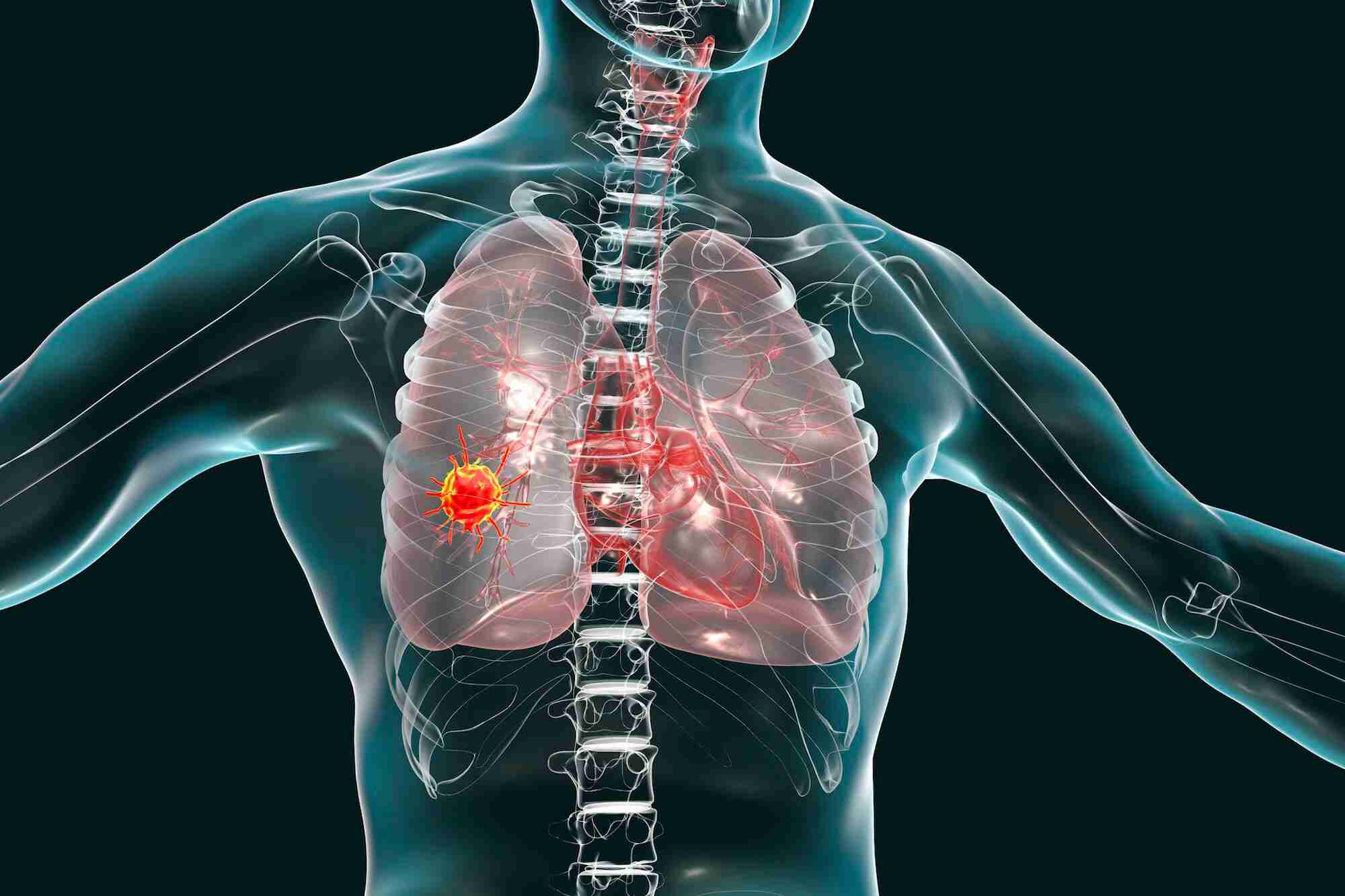
Millions of lives worldwide are taken by this terrible illness, lung cancer. However, there is a misconception about whether or not lung cancer is contagious. In the simplest terms, no, lung cancer isn’t a contagion in the traditional sense of the word. It’s not like contracting lung cancer from just standing near to someone with it in comparison to infectious diseases such as flu and COVID-19. Unlike colds or measles that can be spread through casual contact, literal exposure to carcinogens most commonly tobacco smoke among other factors including air pollution, radon gas and genetic predisposition may cause it.
The misconception that lung cancer could be contagious likely comes from an association between certain viruses (e.g., Epstein-Barr virus (EBV) and human papillomavirus (HPV)) and increased risk of specific cancers like lung cancer. However, even here the disease itself isn’t communicable. They instead increase chances for cellular changes over time that can lead to eventual development of cancer.However , though lung cancer itself is not contagious, some behaviors and environmental exposures connected with its development could indirectly affect other individuals. This happens in cases where nonsmokers are exposed to secondhand smoke from cigarettes hence increasing their chances of developing lung cancer. Furthermore, certain industries have been found to potentially expose workers to asbestos or radon thereby placing coworkers or family members at risk of coming into contact with contaminated materials or clothes.
To sum up, lung cancer is a complicated condition with diverse causes; yet, it is not communicable. It is crucial for prevention and early detection that we understand how smoking, environmental pollutants and genetic predisposition contribute to its development. Consequently debunking the notion that lung cancer can infect others enables us place our emphasis on promoting public health initiatives aimed at reducing exposure to known carcinogens while improving access to screening and treatment options for those.