Arockia Jesai
Arockia Jesai· 2 months ago
Author

Is SEO still worth learning in 2026?

🤗Grateful
3
55

Join this conversation

Sort By
Replying to the question above
Answered on09/30/26

Yes, I’d say SEO is still worth learning in 2026. The way SEO works is changing, especially with AI and search engines becoming better at understanding user intent, but people still use search to find information, products, and services.

If you're learning SEO today, I wouldn't focus only on old-school keyword stuffing or trying to rank for a single keyword. I'd focus more on:

  • Keyword research and understanding search intent

  • Creating genuinely useful content

  • Technical SEO and website performance

  • Local SEO for businesses targeting specific areas

  • Building authority through relevant links and mentions

  • Understanding how AI is changing search and content discovery

  • Using analytics to see whether SEO is actually bringing traffic and leads

SEO is also closely connected with broader digital marketing, so the skills can be useful beyond just Google rankings. It may take time to see results, but understanding how people search and how websites get discovered is still a valuable skill in 2026.

perfozi
Author
View Profile
0
Replying to the question above
Updated on08/06/26

Yes, SEO is still valuable learning in 2026 because it remains one of the most successful ways to help websites attract visitors without depending only on paid advertising. While SEO has changed, its main goal is still the same—helping people discover useful and relevant content. Today, search engines give more significance to high-quality content, user experience, website speed, and credibility rather than simply matching keywords.

To gain outstanding results in SEO, focus on understanding your audience, creating original and helpful content, and keeping your website technically optimized. Regularly update previous content, monitor your website's results, and stay informed about the latest search engine changes. Instead of looking for quick wins, be regular and build long-term trust with both users and search engines. That's what leads to sustainable rankings, steady traffic, and long-term growth.

Raj Express
सच कहने का साहस और सलीका
View Profile

Raj Express provides news categories such as india, world, politics, business, video, entertainment, play, lifestyle, crime express, and more. They also offer advertising services.

0
Replying to the question above
Answered on08/06/26

NO. Why i said no because agencies are looking for more now. You can use SEO field as a entry point. But as you get experience you observe you need experience in everything like Social media makreting, content writing, graphic designing and all ther aspects of digital marketing.

So my suggestion is start your career with SEO. but get the knowledge of other sectors also.

Rahi Khanna
Me hu Rahi Pyaar se Bhari
View Profile

I am an Student of MBA Finance. So i am playing with numbers, Graphs and sometimes with hearts.

0
Replying to the question above
Answered on08/06/26
Absolutely. The fundamentals of SEO are still very relevant in 2026, even though search has changed a lot with AI overviews and generative search. What I've found is that focusing on solving real user problems, improving technical performance (Core Web Vitals, crawlability, structured data), and building topical authority has a much bigger impact than chasing algorithm updates. AI can help with research and drafting, but it can't replace original experience or unique insights. Websites that consistently publish useful, trustworthy content and earn genuine mentions from their communities are still seeing long-term organic growth. The tools evolve, but understanding how search engines discover, understand, and rank content is still a valuable skill.
saad ahmed
Mern stack developer
View Profile

I’m a web developer and content writer interested in construction, technology, digital tools, and practical online resources. I enjoy sharing simple, useful guides that help readers understand complex topics.

0
Answered on10/09/26

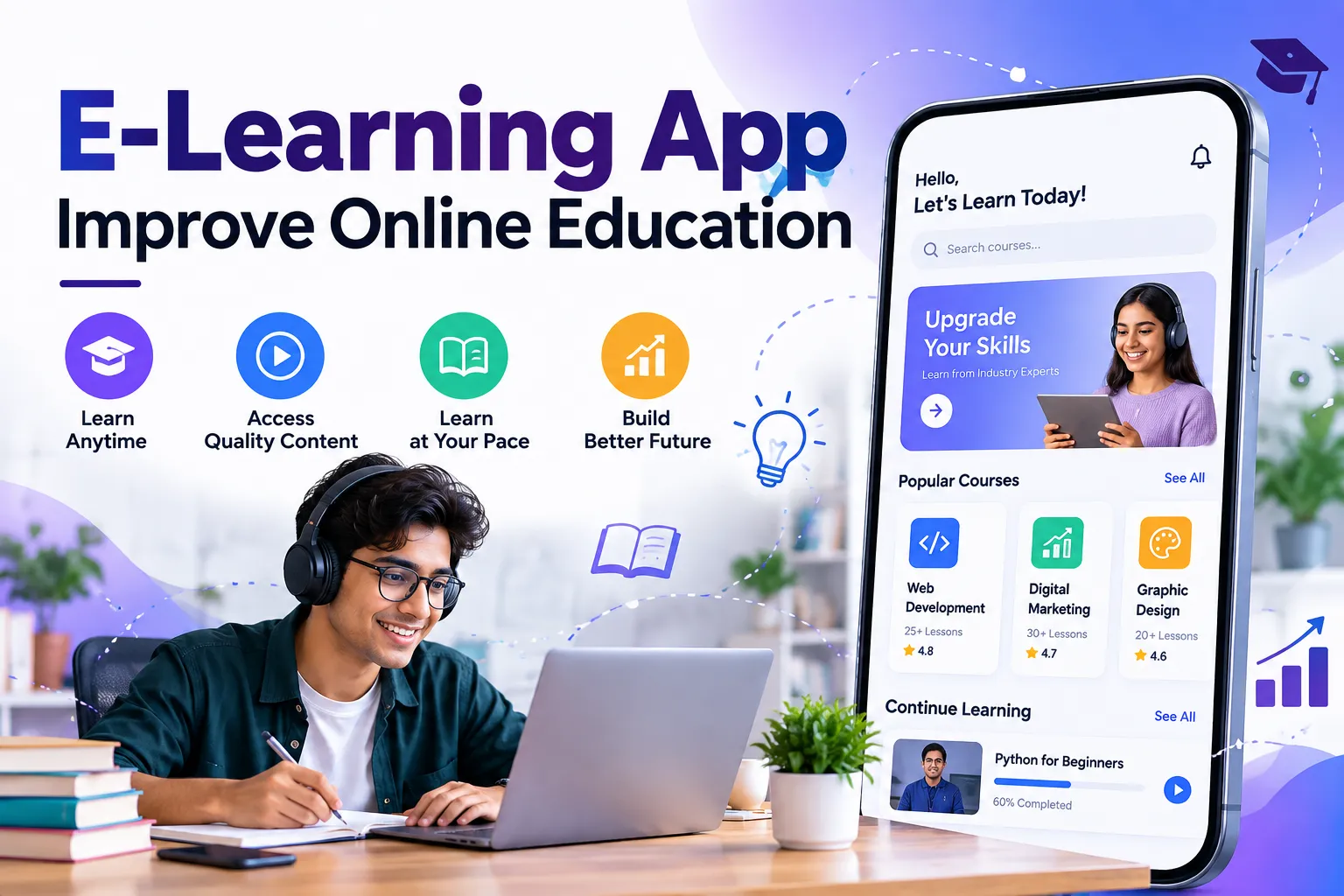
Building an e-learning app is a great idea, but the real question is: what makes students actually stick with it? Most people don’t quit because the content is bad. They quit because it feels lonely, confusing, or boring. So here’s what I’d focus on.
Article image

Make getting started effortless. Students should find a course and start learning in just a couple of taps. Add good search, clear categories, and a quick preview of what each course covers. A “continue where you left off” button on the home screen goes a long way. Also let people download lessons, because plenty of learners study while commuting or on shaky internet.

Offer both live and recorded classes. Not everyone can show up at a fixed time, so give them both options. Live classes shouldn’t feel like someone talking at a screen, so add chat, polls, and a way to ask questions on the spot. Record every session automatically and make it available soon after, with speed controls and a transcript. And keep lessons short, around 5 to 10 minutes per topic. Short videos are way easier to finish.

Use quizzes to help, not to scare. Quick quizzes after each lesson help students check if something actually sank in. The best part is instant feedback: don’t just show a score, explain why an answer was right or wrong. A “practice your weak areas” option that brings back missed questions is incredibly useful too.

Show them how far they’ve come. Progress bars, completed-lesson ticks, and simple weekly summaries make students feel like they’re getting somewhere. If you can, add a view for teachers or parents so they can notice when someone is falling behind.

Keep them motivated. This is where most apps slip. Streaks, badges, and completion certificates work well when used lightly. Leaderboards can be fun, but make them optional, since some students find them stressful. Send reminders that actually help, like a nudge before a streak breaks, but don’t spam, or people will mute you.

Don’t let students feel alone. Add discussion forums, study groups, and a way to ask doubts right under a lesson. Even quick mentor support makes a big difference.

Make it feel personal. Recommend courses based on what a student is aiming for and how they’re doing. Even simple personalization makes the app feel like it was built just for them.

Don’t skip the basics. A fast, clean, mobile-friendly design with captions, adjustable text size, and strong privacy is non-negotiable. The best features won’t matter if the app feels slow or cluttered.

My honest advice: don’t try to build everything on day one. Start with course access, live and recorded classes, quizzes, and progress tracking. Launch to a small group, listen to what they say, and then add the fun extras like gamification, community, and personalization.

If you make learning simple, interactive, and a little bit rewarding, your app won’t just deliver lessons. It’ll help students build a habit, and that’s what truly improves online education.


V
View Profile
0
0
Replying to the question above
Answered on08/01/26

When people ask if SEO is still worth learning in 2026, I usually smile because I remember hearing the same question years ago. Back then, people were saying SEO was dead. Today, they're saying AI has replaced it. Yet businesses are still investing heavily in SEO because people continue to search for products, services, and answers every day.

What has changed isn't the importance of SEO, but the way it works. You can no longer expect to rank just by repeating keywords or building random backlinks. Search engines are much better at understanding what users actually want. If your content genuinely answers a question and provides value, you have a much better chance of earning visibility.

AI has definitely changed the landscape, but it hasn't made SEO irrelevant. If anything, it has made good SEO more important. AI can help you research topics, organize ideas, and improve efficiency, but it still needs human knowledge, experience, and creativity to produce content that people trust.

SEO is also one of the few digital marketing skills that benefits almost everyone. Whether you want a job, plan to freelance, run an online business, or grow a local company, understanding how search works can give you a real advantage.

My advice is simple: don't learn outdated tricks. Learn modern SEO. Understand search intent, create helpful content, improve website performance, and stay updated with how search engines evolve.

So yes, SEO is absolutely worth learning in 2026. The opportunities are still there for people who focus on quality, consistency, and solving real problems instead of looking for shortcuts.

Raghav Chauhan
View Profile
0