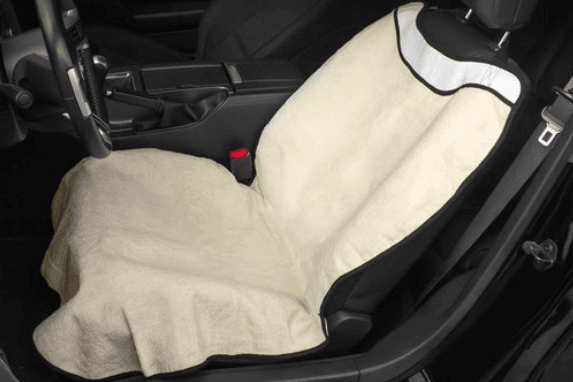
Auto Towel Seat Covers: A Game-Changer for Active Lifestyles

0
5.5K

Table of Contents

Auto Towel Seat Covers: A Game-Changer for Active Lifestyles


Introduction

Auto towel seat covers are a fantastic addition for anyone with an active lifestyle. Whether you're coming back from a sweaty gym session, a sandy beach outing, or an adventurous hike, these covers help keep your car seats clean and fresh.


Maintaining car seat hygiene is not just about keeping your vehicle looking nice; it’s also about health and comfort. For more insights on car seat hygiene, you can check out this guide by Consumer Reports offering a valuable guideline.


This article explores the importance and benefits of auto towel seat covers. We'll delve into what sets them apart from regular seat covers, dive into the various types and options available, and provide tips on choosing the right one for your needs. By the end of this article, you'll understand why these covers are worth considering.


What Are Auto Towel Seat Covers?

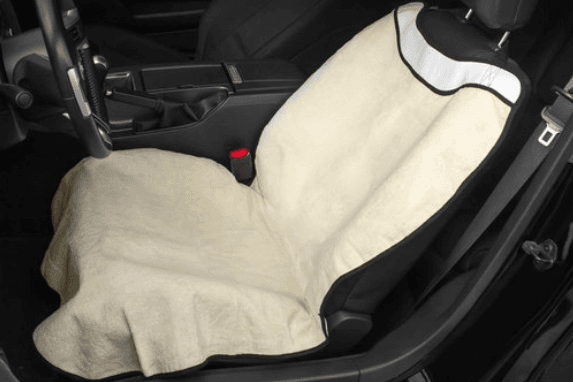
Auto towel seat covers are more than just protective layers for your car seats. Here’s what makes them stand out:

  • Quick-Dry Feature: Unlike typical seat covers, many towel car seat covers are designed to dry quickly. This feature is crucial after workouts or beach trips, as it helps you avoid dampness that can lead to smells and discomfort. Check out this discussion posted on Quora to understand why this matters.

  • Water Resistance: These covers often have water-resistant properties, offering an added layer of protection against spills or sweat seeping into your car seats.

  • Ease of Use: You can easily throw them in the wash, making maintenance a breeze. This is a significant advantage over more permanent seat covers that require professional cleaning.

In summary, auto towel seat covers are a practical solution for those who lead active lives, ensuring that post-activity messes don't affect your vehicle. From quick-drying abilities to water resistance, they offer unique features that elevate their functionality beyond ordinary car seat covers.
 

Auto Towel Seat Covers: A Game-Changer for Active Lifestyles


Benefits for Active Lifestyles

For those with an active lifestyle, from gym enthusiasts to beach lovers, auto towel seat covers can be a game-changer. Here's why:


  • Keep Seats Clean: After a workout or a swim, moisture can easily transfer from your clothes to car seats, leading to potential wear and tear. Auto towel seat covers provide a barrier, safeguarding the seat fabric.

  • Practical for All Activities: Whether it's post-yoga sweat or sandy shorts after a day at the beach, towel seat covers are easy to install and remove, making them highly functional for frequent use.

  • Reduce Bacteria Build-Up: Keeping seats dry minimizes bacterial growth, promoting a healthier car environment. More insights can be found on the health implications of sweat.

In summary, towel seat covers are crucial for anyone who wants to maintain a clean car while enjoying an active lifestyle.

 

Auto Towel Seat Covers: A Game-Changer for Active Lifestyles


Types and Varieties of Car Seat Towels

When choosing a car seat towel, there are several types and features to consider. Here's what you need to know:

  • Materials and Fabric: Common options include terry cloth for absorbency, microfiber for quick drying, or hybrid materials that combine these qualities.

  • Color and Style: Available in a variety of colors and patterns, you can match them to your car's interior or go for something vibrant.

  • Size and Fit: Car seat towels come in various sizes to fit different seat types, from compact cars to larger SUVs.

  • Functional Features: Look for extras like non-slip backing to ensure the cover stays in place or pockets for additional storage.

  • Eco-Friendly Options: Some brands offer environmentally friendly materials, which might be a significant consideration for those who are eco-conscious.

To explore different types and make a well-informed decision, a comparison of available options can be found in this article by Auto Express.


Choosing the right car seat towel covers depends on personal needs and the activities you typically engage in, making it essential to weigh these factors before purchasing.

 

Auto Towel Seat Covers: A Game-Changer for Active Lifestyles


How to Choose the Right Towel Car Seat Cover

Choosing the right towel car seat cover can make a big difference in maintaining the cleanliness and longevity of your car seats, especially for those with active lifestyles. Here's a simple guide to help you select the best cover for your needs:

  • Consider Your Lifestyle: Think about how often you engage in activities that require a towel seat cover, such as gym sessions, swimming, or hiking. Frequent users might need more durable options that can handle regular washing.

  • Ease of Installation: Look for auto towel seat covers that are easy to put on and take off. This will save you time, especially after a long, tiring activity.

  • Versatility: Opt for covers that can fit various types of car seats, whether in a sedan, SUV, or truck. Some covers are adjustable and can secure a snug fit on different seat models.

  • Durability and Material: Check the material to ensure it is both durable and soft. High-quality microfiber or cotton-blend towels are usually more durable and comfortable.

  • Color and Style Preferences: Choose colors and styles that match your car's interior or personal preference. Aesthetics can play a role in how satisfied you are with your purchase.

  • Price Versus Value: Compare price points to ensure you get good value for your money. Sometimes, paying a bit more upfront saves more down the line due to better durability and performance.


Care and Maintenance of Auto Towel Seat Covers

Proper care and maintenance of auto towel seat covers can significantly extend their lifespan and keep them looking fresh. Here are some easy tips to follow:

  • Regular Washing: Wash your car seat towels regularly based on how often they are used. For frequent use, washing once a week can keep them in top condition.

  • Use Mild Detergent: Opt for mild laundry detergents to avoid damaging the towel fabric. Harsh chemicals can weaken fibers and reduce the lifespan of your cover.

  • Avoid Fabric Softeners: Fabric softeners can leave a residue that affects the towel's absorbency. It's best to avoid using them.

  • Air Drying: Whenever possible, let your towel seat covers’ air dry. This helps maintain the fabric’s integrity and prevents shrinkage more effectively than machine drying.

  • Proper Storage: When not in use, ensure that your towel seat covers are completely dry and stored in a cool, dry place. This prevents mold and mildew from developing.


By following these practical guidelines, you can enjoy the benefits of auto towel seat covers while ensuring they remain a smart and lasting investment.


Why Towel Seat Covers Are a Worthwhile Investment

Auto towel seat covers present several long-term benefits, making them an excellent investment for anyone with an active lifestyle. Here’s why they should be considered essential:


  • Cost Savings: Regular car cleaning services can be expensive. Using towel seat covers reduces the frequency of professional cleanings, saving you money in the long run.

  • Protective Barrier: These covers act as a protective shield against dirt, sweat, and other elements, thus extending the lifespan of your car seats.

  • Environmental Benefits: By reducing the need for frequent professional cleanings, you also cut down on the use of water and cleaning chemicals, contributing to a more eco-friendly lifestyle.
  • Resale Value: Keeping your car seats in pristine condition can help maintain your vehicle's resale value. Prospective buyers often consider the condition of the interior as a primary factor during the purchase decision.


In summary, auto towel seat covers not only offer convenience and hygiene but also provide financial and environmental advantages. They are truly a game-changer for anyone leading an active lifestyle.


Conclusion and Call to Action

Auto towel seat covers not only add convenience and hygiene but also help preserve your vehicle's value and support eco-friendly practices. Consider investing in this practical solution today to keep your car clean and comfortable while benefiting the environment and maintaining resale potential. Explore various options at local retailers or online marketplaces and choose the right covers to match your needs.


 

Henry Cavill

Written By Henry Cavill

Author|0 followers
View Profile

🥰 lovely

Please sign in to join the discussion.

Comments

No comments yet. Be the first to comment!

More from Henry Cavill

View All

Related Blogs

A
Amelia GarciaTen years translating financial complexity into writing that informs decisions — not just fills pages. | 1 followers

How Rising Energy Costs Are Changing Homes, Shops, and Small Businesses

Short Introduction Rising energy costs are higher household, commercial, and industrial expenses caused by changes in electricity, gas, fuel, heating, cooling, and grid-related charges. They are not just numbers on a bill. They change how families heat rooms, how shops light products, how restaurants run equipment, and how small companies plan cash flow. The pressure feels bigger because demand is still growing. The International Energy Agency reported that global electricity demand rose by 4.3% in 2024 and is forecast to keep growing close to 4% through 2027, driven by industrial output, air conditioning, electrification, and data centers. That means homes, shops, and small businesses now have to treat energy as a management issue rather than a background cost. This guide explains why bills are changing, which habits are shifting first, where businesses feel the pain, and how practical efficiency upgrades can protect budgets. Why Are Energy Costs Rising in 2026? Energy costs are rising for many users because demand growth, changes in the fuel market, grid investment, seasonal weather, and supplier charges all affect the final price homes and businesses pay. Even when wholesale electricity prices soften in some regions, the bill a customer receives can still include network costs, taxes, service charges, and standing fees. Electricity is also becoming more central to daily life. Heating, cooling, transport, refrigeration, cloud computing, and manufacturing all rely on power. The U.S. Energy Information Administration expects residential and commercial power demand in summer 2026 to grow by 3% compared with the previous summer, with commercial summer demand growth reaching 6% in 2027. Fuel markets still matter too. People who follow broader energy trends often research topics such as how to invest in oil and gas because oil, gas, electricity generation, and heating costs are interconnected through supply, demand, policy, and infrastructure. Which Energy Bills Have Increased the Most? Electricity and gas bills usually create the most pressure because they recur monthly and affect almost every room, appliance, and business process. Electricity powers lighting, cooling, refrigeration, computers, payment systems, signage, machinery, and security. Gas is often used for heating, cooking, hot water, and some production processes. The effect depends on location. In the UK, Ofgem set the energy price cap for a typical household paying by Direct Debit at £1,641 per year for April to June 2026, which was lower than the previous quarter but still a major recurring household expense. For businesses, the problem is not only the per-unit rate. It is the timing of use. A bakery, convenience store, hotel, or workshop may use power exactly when tariffs are high because customer demand and production schedules leave little room for delay. How Are Rising Energy Costs Changing Homes? Rising energy costs are changing homes by forcing families to rethink comfort, appliance use, insulation, heating schedules, and lighting choices. A home is now an energy system made of rooms, habits, appliances, windows, wires, and daily routines. When one part wastes power, the whole bill rises. Many households start with behavior because it costs nothing. They lower thermostats, wash clothes off-peak, air-dry laundry, turn off standby devices, and heat only occupied spaces. These changes feel small, but they matter because energy use is repetitive. There are five home upgrades that usually deliver practical savings: Reduce heat loss with insulation, draught sealing, and better window performance. Replace old bulbs with LED lighting that uses less electricity for the same brightness. Install smart thermostats to control heating and cooling based on schedules and occupancy. Upgrade old boilers, heat pumps, or air conditioners when repairs become too frequent. Add solar panels or battery storage where roof space, sunlight, and budget make sense. LED lighting is a low-energy lighting technology that converts electricity into visible light through light-emitting diodes. It fits this topic because lighting is one of the easiest household loads to reduce without changing comfort. How Are Shops and Retail Stores Being Affected? Shops are being affected because rising energy costs reduce margins in spaces that must remain bright, safe, comfortable, and visually appealing. A retail store cannot simply turn everything off. It needs lighting for product displays, heating or cooling for visitors, refrigeration for food, security systems after hours, and payment technology all day. The fastest-rising pressure often appears in equipment that runs for long periods. Refrigerated cabinets, display lighting, air conditioning, and exterior signs can operate for many hours before owners notice how much they cost. A small increase in unit rates can quietly turn a profitable product line into a thin-margin sale. Retailers are responding by measuring usage more closely. They are switching to LEDs, using timers, zoning lights, cleaning refrigerator coils, limiting open-door cold displays, and setting equipment to match trading hours. Some stores are also replacing printed promotions with digital displays, not because screens use no power, but because timed messages can reduce printing waste and make promotions easier to change. How Are Small Businesses Responding to Higher Utility Bills? Small businesses are responding to higher utility bills by combining quick operational fixes with longer-term investments in efficient equipment, better controls, and smarter purchasing. A small firm usually cannot absorb energy shocks as easily as a large corporation. One bad winter bill or summer cooling spike can affect hiring, stock levels, and marketing spend. The first response is usually visibility. Owners review bills, compare months, check peak hours, and ask which machines run when no one needs them. The second response is control. They create opening and closing routines so lights, ovens, compressors, chargers, and HVAC systems do not run by habit. There are five quick wins most businesses can start this month: Review recent bills and identify the highest-use periods. Replace high-use lighting with LEDs in customer and staff areas. Service equipment that runs hot, is loud, is dirty, or is inefficient. Reduce idle time on ovens, compressors, computers, and chargers. Train staff to shut down zones, doors, and equipment correctly. Which Industries Feel the Biggest Pressure From Energy Prices? Energy-intensive industries are business sectors that rely heavily on electricity, gas, refrigeration, heating, cooling, fuel, or powered machinery. They fit this article because rising costs do not affect all businesses equally. A consultant with laptops experiences the change differently than someone in a restaurant, fabrication shop, grocery store, laundromat, gym, bakery, or hotel. Restaurants and commercial kitchens face some of the toughest pressure. A commercial kitchen is a food preparation space that uses professional-grade cooking, refrigeration, washing, ventilation, and storage equipment. Ovens, ranges, fryers, dishwashers, exhaust hoods, ice machines, and commercial refrigeration can run for long periods, so efficiency directly affects profit. Manufacturing and fabrication also feel the strain. Press brakes, cutters, compressors, motors, extraction systems, and climate control can consume power in concentrated bursts. When shops quote jobs, energy is included in the real production cost, not just overhead. Travel and leisure businesses feel pressure through fuel, laundry, heating, lighting, and customer comfort expectations. What Are the Main Benefits of Improving Energy Efficiency Now? Improving energy efficiency now can cut bills, protect margins, improve comfort, and make homes and businesses more resilient. Efficiency is not the same as doing less. It means getting the same useful output with less wasted input, whether that output is heat, light, chilled storage, machine motion, or customer comfort. There are six main advantages of improving energy efficiency: Cut monthly bills by reducing unnecessary electricity, gas, and fuel use. Protect profit margins by lowering one of the most persistent operating costs. Improve comfort through steadier heating, cooling, ventilation, and lighting. Reduce downtime by maintaining equipment that runs cleaner and fails less often. Strengthen brand image by showing customers that waste and sustainability matter. Raise property or equipment value by making the building easier to operate. The strongest benefit is predictability. When energy use is measured and controlled, budgets become easier to plan. What Mistakes Do Homes and Businesses Commonly Make? The most common energy mistakes are ignoring maintenance, delaying small upgrades, guessing instead of measuring, and allowing old habits to run expensive equipment. These mistakes usually seem harmless at first. A refrigerator door that does not seal properly, a thermostat left too high, or a machine left on after closing may not look dramatic. Over months, it becomes expensive. There are six common mistakes to avoid: Ignore air leaks, poor seals, blocked vents, and damaged insulation. Delay maintenance on HVAC, refrigeration, ovens, boilers, and compressors. Keep old lighting because replacement feels like a small priority. Run empty equipment during closed hours or low-demand periods. Miss tariff reviews and stay on unsuitable supply contracts. Overlook staff habits that affect doors, switches, idle time, and cleaning routines. The pattern is simple. Energy waste hides in repetition. The more often a small mistake happens, the more costly it becomes. Energy Efficiency vs Doing Nothing: Which Costs More? Doing nothing usually costs more over time because unmanaged energy use recurs daily, while efficiency upgrades often reduce waste for years. The comparison is not only about the purchase price of new bulbs, thermostats, seals, motors, or appliances. It is about the total cost of ownership. A home without insulation may pay higher heating and cooling bills each season. A restaurant that delays refrigeration maintenance may pay more for electricity and risk product loss. A shop that keeps outdated lighting may spend more while providing customers with a poorer visual experience. Factor Energy Efficiency Doing Nothing Monthly bills Lower and more predictable Higher and harder to control Comfort More stable Often inconsistent Equipment life Often longer with maintenance Shorter due to strain Cash flow Better protected More exposed to price spikes Customer experience Cleaner, brighter, more reliable More vulnerable to failures Efficiency has an upfront cost, but inaction creates a permanent leak. How to Build a Simple 90-Day Energy Saving Plan A 90-day energy-saving plan starts by measuring use, fixing obvious waste, and then choosing upgrades with the highest return. The goal is not to solve every problem at once. The goal is to create momentum and stop the most visible losses first. There are five practical steps in a simple 90-day plan: Collect bills from the last 12 months and compare usage by season. Walk through the home or business at opening, peak use, and closing time. List equipment that runs longest, looks oldest, or creates heat, noise, or waste. Fix low-cost issues first, including lighting, seals, timers, cleaning, and shutdown routines. Price larger projects such as insulation, HVAC upgrades, solar, refrigeration, or efficient production equipment. This process works because it turns energy from a vague expense into a visible operating map. Once the biggest loads are known, every decision becomes clearer. Conclusion Rising energy costs are changing how people live, shop, cook, travel, and run small businesses. The pressure is real, but it is also forcing better decisions. Homes are becoming more careful with heat, light, and appliances. Shops are studying every hour of operation. Restaurants and workshops are treating equipment efficiency as a profit issue. The best response is not panic. It is measurement, maintenance, and steady improvement. Start with the bill. Find the waste. Fix what repeats every day. Then invest where the savings are strongest. Energy costs may keep shifting, but a home or business that uses power intelligently is always in a stronger position than one that simply waits for prices to fall.

July 14, 2026
Celebrate
1
037

More Recommendations