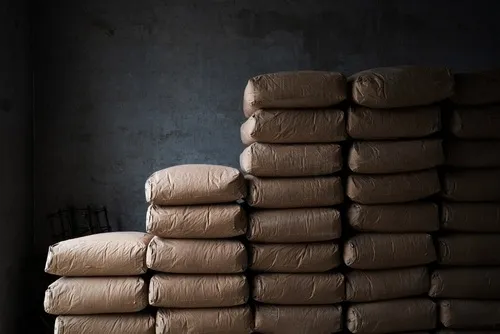
The cement packaging market is entering a period of opportunity as construction activity, sustainability goals, packaging technology, and supply-chain modernization reshape industry requirements. Cement packaging is no longer viewed only as a basic container. It has become an important part of product protection, transportation efficiency, storage performance, manufacturing automation, and brand communication.
The cement packaging market opportunities are expanding as cement producers seek packaging that can deliver reliable performance while reducing material consumption and environmental impact. Innovations in paper technology, lightweight designs, recyclable structures, automated production, digital printing, and moisture protection are creating new possibilities for manufacturers.
At the same time, construction development in emerging economies and infrastructure modernization in mature markets are supporting demand for efficient cement distribution.

Construction Expansion Creates New Demand
Construction activity remains one of the strongest foundations for cement packaging opportunities.
Residential buildings, commercial projects, industrial facilities, infrastructure programs, and renovation activities all require cement. As construction projects expand, cement must be transported and distributed efficiently to contractors, retailers, and construction sites.
Emerging economies offer particularly strong opportunities because urbanization can accelerate housing and infrastructure development. Roads, bridges, utilities, schools, hospitals, and commercial buildings can increase demand for packaged cement.
Mature markets can provide additional opportunities through infrastructure repair, renovation, maintenance, and rebuilding.
Packaging manufacturers that align their products with these changing construction patterns can strengthen their market position.
Infrastructure Projects Support Packaging Demand
Infrastructure development creates a wide range of packaging requirements.
Large projects may use bulk cement, but packaged cement remains relevant for maintenance activities, smaller construction operations, retail distribution, and projects where flexible handling is required.
Infrastructure materials may travel long distances before reaching their final destination. This increases the importance of packaging durability.
Manufacturers can capture opportunities by developing bags that resist tearing, compression, abrasion, and repeated handling.
Packaging designed for demanding logistics conditions can help reduce product losses and improve supply-chain reliability.
Sustainable Packaging Opens New Markets
Sustainability is becoming one of the most promising areas for cement packaging market opportunities.
Cement producers are increasingly looking at ways to reduce waste and resource consumption across their operations. Packaging manufacturers can respond by developing recyclable paper structures, lightweight bags, optimized material combinations, and more efficient production processes.
Paper remains an attractive material because of its established use and recycling potential. However, manufacturers are focusing on improving performance while minimizing material requirements.
The opportunity lies in creating packaging that is environmentally responsible without compromising strength or cement protection.
Lightweight Designs Offer Cost and Environmental Benefits
Lightweighting is creating another important avenue for innovation.
Reducing unnecessary packaging material can lower resource consumption and potentially improve transportation efficiency. However, cement bags must remain strong enough to withstand filling, stacking, transportation, and handling.
Advanced paper grades and structural engineering can help manufacturers achieve better material efficiency without significantly reducing performance.
The most attractive solutions will balance weight reduction with durability, moisture resistance, and recyclability.
Automation Creates Technology Opportunities
The growth of automated cement plants is creating demand for packaging products designed for high-speed equipment.
Automated filling, weighing, palletizing, and material-handling systems require bags with consistent dimensions, reliable valves, and predictable filling performance.
Packaging manufacturers that develop automation-compatible products can offer additional value to cement producers.
Automation also creates opportunities for digital quality control. Automated inspection can identify defects, improve production consistency, and reduce material waste.
Technology-driven packaging manufacturing can therefore become an important source of competitive differentiation.
Moisture Protection Remains a Valuable Opportunity
Cement packaging must protect products from moisture throughout transportation and storage.
Humidity can affect cement quality and lead to hardened material, leakage, and product losses. This creates demand for packaging designs that provide stronger environmental protection.
Improved valve systems, optimized paper structures, specialized protective layers, and stronger seams can enhance packaging performance.
Manufacturers that develop moisture-resistant solutions while maintaining recyclability and cost efficiency can address an important customer requirement.
Digital Printing Supports Brand Differentiation
Packaging can also create opportunities for stronger product communication.
Digital printing technologies allow cement manufacturers to display product information, technical specifications, instructions, branding, and safety details with greater clarity.
Customized printing can help producers differentiate product grades and applications. It can also support shorter production runs and multiple packaging designs.
As competition among cement producers increases, packaging may become an increasingly important part of brand presentation.
Customization Creates Specialized Opportunities
Cement products are not always distributed through identical channels or used for identical applications.
Packaging suppliers can develop customized products based on bag size, strength, valve type, printing requirements, material composition, and transportation conditions.
Customization allows suppliers to serve specialized customer requirements instead of competing only through standardized products.
This can create stronger customer relationships and potentially support higher-value packaging applications.
Emerging Economies Provide Expansion Potential
Emerging markets represent important opportunities because of urbanization, population growth, infrastructure development, and increasing construction activity.
Demand for affordable and durable cement packaging can rise as cement distribution networks expand.
Local manufacturing can help packaging companies respond to regional requirements while reducing transportation dependencies.
Understanding local construction practices, climate conditions, retail structures, and customer preferences can help suppliers develop products better suited to individual markets.
Supply Chain Optimization Creates Additional Value
Packaging manufacturers can create opportunities by helping cement producers improve logistics efficiency.
Strong and stackable bags can reduce damage during transportation and storage. Efficient packaging dimensions can also improve warehouse organization and vehicle utilization.
Companies that evaluate packaging as part of the entire supply chain can identify opportunities beyond material design.
This approach can help packaging suppliers position themselves as efficiency partners rather than commodity vendors.
Innovation Can Strengthen Competitive Position
The competitive environment is increasingly rewarding companies that provide measurable value.
Packaging suppliers can differentiate through material innovation, sustainable production, automation compatibility, customized solutions, reliable delivery, and technical expertise.
Investments in research and development can help manufacturers improve strength, reduce material use, and develop products suited to changing customer expectations.
Companies that combine cost efficiency with innovation may have stronger opportunities to expand their customer base.
Future Opportunities
The future cement packaging market opportunities are likely to emerge from the intersection of construction expansion, sustainability, technology, and supply-chain modernization.
Recyclable paper, lightweight structures, moisture-resistant designs, automation-ready bags, digital printing, customized packaging, and automated quality inspection are expected to remain important development areas.
Packaging manufacturers may also find opportunities by strengthening regional production networks and developing solutions tailored to specific climates and distribution environments. The ability to adapt quickly to changing customer requirements will become increasingly valuable.
The cement packaging market offers a broad range of opportunities as construction activity and packaging expectations continue to evolve. The strongest cement packaging market opportunities are emerging around sustainable materials, lightweight designs, automation compatibility, moisture protection, customization, digital printing, and logistics efficiency. Construction expansion in emerging economies and infrastructure modernization in established markets can provide additional demand. Companies that combine reliable packaging performance with material efficiency, environmental responsibility, and technological innovation will be better positioned to capture new opportunities and build long-term relationships across the global cement supply chain.