
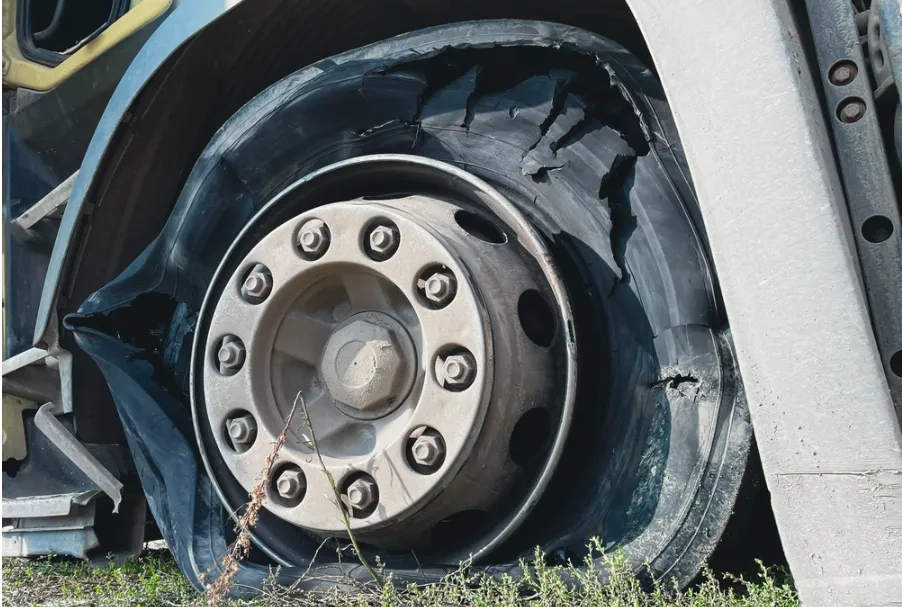
Every safe trip depends on hundreds of parts working exactly as they should. A single worn brake or damaged tire may seem like a small issue, yet it can quickly turn a large truck into a serious danger on the road. Many mechanical problems develop slowly, giving warning signs long before a crash happens. Looking closely at these failures often explains why an accident became impossible to avoid.
People seeking legal help after a truck accident are often surprised to learn that hidden maintenance problems may have played a much bigger role than they first believed. Let us look more closely at how these failures happen.
Why Brakes and Tires Are Essential to Truck Safety
Commercial trucks carry heavy loads over long distances every day. Their brake systems must slow thousands of pounds safely, while the tires keep the truck balanced and firmly connected to the road. Unlike smaller vehicles, trucks place constant pressure on these parts because of their size and weight. Even a minor problem can affect steering, stopping distance, and overall control. Regular inspections and proper maintenance help keep these systems working correctly, reducing the chance that a mechanical problem will lead to a dangerous accident.
How Brake Failures Increase the Risk of Serious Truck Accidents
Longer Stopping Distances
Large trucks already need more distance to stop than passenger vehicles. If brake parts become worn or damaged, the truck may take even longer to slow down. This extra distance becomes dangerous in heavy traffic, near intersections, or during sudden stops. Drivers may simply run out of space before the truck comes to a complete stop.
Loss of Vehicle Control
Brake problems can also make it harder for a driver to control the truck. Uneven braking may pull the truck to one side or increase the chance of a jackknife accident. Steep hills become especially risky because failing brakes cannot safely control the truck's speed. Even experienced drivers may struggle once the braking system no longer responds properly.
Common Causes of Brake Failure
Brake failures usually happen because maintenance has been delayed. Worn brake pads, damaged drums, leaking air brake systems, and broken components all reduce braking power. Routine inspections often find these issues early, but missed maintenance allows small problems to become much larger safety risks.
How Tire Failures Can Lead to Dangerous Crashes
Tire Blowouts
A tire blowout happens suddenly and often leaves little time for a driver to react. The truck may pull sharply in one direction, lose balance, or even roll over if the driver cannot regain control. Heavy traffic only increases the danger after a blowout occurs.
Uneven or Excessive Tire Wear
Tires that wear unevenly lose their ability to grip the road. Poor traction affects braking, steering, and stability during turns. Wet roads make these problems even worse because worn tires cannot move water away as effectively.
Incorrect Tire Pressure
Both overinflated and underinflated tires create safety concerns. Incorrect pressure increases tire wear, reduces vehicle stability, and raises the chance of tire failure. Checking tire pressure regularly helps prevent these avoidable problems before they become dangerous.
Maintenance Problems That Often Lead to Mechanical Failures
Mechanical failures rarely happen without warning. Small maintenance issues often grow over time because inspections are skipped or repairs are delayed. Some trucks continue operating even after drivers report mechanical concerns. Missing service records may also make it difficult to confirm whether repairs were completed correctly. Proper maintenance schedules, careful inspections, and timely replacement of worn parts all help reduce the chances of serious brake and tire failures that could otherwise have been prevented.
Safety Responsibilities of Trucking Companies
Keeping trucks safe requires more than fixing problems after they appear. Trucking companies are responsible for building strong inspection programs and making sure every vehicle receives regular maintenance. Drivers should be encouraged to report mechanical issues without fear of delaying deliveries. Companies must also keep detailed repair records and remove unsafe trucks from service until repairs are complete. These safety practices protect drivers, passengers, and everyone sharing the road.
Evidence Used to Investigate Brake and Tire Failures
Investigators often review several sources to determine whether mechanical failures contributed to a crash:
Maintenance and repair records.
Vehicle inspection reports.
Tire condition after the collision.
Brake component examinations.
Black box event recorder data.
Driver inspection reports.
Accident scene photographs.
Expert mechanical evaluations.
Final Thoughts
Brake and tire failures may begin as small maintenance issues, but they can quickly become serious dangers once a truck is moving at highway speeds. Careful inspections, timely repairs, and responsible safety programs help prevent many of these truck accidents before they happen.
A thorough investigation looks beyond the damaged vehicles to identify whether mechanical failures played a role in the collision. Understanding these details provides a clearer picture of responsibility and supports informed decisions for anyone seeking legal help after a truck accident after a serious crash.