A car accident can become much more complicated once both drivers start pointing fingers at each other. One person insists the light was green. The other says the exact same thing. Each side believes their version is correct, and suddenly a simple accident turns into a dispute that can affect insurance decisions, vehicle repairs, and injury claims.
Conflicting stories are more common than many people think. Fault is not usually determined by who speaks the loudest or who files a claim first. Instead, investigators, insurance companies, and other parties look at evidence to understand what truly happened. If you are dealing with uncertainty after a car accident, knowing how fault is reviewed can make the situation feel a little less confusing.
Steps Used to Determine Fault
Review of the Accident Scene
One of the first things examined is the accident scene itself. The location of the vehicles, skid marks, debris, road signs, and traffic signals may provide important clues about how the collision occurred.
Even details that seem minor can become useful pieces of information. Investigators often compare physical evidence with the statements given by both drivers. If one version of events does not match the scene, that inconsistency may become important during the review process.
Examination of Vehicle Damage
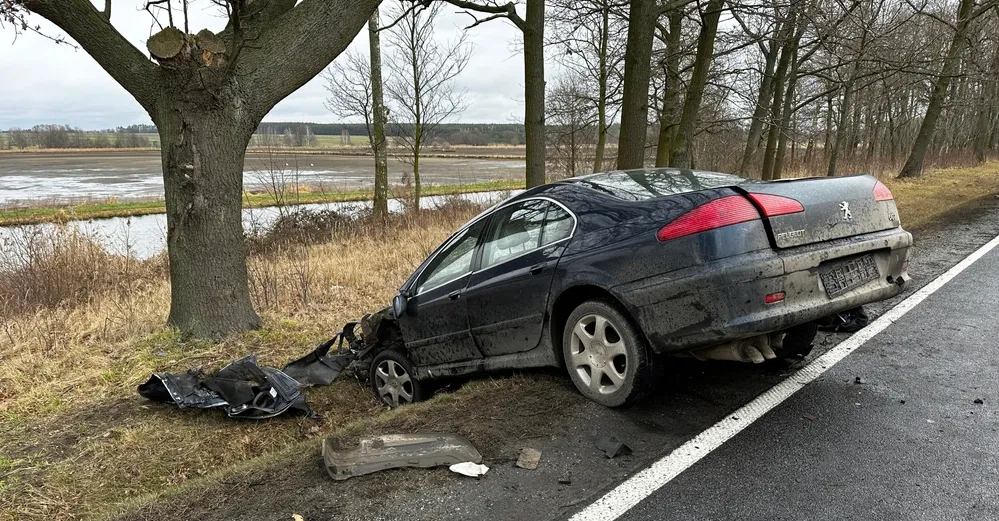
Vehicle damage can tell a story that words sometimes cannot. The location and severity of damage often help explain how the impact happened.
For example, damage to a rear bumper may suggest a different sequence of events than damage to the side of a vehicle. Repair estimates, photographs, and inspection reports are frequently reviewed to better understand the collision.
Review of Witness Statements
Independent witnesses can play an important role in disputed accidents. A person who observed the crash may provide information that neither driver included in their statement.
Witnesses may describe traffic conditions, vehicle movements, speeds, or signal changes. Their observations can sometimes help clarify disagreements and support a more accurate understanding of the event.
Analysis of Photos and Videos
Photographs taken immediately after the accident often become valuable evidence. Images showing vehicle positions, damage, road conditions, and traffic controls can help verify certain details.
Video footage can be even more helpful. Dashcams, surveillance cameras, and traffic cameras sometimes capture events leading up to the collision. These recordings may provide information that is difficult to dispute because they show what actually occurred.
Review of Official Reports
Official accident reports are often reviewed as part of the investigation process. These reports may include diagrams, observations, witness information, and statements collected shortly after the collision.
Because details are usually gathered close to the time of the accident, the report can serve as an important reference point if stories begin to change later.
Insurance Company Investigation
Insurance companies generally conduct their own review before making decisions regarding responsibility. During the insurance claim process, adjusters often examine photographs, reports, statements, repair estimates, and other available records.
Their goal is to determine how the accident happened based on the available evidence. The final decision is usually based on facts collected throughout the investigation rather than personal opinions from either driver.
Helpful Actions That May Support Your Position
If a fault is being disputed, staying organized can make a difference. Consider these practical steps:
- Take photographs of all vehicles involved.
- Save copies of repair estimates and invoices.
- Collect witness names and contact information.
- Keep records of medical visits and expenses.
- Store all accident-related documents in one location.
- Maintain a timeline of important events and conversations.
- Save emails, letters, and insurance correspondence.
These records can help create a clearer picture of what happened if questions arise later.
Practical Tips During a Fault Dispute
Stay Consistent With Your Information
Consistency matters. Providing different details at different times can create confusion and make it harder to understand the sequence of events. It is often helpful to review your notes and rely on documented facts rather than memory alone.
Avoid Speculation
Not every detail will be immediately clear after an accident. Guessing about speeds, distances, or actions may create unnecessary complications. Sticking to information you know is generally a better approach.
Preserve Evidence Early
Important evidence does not always remain available forever. Video recordings may be erased, physical evidence may disappear, and memories can fade. Acting quickly can help preserve information that may later become valuable.
Be Careful With Public Statements
Comments made online or in public discussions can sometimes be misunderstood. Keeping accident-related conversations focused and factual may help avoid unnecessary confusion while the matter is being reviewed.
Final Words
Fault disputes can make a car accident feel much more stressful, especially if both drivers strongly believe they are right. While conflicting stories may create uncertainty, the process of determining responsibility usually relies on evidence rather than opinions.
Photographs, vehicle damage, witness statements, official reports, and investigative findings all help build a clearer understanding of how the collision occurred. Each piece of information contributes to a larger picture that helps decision makers evaluate the facts.
For anyone dealing with uncertainty after a car accident, staying organized, preserving evidence, and focusing on accurate information can help strengthen the overall record. A clear and consistent collection of facts often becomes the most reliable way to address disputes and understand how fault is ultimately determined.