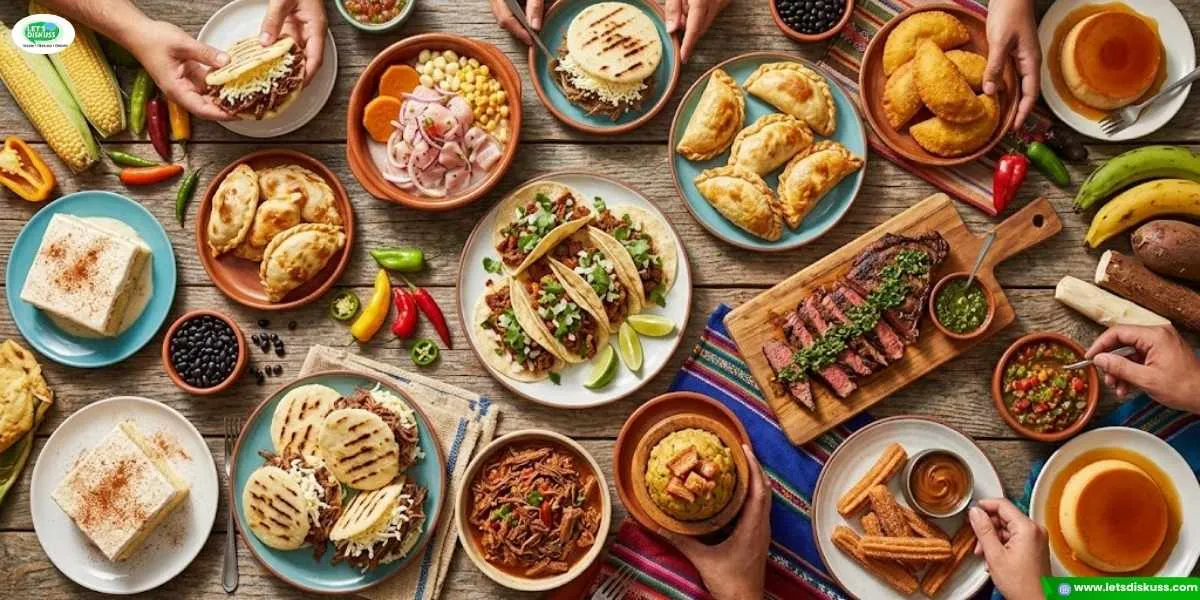
How does it feel when you are exploring a bustling street market, and the rich, smoky aroma of charred meat on a hot grill instantly makes your mouth water? Or when you bite into a perfectly golden, crispy pastry that gives way to a savory, steaming, slow-cooked filling?
☰ Table of Contents
- 1. Introduction
- 2. What is Latin American Food?
- 3. The Most Popular Latin Food in the US
- 4. Exploring Regional Specialties
- 5. The Rise of American Latin Food: US Favorites and Fusion
- 6. Sweet Endings: Classic Latin American Desserts
- 7. How to Find an Authentic Latin American Restaurant
- 8. Frequently Asked Questions (FAQ)
- 9. Conclusion
Introduction
Imagine the sharp, bright pop of fresh lime juice mingling with cilantro on your palate, followed later by the sweet, comforting scent of caramelized milk over warm dough.
When you try an authentic dish, you're basically exploring a rich and diverse culture right from your plate. You get a taste of the history, feel the heartbeat of the place, and give your taste buds something unforgettable, which is exactly what makes Latin American food so incredible to explore.
When most people hear the words “Latin food,” they immediately think it only includes tacos and burritos. But the truth is, this cuisine is so much bigger. It is incredibly diverse, stretching all the way from the streets of Mexico down to Argentina and right across the Caribbean.
So, let's just jump right in and explore. We're going to uncover the fresh ingredients, unique cooking styles, and rich food traditions that make this food so incredibly refreshing and special.
What is Latin American Food?
Latin American cuisine is far from a single, monolithic entity; rather, it is a vibrant culinary mixture woven from centuries of complex cultural fusion. At its roots, it blends the brilliant agricultural practices of indigenous empires (namely the Aztec, Mayan, and Incan) with Spanish, Portuguese, and African cooking traditions.
While the continent is incredibly diverse, these regions are united by a shared pantry of foundational staples:
- Corn (Maize) & Beans: The daily base of countless meals that provide hearty, filling protein.
- Plantains & Yuca: Versatile, hearty starches used in everything from sweet sides to savory, crispy snacks.
- Chilies: Used across the region mostly to add deep flavor, not just for heat.
However, it is time to bust the “spicy myth” that persists in the United States. Not all Latin food mirrors the heavy chili heat often associated with regional Mexican dishes.
In fact, large swaths of South America rely on entirely different flavor profiles. Cooks rely on savory herbs, fresh garlic, and bright citrus to flavor their meats and stews instead of fiery spices.
Source: Cookunity
The Most Popular Latin Food in the US
Traditional flavors have completely shaped the US culinary scene, with Pew Research Center data showing that 1 in 10 American restaurants now serve Mexican food. While we often enjoy these local fusion spin-offs as American Latin food, diving into authentic Latin American food offers a much richer, vibrant experience.
Let's break down a few of the most popular Latin food staples to see what the real, traditional versions actually look like.
Tacos
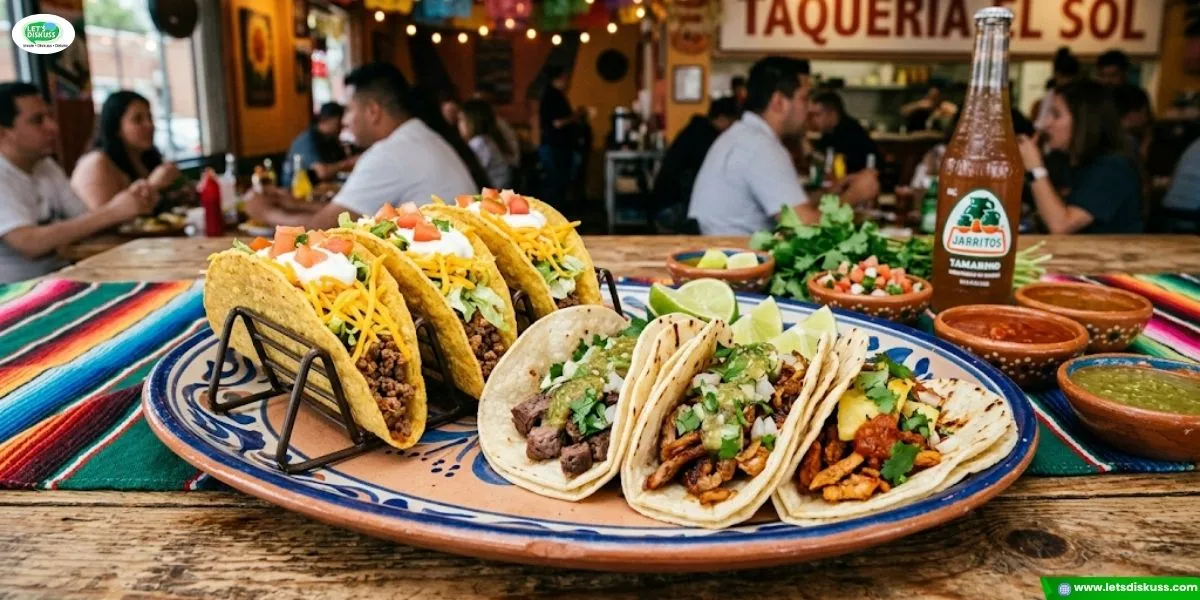
When you think of a taco in the US, you probably picture a hard shell loaded with ground beef and cheddar.
However, the authentic Mexican street tacos are a completely different, much simpler experience. They rely on soft, warm corn tortillas to perfectly hold the juices of deeply marinated meats.
Instead of heavy dairy toppings, they are simply garnished with chopped onions, fresh cilantro, and a quick squeeze of lime.
Empanadas
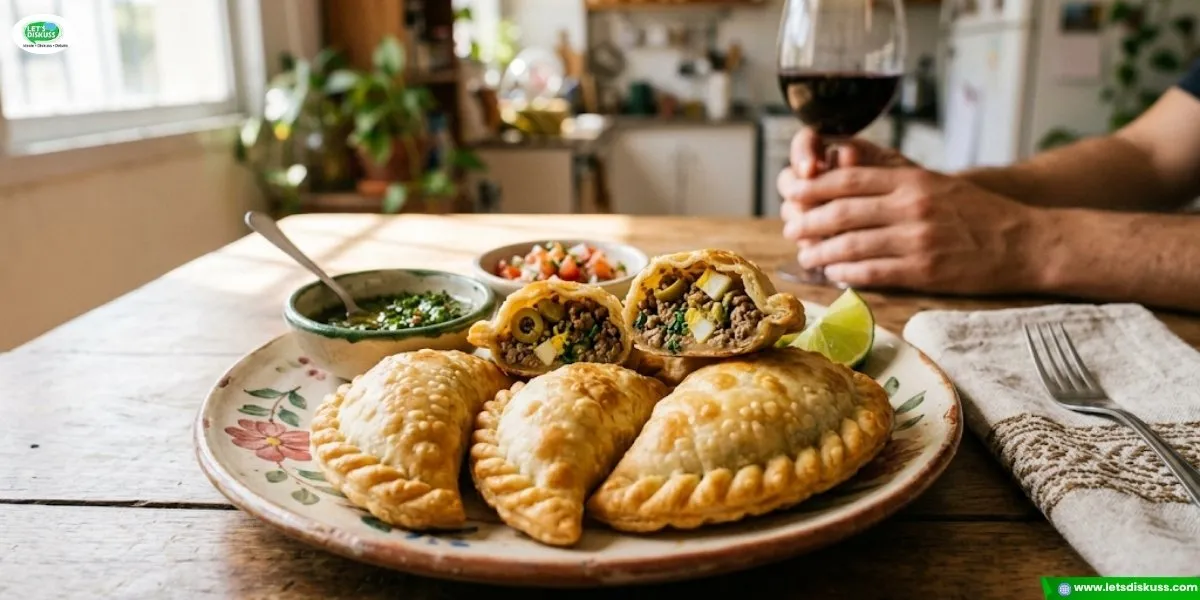
An empanada is simply a savory, handheld meat pie. However, the exact recipe changes completely depending on where you travel. Traditional Argentine empanadas are baked like a flaky pastry and filled with savory beef and olives.
In contrast, Colombian empanadas use a yellow cornmeal dough and are deep-fried until they are incredibly crispy on the outside.
Arepas
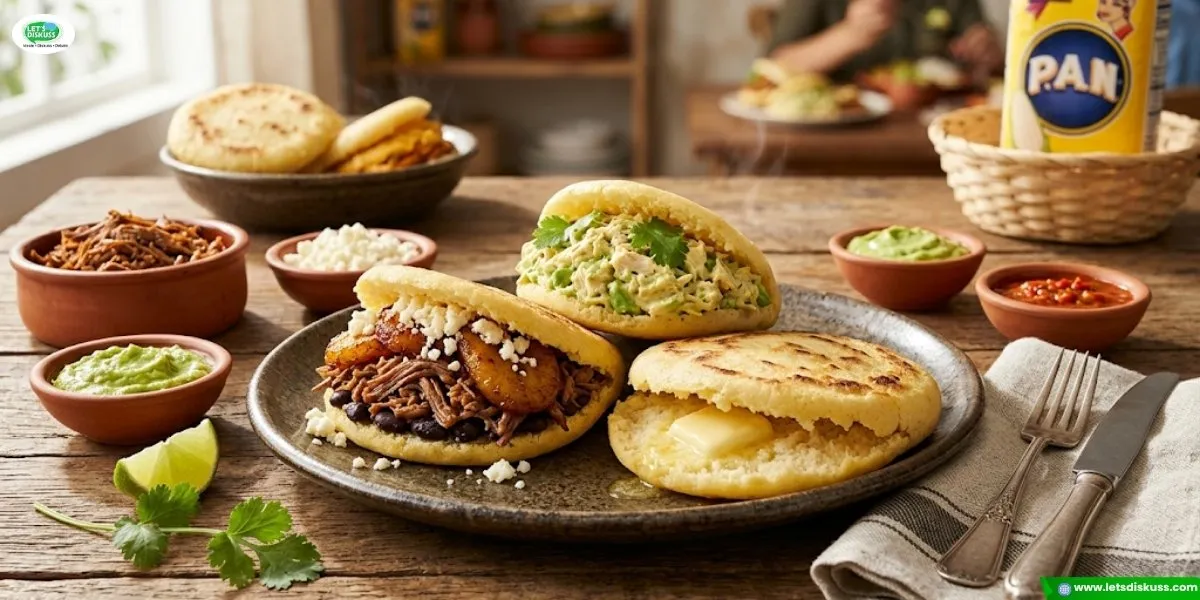
An arepa is a warm, naturally gluten-free cornbread pocket that serves as a daily staple in many countries. They are grilled or baked until they develop a crispy crust and a soft, steamy center.
In Venezuela, they are sliced open and stuffed like a thick sandwich with shredded meats, black beans, and white cheese. In Colombia, they are usually served flat with butter and melted cheese right on top.
Source: Tasteatlas
Exploring Regional Specialties
You cannot define this cuisine with just one flavor profile. As you cross borders, each country takes its local crops and turns them into entirely different flavor experiences.
South American Cuisine Highlights
The best way to understand South American cuisine is to look at its two biggest extremes: light, fresh coastal seafood and heavy, fire-roasted meats.
Peruvian Ceviche
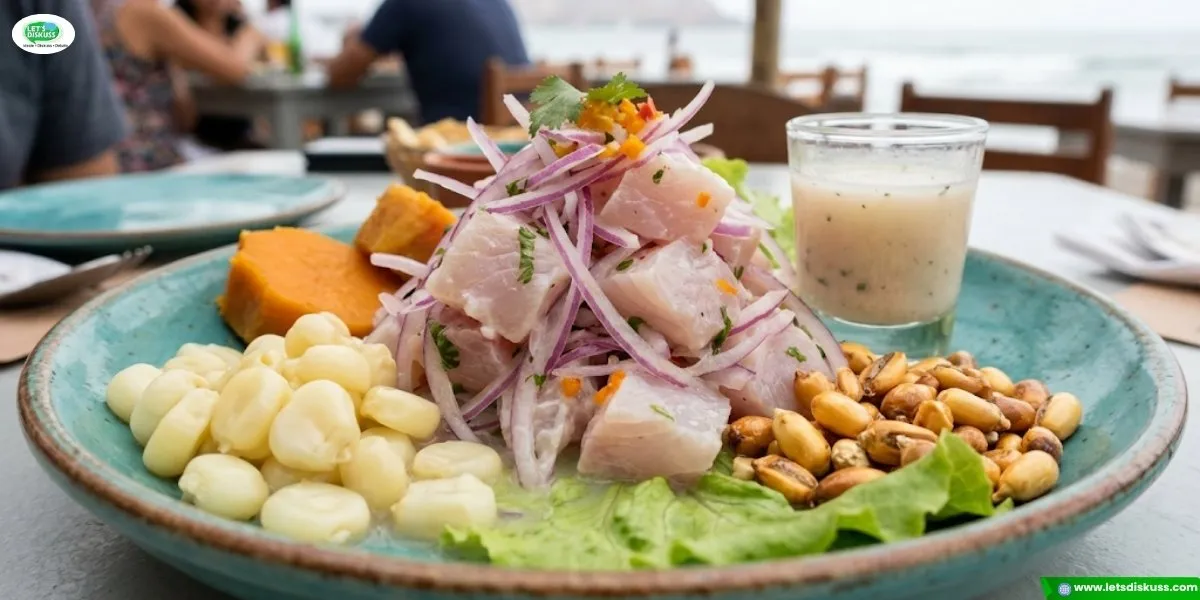
- What it is: Ceviche is a dish where incredibly fresh, raw fish is mixed with lime juice, chilies, and cilantro, allowing it to cure (marinate) entirely without heat.
- Why it is famous: It is famous worldwide for its perfect balance of fresh, tangy, and spicy flavors. It is traditionally served with boiled sweet potatoes and corn to perfectly round off the taste.
Churrasco (Brazil/Argentina)
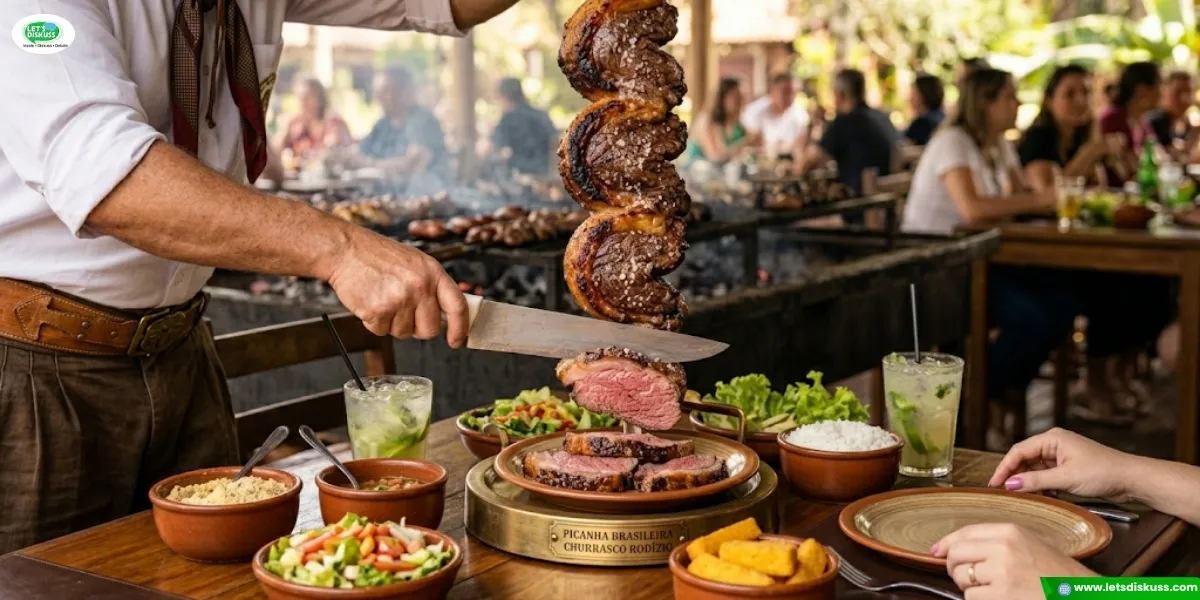
- What it is: Churrasco is an incredible barbecue style where premium cuts of meat are placed on large skewers and roasted directly over an open fire.
- Why it is famous: It is much more than just a meal; it is a major cultural and social celebration. It is most famous for its ultimate skewer-to-table steakhouse experience and the tangy chimichurri sauce served right alongside it.
Caribbean & Cuban Culinary Gems
When exploring the Cuban side of Latin American cuisine, you will find dishes that deliver deep flavors through slow cooking and tropical ingredients.
Ropa Vieja (Cuba)
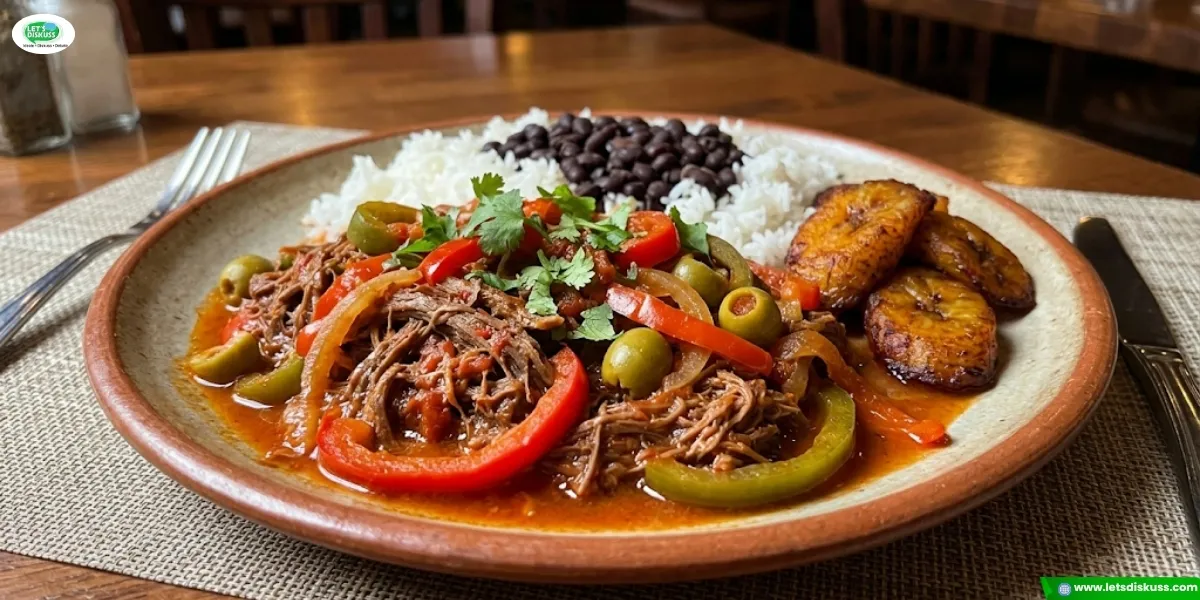
- What it is: It is a highly traditional Cuban dish. It features flank steak slow-cooked in a rich tomato, bell pepper, and garlic sauce. The meat simmers until it becomes incredibly tender and pulls apart into thin shreds.
- Why it is famous: It serves as the official national dish of Cuba. It offers a deeply comforting taste, but it is also famous for its unique name. “Ropa Vieja” translates to “old clothes” because the shredded beef looks just like torn rags.
Mofongo (Puerto Rico)
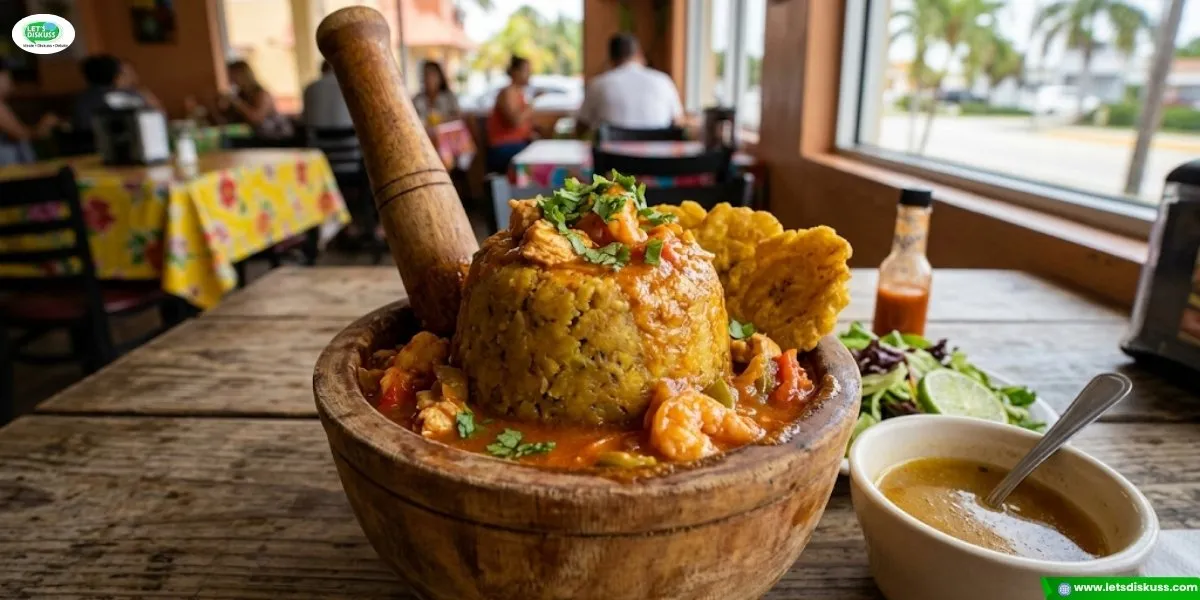
- What it is: This Dish is Puerto Rico’s biggest culinary icon. It takes fried green plantains and mashes them inside a traditional wooden mortar. It blends the plantains perfectly with garlic, salt, and crispy pork cracklings.
- Why it is famous: It delivers a powerful garlic flavor and a great, crispy, and soft texture. Cooks usually shape it into a round ball and serve it alongside a rich broth. It also acts as a base for fresh seafood to create a completely luxurious meal.
Source:Chimuadventures
The Rise of American Latin Food: US Favorites and Fusion
Traditional recipes have completely transformed after arriving in the United States. Chefs blend authentic cooking methods with local ingredients to create what we now call American Latin food. This unique fusion delivers bold, exciting flavors perfectly.
You can see this delicious evolution clearly in major food hubs. Down in Miami, the vibrant Cuban sandwich scene takes classic roasted pork and presses it perfectly with ham, Swiss cheese, and pickles.
Up in New York, local Dominican spots serve up massive, comforting plates of mangú (mashed plantains) with a distinct urban energy.
Today, you do not even need to visit a major city to find these flavors. The popularity of Latin food trucks has brought fusion tacos, loaded arepas, and fresh churros to neighborhoods across the entire country. These mobile kitchens make it incredibly easy to grab a fast, unforgettable meal right on the street.
Source: latino.si.edu
Sweet Endings: Classic Latin American Desserts
You cannot truly experience Latin American food without trying the desserts. Several traditional sweets have naturally become mainstream favorites in the US.
Here are a few of the most popular classics:
Tres Leches Cake: This is an incredibly rich and moist sponge cake. It is thoroughly soaked in a mixture of three different kinds of milk (condensed, evaporated, and heavy cream). This unique process turns its texture into absolute milk-soaked perfection.
Churros & Dulce de Leche: This represents absolute street food perfection. Cooks roll piping-hot, crispy fried dough directly in sweet cinnamon sugar. You then dip these warm treats into a rich, classic golden caramel sauce known as dulce de leche.
Flan: This is truly the crown jewel of desserts. It is a silky, smooth caramel custard that perfectly balances a slightly bitter caramel topping with a sweet base. It proudly stands out as a sweet staple in almost every Latin household and restaurant.
Source:meezenplace.app
How to Find an Authentic Latin American Restaurant
When you crave authentic Latin American food, you should always skip the commercial chains.
Finding a real culinary gem requires knowing exactly what to look for. Use these 3 foolproof tips to spot the real deal:
1. Look for Country-Specific and Regional Labeling
Skip places that use a generic “Latin” menu for everything. Real, authentic food is always tied to a specific region.
Look for restaurants that proudly show off their exact roots, whether they serve Salvadoran pupusas or Peruvian ceviche.
For example, spots like Ávila Arepa do not just call themselves “Latin.” They focus entirely on authentic Venezuelan street food and make amazing stuffed cornmeal cakes.
2. Seek Out Neighborhood Markets and Family-Owned Spots
You rarely find the most incredible, traditional meals in flashy dining rooms. They are usually tucked away in family-run spaces and community hubs.
Paraiso Tropical is the perfect example. On the outside, it operates as a neighborhood grocery store. However, its hidden kitchen serves up incredibly authentic Mexican tamales and traditional Pozole soup.
3. Check the Menu for Native Terms
An authentic menu usually features dishes written natively in Spanish. Look for traditional culinary terms and preparation styles like barbacoa, asado, or al pastor.
Even modern dining spaces like El Corazón maintain this authenticity. They keep the traditional essence of their Beef Barbacoa Tacos alive by using genuine elements like fresh salsa verde and serrano peppers.
Once you start eating at such places, you will love seeing how your taste buds finally get that real feel of the Latin American cuisine.
Frequently Asked Questions (FAQ)
What is the difference between Mexican food and Latin American food?
Is all Latin American food spicy?
What is the most popular Latin food in America?
How does "American Latin food" differ from authentic dishes?
Is Latin American food gluten-free or vegetarian-friendly?
Conclusion
Latin American food is so much more than just tacos or spicy dishes. It is a rich celebration of culture, history, and regional traditions that come alive through every bite. From fresh Peruvian ceviche to comforting Cuban ropa vieja, and sweet churros with dulce de leche, Latin American cuisine offers endless flavors worth exploring.
Whether you visit a family-owned restaurant or try cooking these dishes at home, every experience introduces you to something unique and unforgettable.
Now we would love to hear from you!
What is your favorite Latin American food, or which hidden gem restaurant in your city deserves more attention? Comment down below!