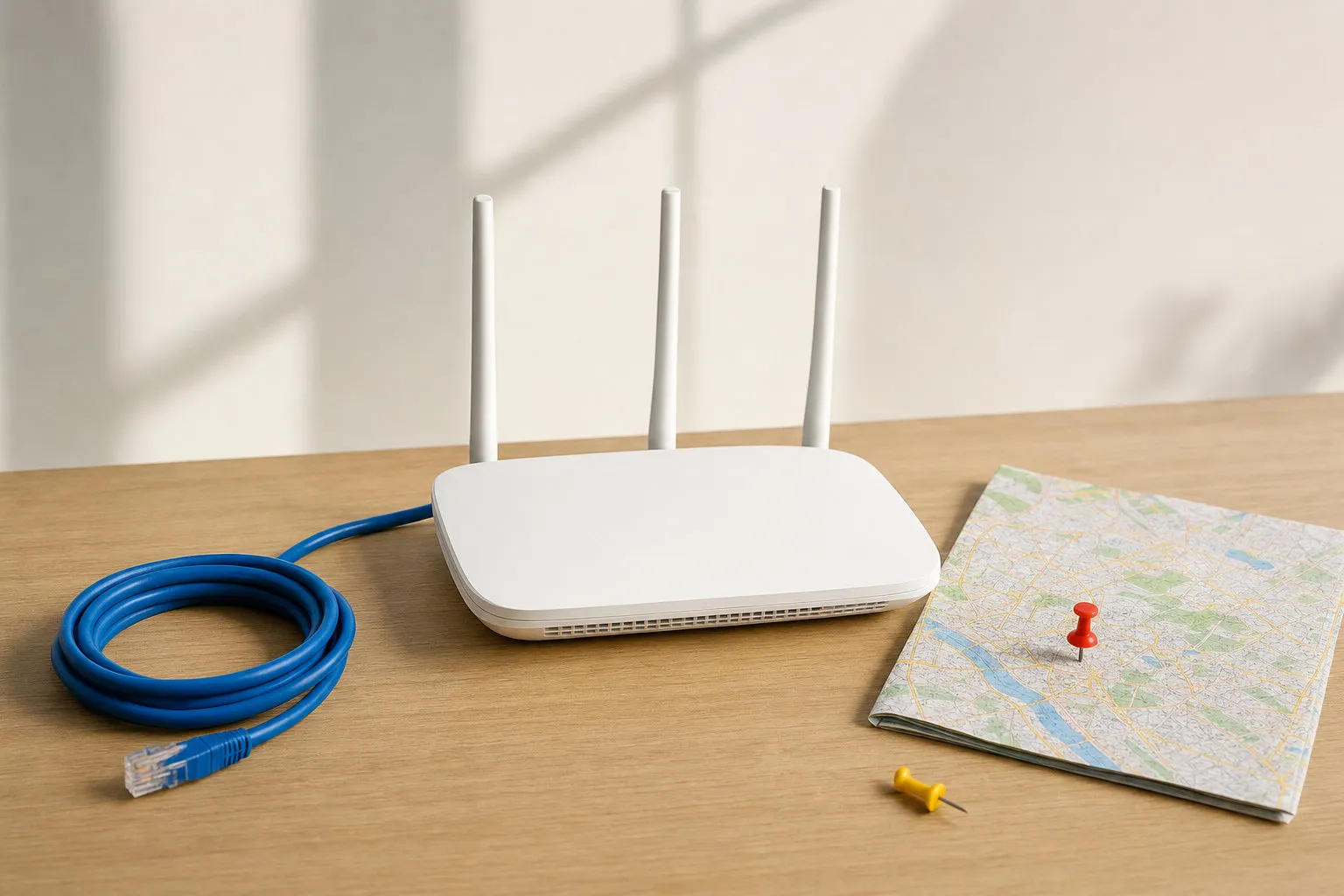
IP geolocation is a widely used tool for identifying where internet users are connecting from, influencing everything from website content to fraud detection. While often accurate at a broad level, IP geolocation can be surprisingly unreliable when determining your precise location. Understanding why these inaccuracies occur can help you better interpret online experiences and avoid common misconceptions.
IP geolocation refers to the process of estimating a user's real world location based on their device's internet protocol (IP) address. Many services use this information to tailor website language, restrict content, or enhance security checks. Factors such as what is my IP address, network infrastructure, and database reliability significantly impact how closely these systems approximate your actual whereabouts. The accuracy of IP based location can affect your day to day browsing and shape your interactions with digital platforms.
The methods behind estimating user location
To infer your location, geolocation services analyze a variety of technical signals. The main sources include public IP allocation records from internet registries and network providers, which detail where address blocks are assigned. Providers also rely on proprietary databases that are built through decades of network mapping and crowdsourced data.
Network routing analysis contributes clues by revealing how internet traffic flows through regional connections. Some platforms process user provided details, such as declared time zones or device locations, to improve precision. However, these methods vary in reliability and are not always up to date or universally accurate.
Key causes of location mismatches and errors
Your internet service provider (ISP) may route data through different cities or regions, making your physical location appear elsewhere. This is especially common when ISPs use centralized infrastructure, causing one IP block to be shared by users across broad geographic areas.
Mobile networks introduce extra complexity by routing many customer connections through central gateways, which often mask users' true positions. The use of VPNs, proxies, and business networks can distort results, frequently registering an IP address in a wholly different region or even country. Dynamic IP address assignments and recycled address blocks add further uncertainty, as an IP previously registered in one city might now serve users hundreds of miles away, with database updates unable to keep pace.
Understanding differences in accuracy at various levels
The definition of "accuracy" varies depending on how specifically you want to locate someone. Most geolocation systems can reliably identify users' countries, but precision falls at the region or city level. At city resolution, even minor discrepancies in data or ISP policies can result in noticeable errors.
IP location traces from different geolocation providers may agree on the country but differ by city or region. For example, visiting a website may result in language or currency defaults that do not match your actual location. In other cases, online video platforms and financial services might flag your session as high risk, mistaking a routine login for fraud due to an unexpected IP location match.
Checking IP results and implications for privacy and trust
When faced with surprising or inconsistent location data, you can check IP address results using multiple online databases. Comparing responses, looking up the registered owner, and recognizing that IP addresses represent networks rather than individuals can provide clarity. Making sense of these results means accepting the limitations built into IP based geolocation.
While IP addresses contribute useful information about user location, they do not reveal a specific address or identity. For privacy and safety, it is essential not to rely on pinpoint accuracy or treat IP based estimates as definitive proof. Instead, viewing geolocation results as probabilistic helps you set realistic expectations and avoid drawing unwarranted conclusions about users or online interactions.