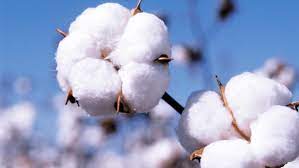
Cotton, one of the most generally developed and used crops worldwide, has a rich history and assumes a critical role in different enterprises.
The following are five intriguing realities about cotton:
1. An Ancient Harvest with a Long History:
Cotton has a set of experiences dating back millennia. Archeological proof recommends that cotton was utilized in India as early as 4500 BCE, and cotton sections have been tracked down in Mexico that date back to around 5800 BCE. The old developments in Egypt, China, and the Indus Valley were among the early adopters of cotton development.
2. Versatile and Sustainable Fiber:
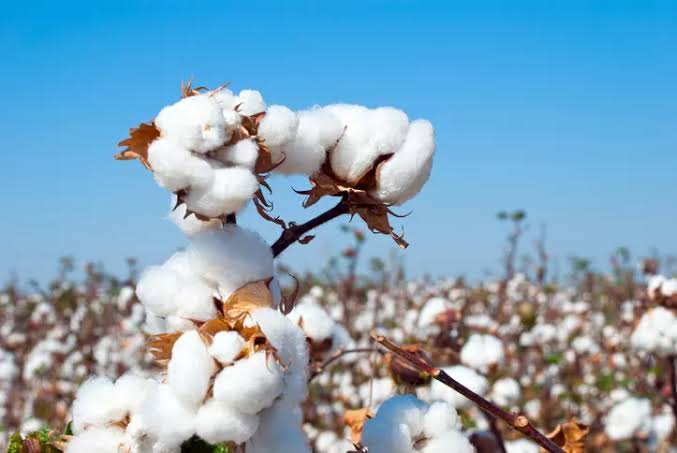
Cotton is a flexible and sustainable regular fiber. The filaments, known as buildup, are extricated from the cotton bolls and can be turned into yarn or string to make a large number of materials. Cotton is utilized in the creation of attire, family materials, clinical supplies, and modern products. Furthermore, cottonseed, a side effect of cotton creation, is utilized for oil extraction and as a protein-rich feed for animals.
3. Variety of Cotton Species:
There are a few types of cotton, yet the two principal types developed for business purposes are Gossypium hirsutum (Upland cotton) and Gossypium barbadense (Pima or Egyptian cotton). Upland cotton is the most broadly created and represents most of the worldwide cotton development. Pima cotton is known for its extra-long staple filaments, adding to its standing for delivering superior-grade, rich materials.
4. Cotton as a Worldwide Item:
Cotton is a significant worldwide item, and its creation is a huge financial driver for some nations. Driving cotton-delivering nations incorporate China, India, the US, and Brazil. Cotton is exchanged in worldwide business sectors, and its cost is affected by variables like weather patterns, worldwide interest in materials, and horticultural practices.
5. Cotton and the Modern Upset:
The creation of the cotton gin by Eli Whitney in 1793 upset the cotton business and significantly affected the worldwide economy. The cotton gin automated the method involved with isolating cotton strands from seeds, fundamentally expanding the proficiency of cotton handling. This development prompted a flood in cotton creation, especially in the southern US, and assumed a critical role in the development of the material business during the Modern Upset.
6. Cotton and Manageable Horticulture:
Cotton development has confronted ecological difficulties, including issues connected with water use, pesticide use, and soil corruption. Because of these difficulties, there has been a developing accentuation on manageable cotton creation rehearsals. Natural cotton, for instance, is developed without the use of engineered pesticides and manures. Also, drives like the Better Cotton Drive (BCI) advance naturally and socially mindful cotton creation, planning to lessen the ecological effect of cotton cultivation all around the world.
7. Cotton and Hereditary Adjustment:
Hereditary adjustment has been applied to cotton harvests to improve specific beneficial characteristics. Bt cotton, for example, has been hereditarily changed to communicate a poison from the bacterium Bacillus thuringiensis (Bt), giving opposition to specific nuisances. This hereditary change has led to expanded yields and diminished dependence on compound pesticides in certain districts.
8. Cotton's Effect on Design:
Cotton is a predominant fiber in the style business, with its utilization in clothing, denim, and different materials. The breathability, retentiveness, and flexibility of cotton make it a favored choice for an extensive variety of clothing. From relaxed wear to top-of-the line style, cotton's presence is pervasive in the realm of apparel.
In rundown, cotton's excursion from antiquated civic establishments to its focal job in the worldwide economy demonstrates its versatility and flexibility. As a fundamental farming item and a central participant in the material business, cotton keeps on molding different parts of human existence and industry. Its development, from customary development to hereditary alteration and maintainable practices, reflects continuous endeavors to offset its financial significance with natural and social contemplations.