
K
Kate Jones· 7 years ago
Author

What are CNC Machines and their types?

4
410

Join this conversation

Sort By
Replying to the question above
Answered on09/23/26

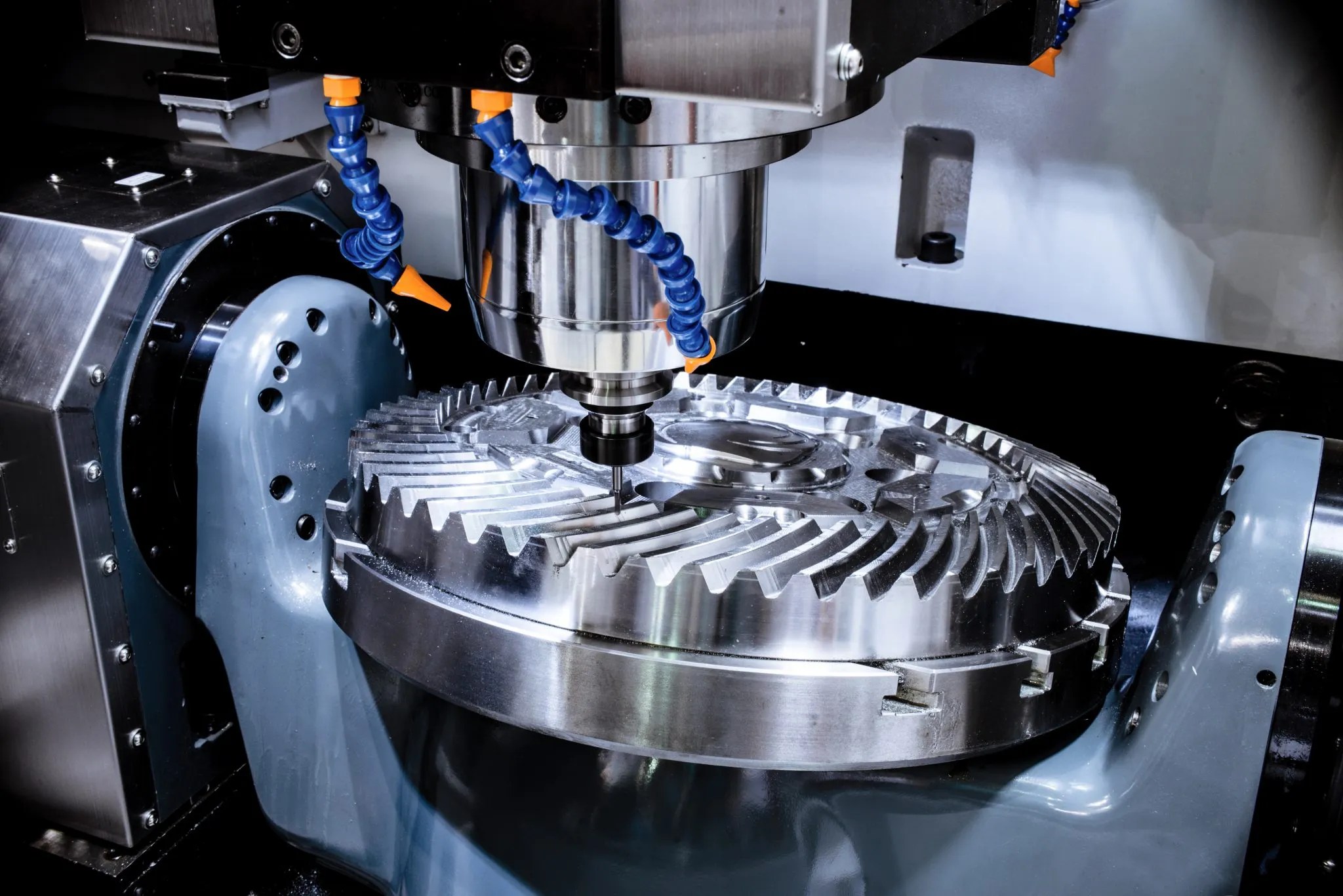
CNC machines, which stand for Computer Numerical Control, are basically machine tools that are operated by a computer. Rather than an operator operating the machine manually, the machine is operated through a computer program. A CNC machine can be used to cut, drill, form, or finish a material to a certain level of precision. Therefore, the use of a CNC machine allows for faster and more uniform production. Materials such as metals, plastics, and wood are typically machined using a CNC machine. In other words, you provide the machine with instructions and the machine then produces the desired component based upon those instructions.
Article image

CNC machines, or computer numerical controlled machines, are essentially machines that have been programmed to follow instructions from a computer rather than being operated manually. The computer will tell the machine how to move, cut, drill, etc., allowing for high precision and speed in manufacturing. Therefore, this makes the process much more efficient and reliable. Many industries use CNC machines when working with materials such as metals, plastics and woods. To put it simply; you give the machine a set of instructions, and the machine executes those instructions to produce the desired product.

A second very popular type of CNC machine is the CNC lathe (also known as a CNC turning machine). With this type of CNC machine, the part to be machined is rotated as the cutting tool removes material. These types of machines are primarily used to produce round/cylindrical shaped components like shafts, rods, and bushings. A third popular type of CNC machine is the CNC drill press. This type of machine is primarily used to create precisely located and sized holes in workpieces. While creating holes may seem like an easy task; creating them repeatedly with the same location and size is significantly simpler when using CNC technology.

CNC routers are another form of CNC machine. They are primarily utilized to shape and/or cut materials like wood, plastics, foams and sometimes even aluminum. They are common in furniture manufacturing, sign production, and decorative projects. A unique form of CNC machinery is the CNC plasma cutter, which employs a very hot plasma arc to cut through any electrically conducting metals. This method allows you to rapidly create multiple copies of a shape from metal stock.

Another type of CNC machine is the CNC laser cutting machine. These machines utilize a focused laser beam rather than a standard cutting tool to make cuts or engravings in various types of materials. They are commonly recognized as producing clean and precise cuts. A third type of CNC machine is the CNC grinding machine. These types of CNC machines are primarily used to finish the surface of a part and achieve extreme accuracy when measuring. The selection of which CNC machine to use depends on the material, shape, size and kind of work needed to be completed. Therefore, each CNC machine is not utilized for the exact same function.


Abhisek Ghosh

Blogger and shayar

0
Replying to the question above
Answered on09/22/26

A CNC machine, short for Computer Numerical Control machine, is manufacturing equipment that removes material from a workpiece automatically, guided entirely by computer code rather than a human operator moving the tools by hand. Instead of manually adjusting a spindle or cutting tool, an operator programs the machine using G-code and M-code instructions, which then control exactly how the tool moves, at what speed, and along which path, to shape raw material into a finished part.

How a CNC Machine Actually Works

  • A design first gets created using CAD software, then converted into machine-readable code that tells the CNC system precisely how to move.

  • The machine interprets that code and directs the cutting tool or spindle across multiple axes, commonly 2, 3, 4 or 5, depending on the machine's capability.

  • Because the entire process runs on programmed instructions rather than manual control, CNC machines deliver far greater precision, consistency and repeatability than traditional manual machining.

  • Tolerances on modern CNC systems can reach as tight as 0.005 mm, making them essential for industries where exact dimensions genuinely matter.

CNC Milling Machines

  • Milling machines rank among the most common CNC equipment, using a rotating, multi-point cutting tool to remove material from a fixed workpiece.

  • They come in vertical and horizontal configurations, with cutting tools including end mills, face mills, reamers and drills covering a wide range of operations.

  • Common uses include tapping, drilling, face milling and shoulder milling, making mills genuinely versatile across gear-making, borehole drilling and slot cutting.

CNC Lathe Machines

  • Unlike mills, CNC lathes rotate the workpiece itself at high speed while a stationary cutting tool shapes it from the outside.

  • These machines handle turning, drilling, boring and knurling, and come in horizontal, vertical, slant bed and Swiss configurations, each suited to different part sizes and precision requirements.

  • Applications span automobile components, camshafts, crankshafts, musical instruments and gun barrels.

CNC Drilling Machines

  • Built specifically for creating precise holes, drilling machines are widely used in automobile manufacturing, shipbuilding, aerospace and furniture production.

  • Their main limitation lies in hole depth and diameter, since creating very deep or unusually large holes typically requires specialised drill bits beyond a machine's standard capability.

CNC Grinding Machines

  • Grinding machines use a rotating abrasive wheel, often ceramic-blend or diamond-coated, to remove material slowly and achieve a fine, polished finish.

  • Because material removal happens gradually, grinding is generally used for secondary finishing work rather than primary shaping.

CNC Routers, Plasma Cutters and Other Specialised Types

  • CNC routers work similarly to mills but are optimised for softer materials like wood, plastic and soft metals rather than hard industrial metals.

  • Plasma cutters use a high-speed jet of hot plasma to cut through electrically conductive materials, commonly structural steel.

  • Other specialised types include laser cutters for sheet metal fabrication, and EDM machines, which use electrical sparks rather than physical cutting tools to erode material from a workpiece.

Joe Rose
Eleven years building systems at scale — writing about technology from the inside, where architecture decisions have real consequences.
View Profile

Joe Rose is a Systems Architect and science and technology writer with over 11 years of hands-on experience designing and building large-scale distributed systems, cloud infrastructure, and enterprise technology solutions. He holds a Master of Science in Computer Science from Carnegie Mellon University and a Bachelor of Engineering in Software Engineering from the University of Toronto — credentials that anchor his technical writing in one of the most rigorous engineering traditions in North America. His content covers systems design, cloud architecture, distributed computing, cybersecurity, AI and machine learning infrastructure, software engineering best practices, and the practical implications of emerging technology for enterprises and developers. His work has appeared on platforms including IEEE Spectrum, Wired, and ACM Queue, where he contributes technically rigorous articles and analyses for engineers, technology leaders, and informed readers who want science and technology content written by someone who has actually built the systems being discussed. Over 11 years, Joe has architected enterprise systems for organisations across North America and Europe, working across sectors including fintech, healthcare technology, and cloud infrastructure. He holds AWS Solutions Architect Professional and Google Cloud Professional Cloud Architect certifications, has published 300+ articles and technical papers, and has presented at AWS re:Invent and QCon London. He is a Senior Member of the Institute of Electrical and Electronics Engineers (IEEE). Across all his writing, every technical claim is verified against current engineering practice, every architectural recommendation reflects real-world implementation experience, and no technology trend is covered without examining the systemic tradeoffs that practitioners actually face — because technology writing that ignores how systems behave under real conditions is not useful to the people who build them.

0
Replying to the question above
Updated on12/04/25

CNC machines are computer‑controlled tools that cut, shape, or finish materials — such as metal, plastic, or composites — according to precise, programmed instructions. Common types include turning centers (for cylindrical parts), milling centers (for complex shapes and surfaces), mill‑turn machines (which combine turning and milling in one setup), and CNC grinders (for high‑precision finishing). 

A
View Profile
0