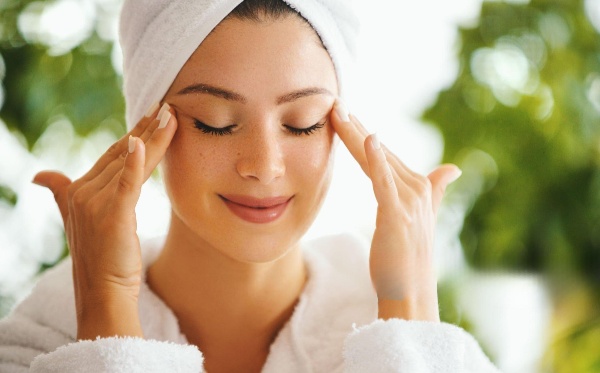
The anti-aging skin care industry is a booming business, with many products on the market that claim to rejuvenate the skin and minimize the signs of aging. Yet, identifying ingredients that are supported by science and exhibit real-world effectiveness is essential. In this discussion, some of the best skin care ingredients for anti-aging will be addressed.
1. Retinoids
Retinoids, such as retinol and its stronger prescription counterpart, retinoic acid, are vitamin A derivatives that are famous for their anti-aging effects. They induce collagen production, which can minimize fine lines and wrinkles. They induce cell turnover, which can enhance skin texture and color. Retinoids are available in numerous over-the-counter products and prescription medications, so they are good choices for many various skin types and issues. They do irritate, though, so it is best to begin with lower strengths and gradually increase.
2. Vitamin C (Ascorbic Acid)
Vitamin C is a strong antioxidant that protects skin against free radical damage induced by ultraviolet (UV) radiation and pollution. Vitamin C is accountable for collagen synthesis that guarantees firmness and elasticity of the skin. Vitamin C also reduces the appearance of dark spots and hyperpigmentation, and the complexion appears more even. You must hunt for stable versions of vitamin C in serums or creams because the product is unstable and degrades when it comes in contact with light and air.
3. Hyaluronic Acid
Hyaluronic acid is a naturally occurring ingredient in the skin that has the ability to hold a great deal of water. This water-holding superstar hydrates and plumps the skin, thus reducing the appearance of fine lines and wrinkles. Hyaluronic acid in Amazon hyaluronic acid supplement comes in different molecular weights, with lower weights being able to penetrate deeper into the skin to give more intense hydration. It is suitable for all skin types and can be incorporated into one's regimen through serums, moisturizers, and even injectables.
4. Peptides
Peptides are brief amino acid chains that constitute proteins like elastin and collagen. Incorporation of peptides in the skincare system has the possibility of triggering the production of collagen, improving elasticity in the skin, and reducing the appearance of wrinkles and fine lines. The types of peptides are extremely varied, ranging from signal peptides to trigger collagen formation and carrier peptides to transport trace elements needed to repair.
5. Niacinamide (Vitamin B3)
Niacinamide is a multivitamin ingredient with many positive attributes for aging skin. It strengthens the skin's barrier, enhances elasticity, and reduces redness and blotchiness. In addition, niacinamide is an anti-inflammatory and thus perfect for sensitive or acne-prone skin. Niacinamide can also reduce the appearance of large pores and even out the skin. The product is well tolerated and can be blended with other actives, including retinoids and vitamin C.
6. Alpha Hydroxy Acids (AHAs)
Alpha hydroxy acids, such as glycolic acid and lactic acid, are chemical exfoliants that allow dead skin cells to be shed from the surface of the complexion. Exfoliating has the ability to reveal smoother, fresher complexion underneath and enhance the look of fine lines, wrinkles, and rough texture. AHAs increase collagen production and can enhance the delivery of other ingredients in skin care. AHAs need to be used with care because they can make the complexion more sensitive to the sun.
7. Coenzyme Q10 (CoQ10)
Coenzyme Q10 is a natural antioxidant that has a significant role to play in safeguarding the skin against free radical damage and supporting cellular energy production. With age, the CoQ10 level in the skin depletes, and this leads to decreased collagen production and increased signs of aging. Topical application of CoQ10 can be utilized to restore these levels, thus improving the elasticity and firmness of the skin. CoQ10 is also very gentle on the skin and can be utilized very effectively in conjunction with other anti-aging products.
8. Ceramides
Ceramides are lipid compounds that make up a large part of the barrier of the skin. They are important in holding moisture, protecting against environmental aggressors, and the general well-being of the skin. With age, the skin's natural ceramide level decreases, leading to dryness and increased susceptibility. Adding ceramide-rich products to one's skin care routine can help revive the barrier function of the skin and improve hydration, thus reducing the visibility of fine lines and wrinkles.
Conclusion
When it comes to the world of anti-aging skin care, choosing the proper ingredients that you use is absolutely essential and can make a huge difference. Among the most effective and scientifically proven ingredients that can help fight the signs of aging are retinoids, vitamin C, hyaluronic acid, peptides, niacinamide, AHAs, CoQ10, and ceramides. These ingredients have been extensively studied and are scientifically proven to improve the health of the skin. It is essential to introduce these nourishing ingredients to your skin care routine in a gradual and consistent manner to ensure that you get the best possible outcome. Furthermore, it is vital to always use sun protection daily, as exposure to ultraviolet light is one of the main factors leading to premature skin aging. By using these effective ingredients along with good sun protection carefully, you can easily achieve youthful, radiant, and glowing skin for years to come.

-(5).jpg)
.jpg)