Supply chain management in India faces a fairly consistent set of challenges, regardless of industry:
Demand forecasting accuracy
Predicting how much inventory to hold and where remains difficult, especially with seasonal fluctuations, festival-driven demand spikes, and shifting consumer behavior. Getting this wrong leads to either stockouts or excess inventory tying up capital.
Fragmented transportation networks
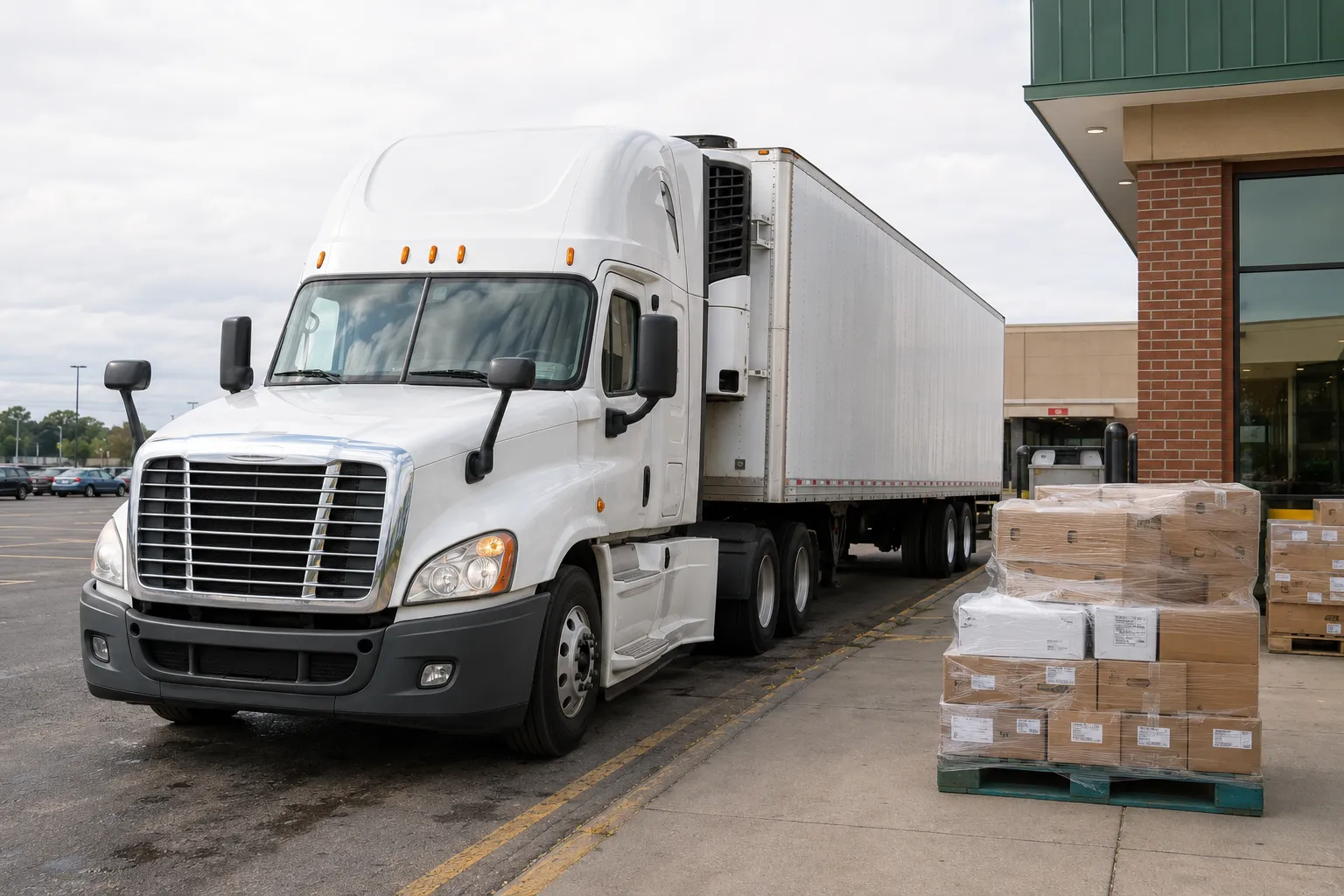
Unlike some countries with a few dominant logistics players, India's trucking industry is still largely fragmented, with thousands of small transporters and owner-operators. This makes it harder to guarantee consistent capacity, pricing, and service quality across regions.
Visibility gaps across the chain
Many businesses can't see their goods' status in real time once they leave the warehouse - this makes it hard to proactively manage delays, coordinate with customers, or plan downstream operations accurately.
Rising transportation and fuel costs
Freight costs are a significant and often unpredictable expense, especially with fluctuating fuel prices affecting transporters' pricing.
Inventory and warehousing inefficiencies
Poorly located warehouses, inefficient storage layouts, or lack of real-time inventory data can lead to slower order fulfillment and higher holding costs.
Compliance and documentation complexity
Managing e-way bills, GST compliance, permits, and other regulatory requirements across state lines adds administrative overhead, particularly for businesses operating in multiple regions.
Last-mile delivery challenges
Especially in tier-2/3 cities and rural areas, the final delivery leg is often the most expensive and unpredictable part of the supply chain due to poor road infrastructure or address accuracy issues.
Supplier and transporter reliability
Working with unverified or inconsistent suppliers and transporters increases risk - from delayed shipments to quality issues that ripple through the entire chain.
Technology adoption gaps
Many smaller and mid-sized businesses still rely on manual processes (phone calls, spreadsheets) rather than integrated systems, making it harder to scale efficiently as operations grow.
A lot of these challenges connect back to a common theme: fragmented networks and limited visibility. On the transportation side specifically, this is where platforms like TruckSuvidha help - offering access to a verified transporter network, transparent freight pricing, and toll-based tracking, addressing some of the trust and visibility gaps that make transportation one of the most unpredictable parts of the broader supply chain.