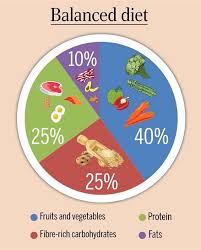
A balanced diet is one that provides an appropriate supply of all of the nutrients that our bodies require to sustain proper physiological activities. A balanced diet requires the seven key nutrients carbs, protein, fat, vitamins, minerals, water, and dietary fibre.
A balanced diet is one that includes carbs, proteins, fats, vitamins, and minerals in sufficient amounts to meet the body's needs. Pulses, grains, meat, eggs, vegetables, and fruits make up a well-balanced diet. It aids in the maintenance of health and strengthens the body's defences against major disorders.
There are four primary food types in a healthy diet. Vegetables and fruits, grains, milk products, and meats and substitutes are among them. A balanced diet can help you maintain a healthy weight and improve your overall health. It can lower the risk of heart disease, stroke, cancer, diabetes, and osteoporosis, among other disorders.
Varying people require different quantities of meals. The amount of food you eat is influenced by your age, body size, degree of exercise, and gender. Moderate amounts of milk and dairy products, meat, fish, or meat/milk substitutes, and restricted amounts of fat and sugar-containing meals are all part of a balanced diet.
Carbohydrate, protein, fat, vitamins, minerals, salts, and fibre must all be consumed in the proper quantities. You won't be able to develop correctly if there isn't enough protein. You will be exceedingly weary if you do not consume enough energy-containing meals. To "burn off" extra food, you can try increasing your physical activity.

Also Read :- What is the best diet plan?
.jpeg)