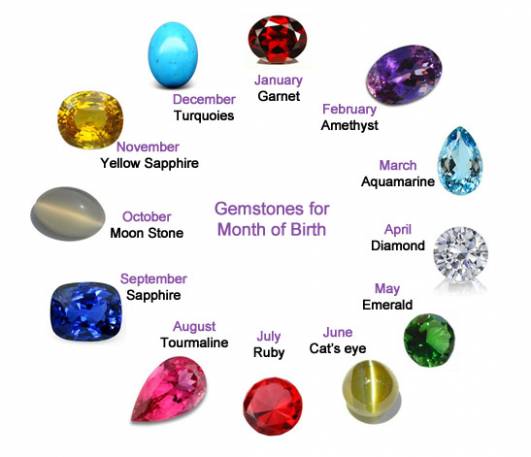

A gemstone is a naturally occurring mineral, rock, or organic material that is valued for its beauty, rarity, durability, and ability to be cut and polished for use in jewelry and decorative items. Gemstones have been admired for centuries and are often used in rings, necklaces, bracelets, earrings, and other ornamental pieces.
Most gemstones are formed deep within the Earth through natural geological processes that take place over millions of years. Factors such as heat, pressure, and the presence of specific minerals contribute to their formation. Some gemstones are mined from rocks, while others can be found in riverbeds or sediment deposits.
Gemstones are typically valued based on several key factors, including color, clarity, cut, and carat weight. A gemstone with vibrant color, good transparency, and a well-executed cut is generally considered more valuable. Rarity can also play a significant role in determining a gemstone's worth.
There are many different types of gemstones, each with unique characteristics. Some of the most well-known examples include diamonds, rubies, sapphires, emeralds, and amethysts. While some gemstones are considered precious because of their rarity and demand, others are classified as semi-precious stones.
Common Uses of Gemstones
1. Jewelry
The most common use of gemstones is in jewelry, where they are cut and polished to enhance their appearance.
2. Collecting
Many people collect gemstones because of their beauty, rarity, and geological significance.
3. Decorative Purposes
Gemstones are often used in artwork, carvings, and luxury decorative items.
4. Cultural and Traditional Uses
In various cultures, gemstones have historically been associated with traditions, symbolism, and special occasions.
In my opinion, gemstones are fascinating because they combine natural beauty with millions of years of geological history. Whether someone appreciates them for their appearance, rarity, or craftsmanship, gemstones continue to be valued across cultures and generations.
Overall, a gemstone is a naturally formed material that is prized for its beauty, durability, and rarity, making it a popular choice for jewelry, collections, and decorative applications.