
Although Brazil does not officially have a legally declared national dish, Feijoada is widely recognized as the country's national food. It is a hearty stew made primarily with black beans and various cuts of pork or beef, traditionally served with white rice, farofa (toasted cassava flour), collard greens, and orange slices. Because of its deep historical roots and nationwide popularity, feijoada has become one of the strongest culinary symbols of Brazilian culture.
Unlike many countries that have a single government-designated national dish, Brazil is known for its incredibly diverse cuisine influenced by Indigenous, African, Portuguese, and immigrant communities. Even so, if someone asks, "What is the national food of Brazil?", the answer you'll most commonly hear is Feijoada.
Dish at a Glance
| Feature | Details |
|---|---|
| Dish Name | Feijoada |
| Country | Brazil |
| Dish Type | Black bean and meat stew |
| Main Ingredients | Black beans, pork, beef, sausages |
| Common Side Dishes | White rice, farofa, collard greens, orange slices |
| Traditional Serving Day | Saturdays (in many restaurants) |
| Official National Dish? | No official legal designation, but widely regarded as Brazil's national dish |
What Is the Dish?
Feijoada is a slow-cooked stew that combines black beans with different cuts of pork and sometimes beef, allowing the flavors to develop over several hours.
The dish is usually served with:
-
White rice
-
Farofa (toasted cassava flour)
-
Sautéed collard greens
-
Fresh orange slices
-
Sometimes hot sauce
The combination creates a balanced meal, where the richness of the stew is complemented by the freshness of oranges and the texture of farofa. Today, feijoada is enjoyed across Brazil, from family gatherings to restaurants specializing in traditional Brazilian cuisine.
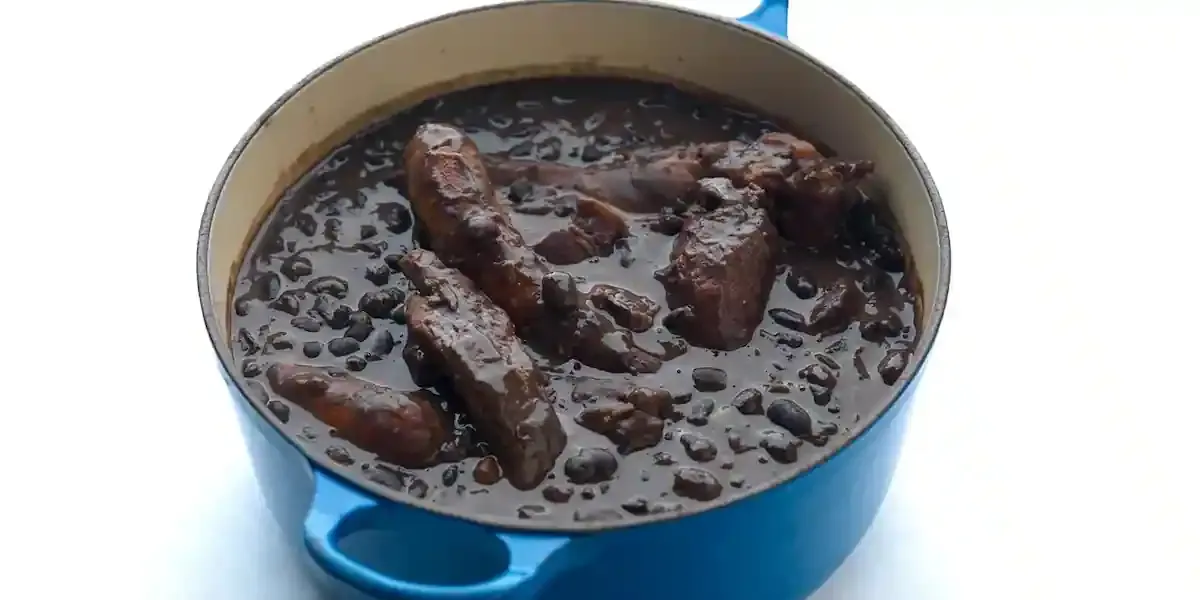
Main Ingredients
A traditional Brazilian feijoada commonly includes:
| Ingredient | Purpose |
|---|---|
| Black beans | Base of the stew |
| Pork sausage | Adds smoky flavor |
| Bacon | Richness and texture |
| Pork ribs | Traditional protein |
| Salted or smoked pork | Authentic flavor |
| Beef (optional) | Additional protein |
| Garlic & onions | Aromatics |
| Bay leaves | Flavoring |
| White rice | Traditional accompaniment |
| Farofa | Adds texture |
| Orange slices | Balance the richness |
Recipes vary from region to region and from household to household, so no single version represents all of Brazil.
History & Origin
The history of feijoada is both fascinating and debated.
A popular story claims that feijoada originated during Brazil's colonial period and was created by enslaved Africans using leftover cuts of meat. However, many food historians consider this explanation to be an oversimplification. Modern research suggests that Brazilian feijoada likely evolved from Portuguese bean-and-meat stews, particularly Portuguese recipes, while incorporating local ingredients and cooking traditions from Indigenous and African cultures.
Over time, feijoada became a dish enjoyed by people from all social backgrounds and eventually emerged as one of Brazil's best-known culinary traditions.
Regional Variations
Because Brazil is a vast country, feijoada is prepared differently in different regions.
| Region | Variation |
|---|---|
| Rio de Janeiro | Often considered the classic Brazilian feijoada |
| Bahia | May include regional seasonings and local ingredients |
| Southern Brazil | Different meat combinations are common |
| Northern Brazil | Local adaptations using regional ingredients |
These regional differences reflect Brazil's rich culinary diversity rather than a single standardized recipe.
Cultural Significance
Feijoada is much more than just a meal.
It represents:
-
Brazilian hospitality
-
Family gatherings
-
Weekend traditions
-
Cultural diversity
-
National identity
In many Brazilian cities, especially on Saturdays, restaurants prepare feijoada as a special menu item, making it a social dining experience shared with family and friends. It is also one of the first dishes recommended to international visitors who want to experience authentic Brazilian cuisine. Recent tourism and culinary surveys continue to rank feijoada among Brazil's most iconic traditional foods.
Nutrition Overview
The nutritional value of feijoada depends on the ingredients and portion size.
| Nutrient | Source |
|---|---|
| Protein | Pork, beef, beans |
| Fiber | Black beans |
| Iron | Beans and meat |
| Carbohydrates | Beans, rice, farofa |
| Healthy Fats | Depends on meat selection |
Because traditional feijoada can contain fatty cuts of meat, many modern recipes use leaner ingredients while maintaining its classic flavor.
Common Misconceptions
"Brazil officially declared feijoada as its national dish."
Not exactly.
Brazil has no officially designated national food, but feijoada is widely recognized as the country's national dish due to its cultural importance.
"Feijoada was created entirely by enslaved Africans."
Not entirely.
While this is a popular story, historians generally agree that the dish evolved from Portuguese bean stews adapted with Brazilian ingredients and influenced by Indigenous and African culinary traditions.
"Every feijoada recipe is the same."
No.
Recipes vary significantly between regions, families, and restaurants.
"Brazilians eat feijoada every day."
No.
While it's available throughout the week, it's traditionally associated with weekend meals, especially Saturdays.
Frequently Asked Questions (FAQs)
1. What is the national food of Brazil?
Although Brazil has no officially designated national dish, Feijoada is widely regarded as the country's national food.
2. What is feijoada made of?
Traditional feijoada is made with black beans, pork, beef, sausages, garlic, onions, and seasonings, and is commonly served with rice, farofa, collard greens, and orange slices.
3. Why is feijoada important in Brazil?
It reflects Brazil's multicultural history and has become one of the country's most recognized traditional dishes, enjoyed during family gatherings and special weekend meals.
4. Is feijoada spicy?
Generally, no.
Traditional feijoada is rich and savory rather than spicy, although some people add hot sauce according to their preference.
5. What other famous foods is Brazil known for?
Besides feijoada, Brazil is famous for picanha, pão de queijo, moqueca, brigadeiro, coxinha, and acarajé.
While Brazil does not officially designate a national dish, feijoada is widely recognized as the country's culinary icon. Combining black beans, flavorful meats, and traditional side dishes, it reflects centuries of cultural influences from Indigenous, African, and Portuguese traditions. More than just a recipe, feijoada represents Brazilian hospitality, family traditions, and the country's rich gastronomic heritage. Whether enjoyed in a local restaurant or prepared at home, it remains one of the most authentic ways to experience the flavors of Brazil.
Must Read: What is Brazil famous for?
 Answered by