
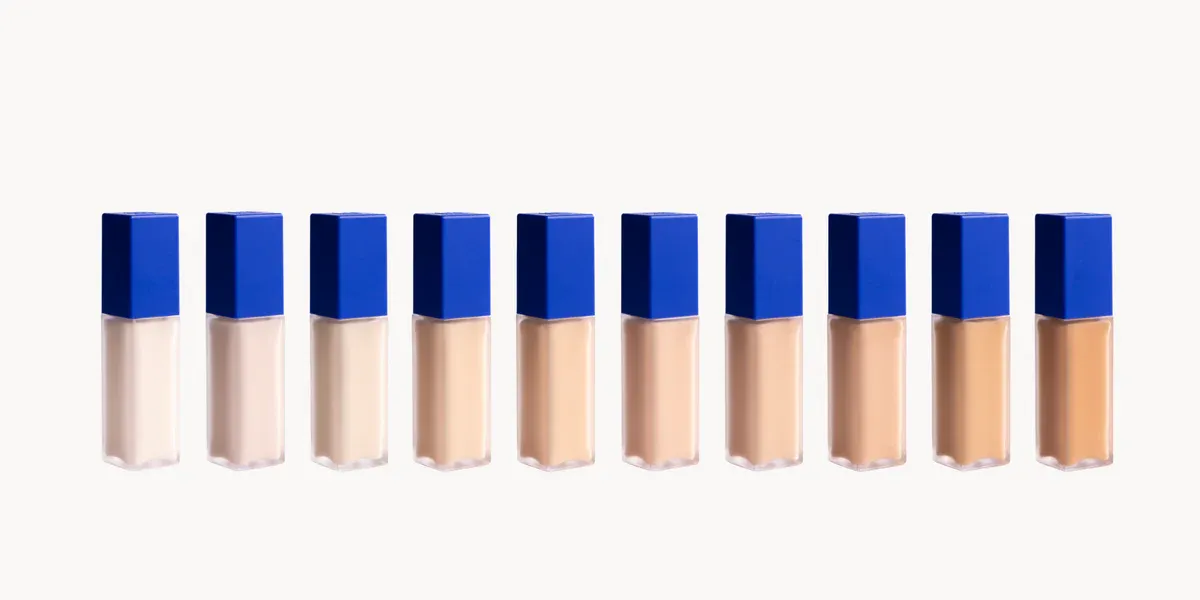
A concealer is a cosmetic product designed to hide or reduce the appearance of specific skin imperfections, such as dark circles, acne, blemishes, redness, hyperpigmentation, scars, and discoloration. Unlike foundation, which is applied across the entire face to create an even skin tone, concealer is used only on targeted areas that need extra coverage.
The primary purpose of concealer is to provide concentrated coverage exactly where it's needed, helping create a smoother, more even complexion without applying heavy makeup to the entire face. Today, concealers are available in various formulas and finishes, making them suitable for different skin types and makeup styles, from natural everyday looks to professional photography and bridal makeup.
Primary Purpose
Concealer serves several important purposes in a makeup routine.
Its main uses include:
-
Cover dark under-eye circles.
-
Hide acne, pimples, and blemishes.
-
Conceal redness and uneven skin tone.
-
Reduce the appearance of pigmentation and dark spots.
-
Brighten specific areas of the face.
-
Create a smoother-looking complexion.
-
Highlight facial features during makeup application.
-
Prepare the eyelids as an eyeshadow base (with suitable formulas).
Because concealer delivers higher pigmentation and coverage than most foundations, it is ideal for correcting localized imperfections while keeping the overall makeup looking natural.
Types
Different concealers are designed for different skin concerns.
| Type | Best For |
|---|---|
| Liquid Concealer | Dark circles, everyday makeup, most skin types |
| Cream Concealer | Moderate to heavy coverage, pigmentation |
| Stick Concealer | Blemishes, acne spots, travel-friendly use |
| Color-Correcting Concealer | Neutralizing redness, dark circles, discoloration |
| Hydrating Concealer | Dry or mature skin |
| Matte Concealer | Oily and combination skin |
| Brightening Concealer | Under-eye area and highlighting |
Choosing the right type depends on your skin type, coverage needs, and the area being concealed.
Benefits
Using concealer correctly offers several advantages.
-
Provides targeted, high-coverage correction.
-
Creates a brighter and fresher appearance.
-
Helps achieve a more even-looking complexion.
-
Reduces the need for heavy foundation.
-
Can make the skin look naturally flawless.
-
Suitable for everyday as well as professional makeup.
-
Available in formulas for different skin types and finishes.
One of the biggest advantages of concealer is that you don't need to apply makeup across your entire face. Many people use concealer alone to cover only the areas that need attention, creating a lightweight, "no-makeup makeup" look.
How to Use
Although application techniques vary depending on personal preference and skin type, a typical routine is:
-
Cleanse and moisturize your skin.
-
Apply primer if desired.
-
Apply foundation first (optional, depending on your routine).
-
Dab concealer onto areas that need extra coverage.
-
Blend gently using a sponge, brush, or fingertip.
-
Set with powder if longer wear is needed.
Most professional makeup artists recommend applying foundation before concealer because foundation often covers minor imperfections on its own, reducing the amount of concealer required. However, techniques can vary depending on the desired finish and specific makeup products being used.
Similar Products
| Feature | Concealer | Foundation |
|---|---|---|
| Main Purpose | Covers specific imperfections | Evens out overall skin tone |
| Coverage | Medium to full | Light to full (depending on formula) |
| Application Area | Targeted spots | Entire face |
| Pigmentation | Higher | Usually lighter and more blendable |
| Best For | Dark circles, blemishes, pigmentation | Creating an even complexion |
Think of it this way:
-
Foundation creates the base.
-
Concealer perfects the details.
Many people use both products together, while others prefer using only concealer for a lighter, more natural look.
Common Mistakes
Using the wrong shade
A concealer that's too light or too dark can make imperfections more noticeable instead of hiding them.
Applying too much product
Using excessive concealer may lead to creasing or a cakey appearance, especially under the eyes.
Skipping blending
Poor blending creates visible patches and uneven makeup.
Choosing the wrong formula
For example, using a matte concealer on very dry skin may emphasize dryness and fine lines.
Using concealer instead of color corrector
Very dark pigmentation or redness may require a color corrector before applying concealer for the most natural-looking result.
Common Misconceptions
"Concealer and foundation are the same."
No.
Foundation provides an even base across the face, while concealer delivers targeted coverage for specific imperfections.
"Everyone needs full-coverage concealer."
Not necessarily.
Many people achieve a natural look with lightweight or medium-coverage concealers, depending on their skin concerns.
"Concealer should always be lighter than your skin tone."
Not always.
A concealer that matches your skin tone works best for covering blemishes, while a slightly lighter shade is commonly used to brighten the under-eye area.
"Concealer is only for women."
Incorrect.
Concealer is simply a cosmetic product and is used by people of all genders for professional, personal, or cosmetic purposes.
Frequently Asked Questions (FAQs)
1. What is the main purpose of concealer?
The primary purpose of concealer is to hide specific skin imperfections such as dark circles, blemishes, redness, scars, and pigmentation while creating a smoother-looking complexion.
2. Can I use concealer without foundation?
Yes.
Many people use concealer alone to cover only the areas that need correction, resulting in a natural, lightweight makeup look.
3. Should concealer be applied before or after foundation?
In most makeup routines, foundation is applied first, followed by concealer for targeted coverage. However, techniques may vary depending on the desired finish and products used.
4. Can concealer hide dark circles?
Yes.
Concealer is one of the most common products used to reduce the appearance of under-eye dark circles. For severe discoloration, many makeup artists recommend using a color corrector underneath.
5. Is concealer suitable for everyday use?
Yes.
When chosen according to your skin type and applied correctly, concealer can be used daily as part of a regular makeup routine.
Must Read: What is a makeup setting spray, and how do you use it?
 Answered by