Answered on10/14/26
Corn flakes ..because it digest easily as compare to popcorn.
M
Author
0

Join this conversation
Corn flakes ..because it digest easily as compare to popcorn.
So, cornflakes or popcorn, which one is healthier? The comparison may seem strange – they both occupy a particular niche in the field of unhealthy snacks, both are made from corn and both tend to be eaten while watching TV. But when you get down to it, they have surprisingly little in common. While popcorn is an intact grain turned into a crisp white snack by high pressure, cornflakes are a processed product – flakes of corn that have been toasted, flaked and in most cases sweetened and fortified. The same crop, but a different journey towards the breakfast table. And the quality of that journey defines the value of food to the body. So let’s talk about it, no acronyms, no formulas. Simply, as friends do in a bar, just to make sure you know what you are getting into. First, the short version. Popcorn wins the race for health, as long as you eat the plain version. The more detailed answer is significantly more interesting, and there are a few gotchas you may want to consider before you run to the kitchen.
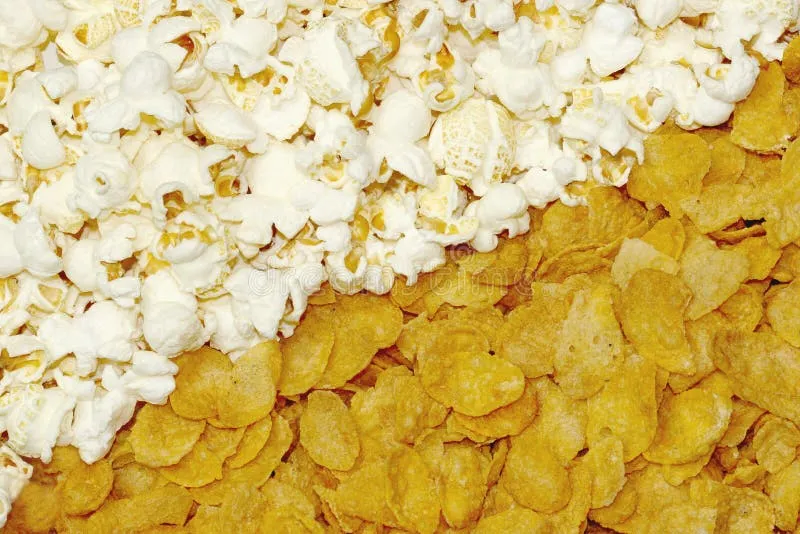
Let’s start from the popcorn, as it is my favorite. First, as you pop the kernels, you eat the whole grain, including the hulls, where most of the goodness is. Three cups of light popcorn contain about three to four grams of fiber for roughly a hundred calories – that is a remarkable ratio. Fiber is good in many ways – it slows down the digestion process and makes you feel full for a longer period of time, which is not a small matter when it comes to weight loss. And popcorn contains plenty of this healthy goodness, compared to other snacking options. It also contains a decent amount of polyphenols, a class of antioxidants similar to those in fruits and green tea, although that is probably the last thing one would think about when comparing cornflakes and popcorn. I would not call it a superfood, but it certainly is a whole grain, which is a rarity in the breakfast aisle. The third advantage is the volume – you can eat a lot of popcorn for very few calories. Which brings me to the next point – the ability to satisfy the hunger pang without feeling guilty is a definite plus for popcorn.
Now, on the cornflakes side of the story, the arguments are weaker. They are mostly made from refined corn – meaning all the healthy bits have been removed with some parts of the grain, leaving mostly starch. There is about a half a gram of fiber per serving in most cornflakes, sometimes even less – which is barely enough for a healthy digestion. Next is sugar, in various forms – most plain cornflakes are not that sweet, but frosted ones are drenched in sucrose, which is definitely not a plus for someone on a diet. But the biggest minus is the fact that cornflakes are digested quickly – they have a high glycemic index which means they can spike your blood sugar unnaturally. And this unhealthy spike will leave you hungry in about an hour or two, when the sugar rush wears off – which is definitely not conducive to healthy eating.
So, the major difference between cornflakes and popcorn is the ability to keep you full for a long time. Popcorn will provide you with fiber and volume, and you will need to eat several servings to feel satisfied, while cornflakes will send you on a rollercoaster – leave you hungry in a few hours and force you to snack more frequently. This is where blood sugar comes into play – a healthy, steady level keeps you energized throughout the day and is crucial for avoiding cravings. Another plus for popcorn is the fact that it generally has a moderate glycemic index, which means it will provide you with steady energy throughout the day. Now, if you are diabetic or have a sensitive metabolism, this is even more important, as spiked levels of blood sugar can be absolutely dangerous.
But let’s talk about the things that were not said. Adding milk to cornflakes is one of the options – the addition of protein and healthy fats will slow you down, keep your blood sugar from spiking too high. Thus, a bowl of cornflakes and milk is significantly healthier than plain cornflakes. But it still does not compare to popcorn in terms of nutritional value and long-lasting energy because of the very low fiber content in cornflakes. Popcorn has a slight edge in almost every category when compared to cornflakes, which might explain why it has gained so much popularity in the recent years. But there are a few things to remember, and most of them have to do with the preparation method.
The main weakness of popcorn is the fact that it usually needs additional ingredients to enhance the flavor. In moderation, butter or salt are not that bad for your health. But most movie theater popcorn is drenched in fat and sugar, sometimes to the point of being dangerous for heart health. There are microwave bags that can do wonders to your arteries if used too often – and it is best to limit the use of such additives to a rare treat. However, popping your own popcorn is not that difficult – a bag or an old popcorn machine will do the trick. Simply heat some oil and salt in your pan or waffle iron, add kernels and wait for your snack to be ready in about five minutes. As for the cornflakes, most brands today provide a decent option in terms of nutrition, but make sure to check the label for added sugars and go for the unsweetened variety. It is also best to add some fruits, nuts or seeds to your morning bowl to help keep you satisfied for longer. So it seems, that popcorn is a healthier option in most cases, but there are plenty of details to consider on either side of the story.
If you are wondering, "Which is better for health, cornflakes or popcorn?", the definitive answer is popcorn. Specifically, plain, air-popped popcorn is vastly superior for your health because it is a 100% whole grain packed with dietary fiber and antioxidants. Cornflakes, on the other hand, are a highly processed, refined carbohydrate with a high glycemic index that strips away the corn's natural fiber and usually contains added sugars or malt flavoring.
Corn is one of the most versatile crops on the planet, serving as the foundation for countless foods in the modern diet. When you walk down the grocery store aisle, two of the most popular corn-based items you will encounter are boxed cornflakes and kernels of popcorn. Because they both originate from the same yellow vegetable (or grain, botanically speaking), many people assume they offer similar nutritional profiles.
However, this could not be further from the truth. The journey from the farm to your bowl completely alters the health benefits of these two foods. So, which is better for health, cornflakes or popcorn? To answer this, we have to look past the marketing claims on cereal boxes and analyze how processing, fiber content, and the glycemic index impact your body. Let us dive into the ultimate nutritional showdown between these two popular snacks.
Popcorn is objectively the healthier choice, provided it is prepared correctly. When you eat popcorn, you are consuming the entire, unrefined kernel: the bran, the germ, and the endosperm. This makes it a genuine whole grain.
The most significant health benefit of popcorn is its incredibly high fiber content. A typical 3-cup serving of air-popped popcorn contains about 3.5 grams of dietary fiber but only clocks in at around 90 calories. This high fiber-to-calorie ratio keeps you feeling full and satisfied, aiding in weight management and digestion. Furthermore, popcorn contains high levels of polyphenols—powerful antioxidants that improve blood circulation and digestive health while reducing the risk of certain chronic diseases.
Cornflakes start as corn, but the intense manufacturing process ruins their nutritional value. To make cornflakes, the corn is milled, removing the nutrient-dense bran and germ. The remaining starch is then cooked, extruded, flattened, and toasted.
This extreme processing turns cornflakes into a refined carbohydrate. Refining strips away almost all the natural dietary fiber. As a result, cornflakes have a very high Glycemic Index (GI)—often scoring over 80 out of 100. This means that when you eat a bowl of cornflakes, your body digests them rapidly, causing a massive spike in your blood sugar levels followed by a rapid crash that leaves you feeling hungry again shortly after breakfast. Additionally, most commercial cornflakes are coated in sugar, malt flavoring, and high-fructose corn syrup to enhance their taste.
To clearly see the difference between these two foods, here is a summary table comparing their standard nutritional values (based on a generic 100-gram dry serving):
Nutritional Metric | Air-Popped Popcorn (100g) | Standard Cornflakes (100g) |
|---|---|---|
Dietary Fiber | ~13 grams to 15 grams | ~1 gram to 3 grams |
Added Sugar | 0 grams | ~8 grams to 10 grams (or more) |
Glycemic Index (GI) | Low to Medium (~55) | High (~81+) |
Processing Level | Minimal (Whole Grain) | Ultra-Processed (Refined) |
Satiety (Fullness) | Very High | Very Low |
To get the most out of your diet, how you prepare these foods matters just as much as what you choose. Keep these tips in mind:
Air-Pop Your Popcorn: Avoid microwavable popcorn bags, which are often lined with harmful chemicals (PFAS) and loaded with artificial trans fats and extreme amounts of sodium. Buy raw kernels and pop them in an air-popper or on the stove with a tiny amount of olive or coconut oil.
Season Smartly: Instead of drowning your popcorn in movie-theater butter, season it with nutritional yeast (for a cheesy flavor), a dash of sea salt, smoked paprika, or garlic powder.
Upgrade Your Cereal: If you absolutely must have cornflakes, look for organic, unsweetened brands. Better yet, switch to a genuinely healthy breakfast cereal like steel-cut oatmeal, bran flakes, or muesli to get your morning fiber fix.
Pair with Protein: If you eat cornflakes, pair them with a high-protein milk (like ultra-filtered milk or soy milk) and a handful of nuts to help slow down the blood sugar spike.
Is popcorn good for weight loss?
Yes. Because it is highly voluminous and packed with fiber, it takes up a lot of physical space in your stomach for very few calories. This makes air-popped popcorn an excellent snack for weight loss, as it prevents overeating.
Can diabetics eat cornflakes?
Medical professionals generally advise diabetics to avoid standard cornflakes. Their high glycemic index and lack of fiber cause rapid, dangerous spikes in blood glucose levels.
Are there healthy cornflakes?
While traditional brands are heavily processed, some health-food brands create "whole grain" corn flakes that do not strip the bran or add sugar. However, even these options are more processed than a simple bowl of oatmeal or a serving of fresh popcorn.
When deciding which is better for health, cornflakes or popcorn, the science clearly points to the movie-theater favorite—minus the artificial butter, of course. Air-popped popcorn is an incredible, fiber-rich whole grain that supports digestion and provides long-lasting energy. Cornflakes, despite their wholesome morning marketing, are an ultra-processed refined carbohydrate that acts more like sugar in your body. By swapping your processed cereal for whole-grain alternatives and embracing air-popped popcorn as your go-to snack, you can make a massive, positive difference in your daily nutrition.
Popcorn-If air-popped and gently prepared, at that point can be considered as solid bite. Notwithstanding, the additional margarine, sugar, and salt make this undesirable.