Choosing the best cooking oil can feel a bit overwhelming because there are just so many options on the shelf. Honestly, there isn't one single "perfect" oil for everything. It really comes down to what you are cooking and how high your stove heat is turned up.
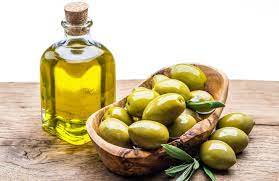
If you are looking for something heart healthy for everyday use, extra virgin olive oil is usually the go-to favorite. It is fantastic for sautéing vegetables, roasting, or just whisking into a salad dressing because it has great flavor and healthy fats. Just keep in mind that it doesn't love extremely high heat, so it might not be the best choice if you are doing a heavy sear or deep frying.
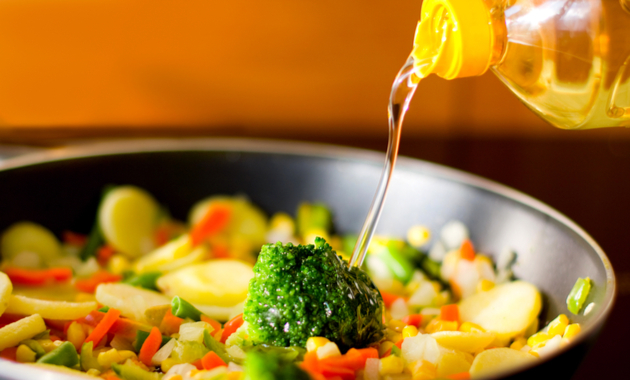
For those times when you need to cook at a higher temperature, like when you are stir-frying or grilling, you should look for oils with a high smoke point. Avocado oil is a superstar here because it can handle that high heat without breaking down, and it has a very mild, neutral taste that won't overpower your food. Canola and sunflower oils are also popular, reliable choices for frying because they are versatile and don't add a strong flavor to your dish.
Sometimes, you might want a bit of extra flavor, especially in specific cuisines. Coconut oil is wonderful for adding a nice, subtle tropical note to curries or even for some baking recipes, though it is higher in saturated fat. Similarly, if you are making an Asian-inspired dish, a little bit of toasted sesame oil goes a long way to add an incredible depth of flavor at the very end of your cooking.
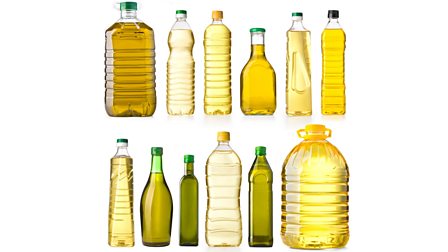
Ultimately, the best approach is to keep a few staples in your kitchen pantry. Having a reliable, high-heat oil like avocado or canola for frying and a flavorful oil like olive oil for lower-heat cooking and dressings gives you the best of both worlds. If you have any specific dietary needs or health concerns, it is always a smart idea to chat with a nutritionist to see what fits your lifestyle best.
.jpg&w=3840&q=75)