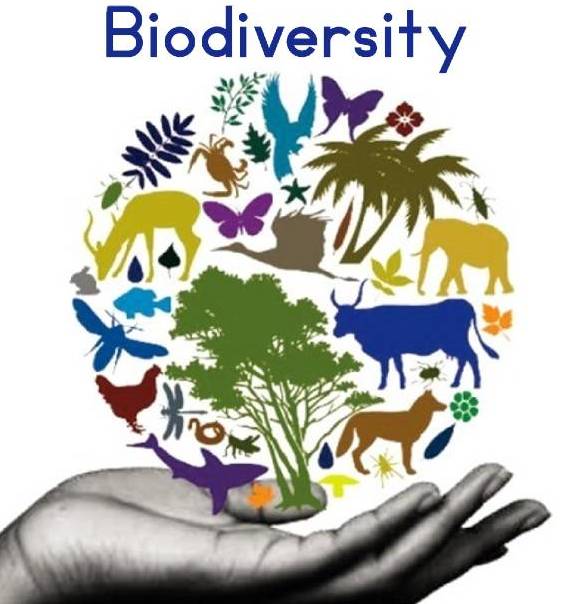
Biodiversity, as a conception, wasn't constructed by a single existence but rather surfaced from the collaborative understanding of ecologists, biologists, and environmental scientists over time. The term" biodiversity" is a carryall of" natural diversity," reflecting the variety of life forms within ecosystems. The recognition of biodiversity as a pivotal aspect of Earth's ecosystems evolved through scientific exploration and ecological studies.
The ultramodern understanding of biodiversity gained elevation in the final half of the 20th century as scientists realized the intricate interdependence of colorful species and their places in maintaining ecological balance. introducing numbers in the development of biodiversity generalities include famed ecologists and conservationists like E.O. Wilson, who stressed the significance of conserving natural diversity for the health and adaptability of ecosystems.
The term gained transnational recognition during the Earth Summit in Rio de Janeiro in 1992, where the Convention on Biological Diversity( CBD) was espoused as the first global convention devoted to the conservation of biodiversity. The CBD conceded the significance of biodiversity in sustaining life on Earth and emphasized the need for its conservation.
In substance, biodiversity is a scientific conception that evolved through the cooperative sweats of experimenters and scientists, with no single existence credited for its invention. It represents a holistic understanding of the uproariousness and variety of life forms on our earth and the interconnectedness of all living organisms.