
Quick Answer
If you are exploring ways to extend the shelf life of your groceries and wondering, "Why is dehydration an important food preservation method?", the answer comes down to moisture control. Bacteria, yeasts, and molds all require water to survive and multiply. By extracting the moisture from fruits, vegetables, and meats, dehydration effectively halts the growth of these spoilage-causing microorganisms. This simple, ancient technique not only prevents food from rotting but also locks in vital nutrients, intensifies flavor, and drastically reduces the size and weight of the food for easy, long-term storage.
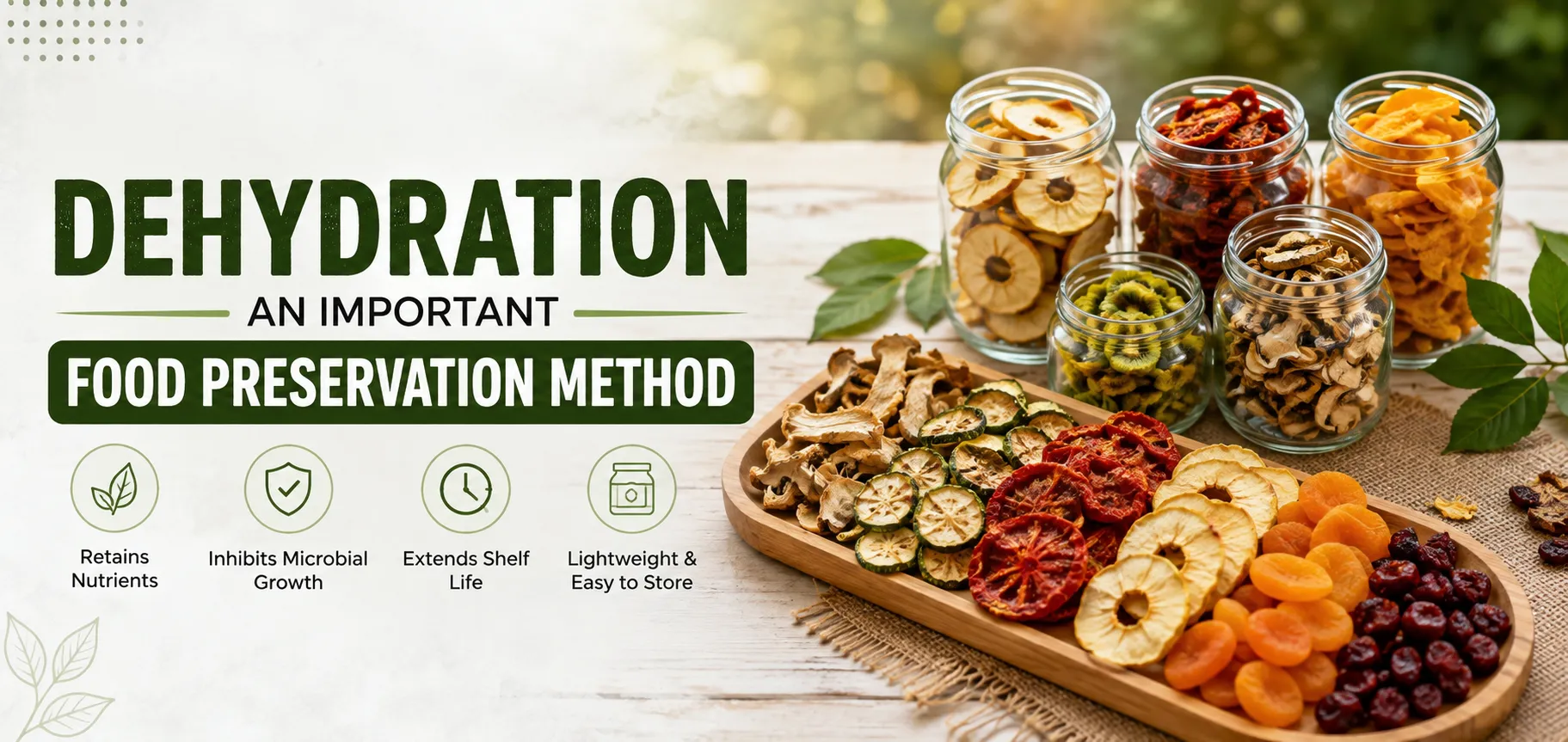
The Science of Removing Moisture
To understand why drying food is so effective, we must look at the biological needs of bacteria. Just like humans, microorganisms need a hospitable environment to thrive, and their number one requirement is water. In the world of food science, this is measured as "water activity" (Aw).
Fresh fruits and meats have a very high water activity level, making them the perfect breeding ground for mold and bacteria. When you subject these foods to a steady, low heat with good air circulation—whether through an electric dehydrator, an oven, or the sun—the water inside the food slowly evaporates. Once the water activity drops below a certain threshold (usually around 0.6 Aw), bacteria simply cannot survive. This natural biological blockade perfectly answers why is dehydration an important food preservation method.
Dehydration vs. Other Preservation Methods at a Glance
To better understand the value of drying your food, here is a quick comparison of dehydration against other popular preservation techniques:
Preservation Method | How It Works | Impact on Shelf Life | Impact on Nutrients & Flavor |
|---|---|---|---|
Dehydration | Removes moisture to stop bacterial growth. | Excellent (Months to years if stored properly) | Retains most nutrients; highly concentrates flavor. |
Canning | Uses high heat and pressure to kill bacteria and seal out air. | Excellent (1 to 5 years) | High heat can destroy heat-sensitive vitamins (like Vitamin C). |
Freezing | Lowers temperature to put microorganisms into a dormant state. | Good (6 to 12 months) | Excellent nutrient retention, but changes cellular texture upon thawing. |
Salting/Curing | Draws out moisture via osmosis and creates a hostile, salty environment. | Good to Excellent | Changes flavor profile entirely (very high sodium). |
The Core Benefits of Food Dehydration
Beyond just keeping food from spoiling, dehydration offers a multitude of practical benefits for home cooks, preppers, and outdoor enthusiasts:
Nutrient Density: Unlike boiling or high-pressure canning, the low heat used in dehydration ensures that the vast majority of vitamins, minerals, and enzymes remain completely intact.
Space and Weight Reduction: Water is heavy and takes up space. A dehydrated apple shrinks to a fraction of its original size and weight, making dried foods perfect for camping, backpacking, or maximizing pantry storage.
Flavor Intensification: When water is removed, the natural sugars and flavors in the food become highly concentrated. This makes dried fruits taste sweeter and herbs much more pungent.
Cost-Effective and Eco-Friendly: Dehydration is a fantastic way to prevent food waste. Instead of throwing away bruised apples or wilting spinach, you can dry them into apple chips or green powder for smoothies, saving money and reducing your environmental footprint.
Important Steps for Successful Dehydration
If you are ready to start preserving your own harvest, follow these crucial steps to ensure your food is safe and delicious:
Prep Carefully: Wash your hands and equipment thoroughly. Slice food uniformly so that all pieces dry at the exact same rate.
Blanch Certain Vegetables: Vegetables like carrots, corn, and peas should be briefly blanched in boiling water before drying to stop enzymatic actions that cause color and flavor loss.
Control the Temperature: Meats (for jerky) need a higher temperature (160°F / 71°C) to ensure safety, while delicate herbs and fruits require much lower heat (95°F - 135°F / 35°C - 57°C) to prevent the outside from hardening before the inside dries.
Conditioning: After drying fruits, place them in a loosely packed glass jar for a week. Shake the jar daily. If condensation forms, the fruit needs to go back into the dehydrator.
Frequently Asked Questions (FAQs)
Does dehydration destroy nutritional value?
No. While a small amount of Vitamin A and C may be lost due to air exposure, dehydration retains about 90% to 95% of the food's original nutritional value—far more than traditional canning.
Can you dehydrate food without a special machine?
Yes. While an electric dehydrator is the most consistent and efficient tool, you can easily use your kitchen oven set to its lowest temperature (usually around 170°F or lower) with the door propped open slightly to allow moisture to escape.
How long does dehydrated food last?
If properly dried, cooled, and stored in an airtight container in a cool, dark place, dehydrated fruits and vegetables can last for up to a year. Vacuum-sealing them with oxygen absorbers can extend this shelf life to several years.
Conclusion
When we ask, "Why is dehydration an important food preservation method?", we are looking at one of humanity's oldest and most reliable culinary techniques. By simply removing water, we remove the very environment that spoilage bacteria need to survive. Whether you are building an emergency food supply, preparing lightweight snacks for a hiking trip, or simply trying to reduce household food waste, dehydration offers a safe, nutrient-dense, and highly flavorful way to enjoy your favorite foods long after their natural season has passed.
Sources & References: National Center for Home Food Preservation (NCHFP)
Also Read: What is preservation