A
Aditya Singla· 8 years ago
Author

Why is investing in digital market getting beneficial day by day?

4
1.8K

Join this conversation

Sort By
Replying to the question above
Updated on06/05/26

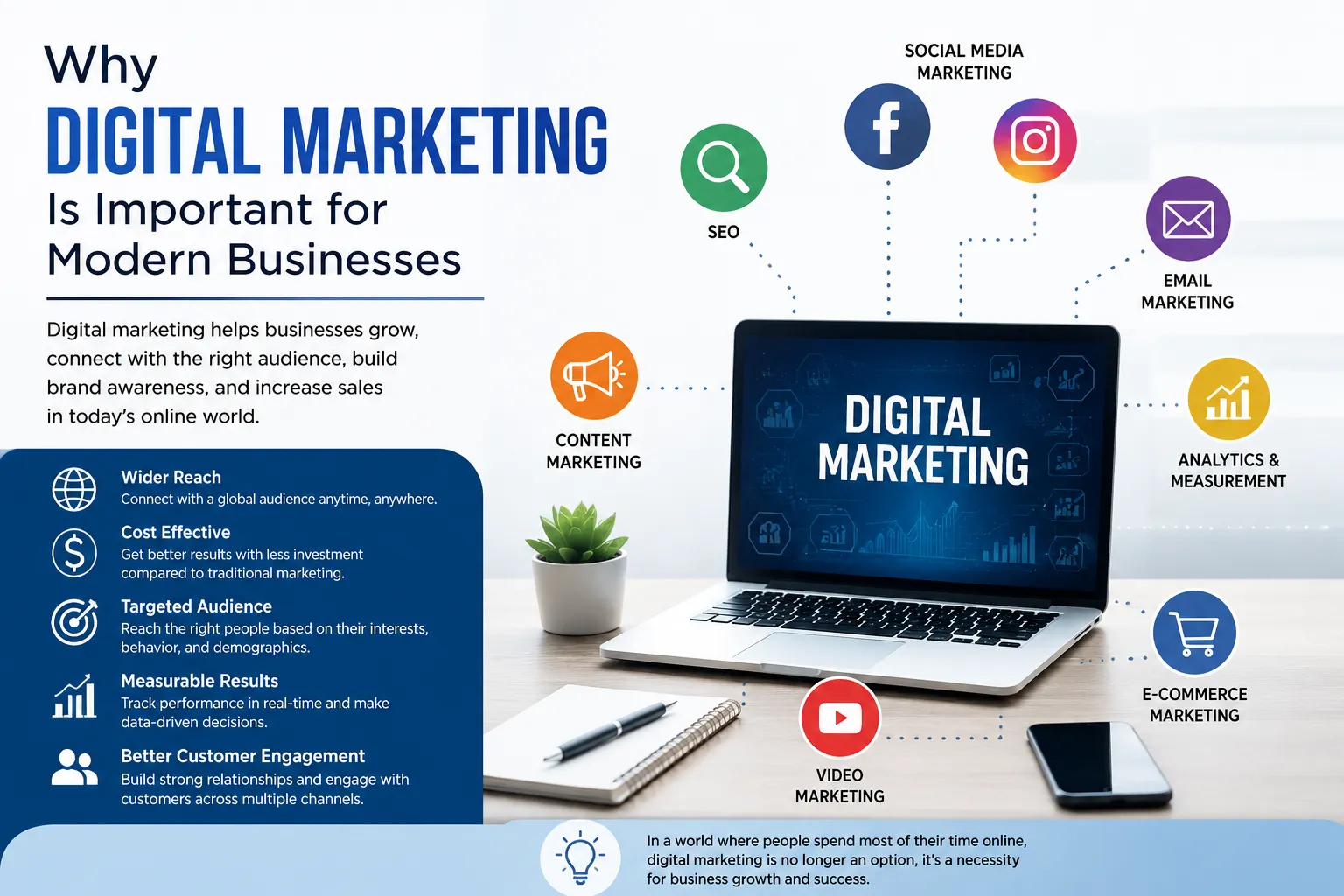
Investing in digital marketing is becoming more beneficial day by day because more people are using the internet, social media, and online shopping platforms, allowing businesses to reach larger audiences, increase brand awareness, generate more sales, and get better results at lower costs compared to traditional marketing.

 5519382-image-1780315827836-156493566

1
Replying to the question above
Updated on07/15/26

Digital marketing is becoming more beneficial every day because more customers are spending time online. It helps businesses reach the right audience, increase brand awareness, generate quality leads, and boost sales at a lower cost than traditional marketing. With measurable results, targeted advertising, and data-driven strategies, digital marketing delivers better ROI and supports long-term business growth

V
Author
View Profile
0
Replying to the question above
Answered on05/16/26

Digital markets are growing rapidly because internet usage, online shopping, digital payments, AI tools, and technology-based businesses continue expanding globally. Many investors see opportunities in sectors like e-commerce, fintech, cloud computing, social media, gaming, and artificial intelligence. Digital businesses often scale faster and reach global audiences more easily than traditional businesses. Remote work, smartphones, and online services have also increased demand for digital platforms.

However, digital investments can still be risky because trends, technology, regulations, and competition change quickly. Many experts believe digital markets may continue growing long term, but careful research, diversification, and understanding business models remain extremely important before investing money in rapidly changing technology sectors.

P
View Profile
0
Replying to the question above
Updated on04/03/26

Investing in digital marketing is becoming more beneficial day by day because the way people interact with businesses has completely shifted from offline to online. Today, consumers search, compare, and make decisions on the internet before choosing any product or service. As this behavior continues to grow, digital marketing becomes not just an option but a necessity.

To begin with, digital marketing offers unmatched reach. Unlike traditional marketing, which is limited by geography, online platforms allow businesses to connect with a global audience instantly. As internet usage increases every year, the potential customer base also expands, making digital investment more rewarding over time.

In addition, it provides cost-effective marketing solutions. Small and medium businesses can compete with larger brands using targeted campaigns, social media, and search engine optimization. As platforms evolve, businesses gain access to more advanced tools at lower costs, improving return on investment.

Moreover, digital marketing enables precise targeting and personalization. Businesses can reach specific audiences based on their interests, behavior, and demographics. As data analytics becomes more advanced, marketing strategies become more accurate, leading to higher conversions and better customer engagement.

Another important factor is measurability and real-time results. Unlike traditional methods, digital marketing allows businesses to track performance instantly. This helps in making quick adjustments and improving campaign effectiveness continuously.

Furthermore, the rise of content consumption—through blogs, videos, and social media—creates more opportunities for businesses to engage with their audience. As users spend more time online, brands that invest in digital marketing stay visible and relevant.

Finally, digital marketing supports long-term growth and brand building. Strategies like SEO, content marketing, and email marketing continue to deliver results over time, making it a sustainable investment rather than a one-time effort.

0
Updated on12/19/25

Let's answer this question with analogy to the worst case scenario- the biggest crash in the history of Indian stock market.

The worst crash was on two consecutive days-21 Jan and 22 Janduring the 2008 recession time. On both these days, the BSE IndexSensex fell over 2,000 points. Moreover, there were 7 trading days when the Sensex fell over 1,000 points in 2008.

Here is the graph of Sensex for last 30 years. Notice the big fall during 2008 market crash.

However, the point to note here is that even if you have invested at the peak of 2008 during the worst stock market crash, and stayed invested for the next 2 years, your investment would have bounced back. Moreover, if you had remained invested for the next 8-10 years, the returns would have been decent from the market.

It's no point denying that there is always a risk involved while investing in the stock market.

Nevertheless, if you are investing in fundamentally strong companies for long term, the risk can be minimised and you can get amazing returns from the market.

I hope it helps. Happy Investing.

3
0
Replying to the question above
Answered on11/05/25

Why is investing in digital marketing getting beneficial day by day?

Investing in digital marketing is becoming more beneficial each day because more people are spending time online for shopping, learning, entertainment, and communication. Businesses need to establish a strong digital presence to reach their audience where they are most active. Digital marketing offers targeted strategies, meaning brands can reach the right customers based on interests, location, age, and online behavior—resulting in higher conversion rates.

Compared to traditional advertising, digital marketing is more cost-effective and provides measurable results. Tools like analytics and performance tracking help businesses understand what is working and what needs improvement, leading to smarter decision-making and better return on investment (ROI).

With the continuous growth of social media, mobile usage, e-commerce, and search engines, the demand for digital visibility keeps increasing. Digital marketing helps businesses build brand awareness, engage directly with customers, and stay ahead of competitors. As the world becomes more technologically driven, digital marketing is no longer just an option—it's a major key to sustainable business growth and success.

S
View Profile
0
Replying to the question above
Answered on10/28/25

Investing in digital marketing is becoming more beneficial day by day because businesses increasingly rely on online platforms to reach their target audiences. With growing internet users, social media engagement, and e-commerce activity, digital marketing offers measurable results, cost efficiency, and global reach. It allows personalized advertising, real-time data tracking, and better ROI compared to traditional marketing, helping brands build stronger customer connections and long-term growth.

Z
View Profile

Zinavo is an award winning Bangalore based Web Design, Branding and Web Development Company. We are top web development companies in Bangalore past 10 years. Web development is our forte and we provide reinventing designs for your websites to shape your future business in India.

0
Replying to the question above
Answered on10/28/25

Investing in the digital market is becoming more beneficial as global businesses and consumers rapidly shift online, creating vast growth opportunities.
Advances in technology, data analytics, and accessibility make digital investments more scalable, profitable, and resilient.

J
View Profile
0
Replying to the question above
Answered on03/02/20
Digital Marketing is the best way to promote your products & also for marketing. The ROI of digital marketing is very much. So try Digital Marketing. It is booming day by day. You can market your self with a laptop & net connection.
A
View Profile
2
Updated on12/29/25

The first thing you need to do is spend time in learning the financial market. It’s essential. You cannot invest your money in stocks blind just because someone told you it will profit you. Getting the basic amount of knowledge is a must.

Spend time in theories and reading real-life experiences. Investopedia is one of the best sources to learn about thestockmarket. As for reading thereal-lifeexperience of investors/traders, LetsDiskuss is a great placetobegin with.

Indeed, stock trading is a long (LONG) learning curve. And even when you’re in this game for 10-20 years, you’re going to keep on learning new things. But when starting, you need to get your basics clear – like how the market functions, what factors affect the price rise and fall, what trading/investing strategies are best, how to map risk management strategies.

Once you’re done with that, start your research about which shares are doing good and which are doing bad. Identify few of the names in diverse industries. Once you have the names, learn more about those companies, beyond the price history of their stocks, like what kind of management the company has and what future plans does it have. You will gather around loads of data. Analyse them and see which stocks are best suited to purchase.

After having a handful of names, dig into the technical analysis to learn about price movement of those shares. Read what the charts are saying, understand where the price will move and what is the best entry position for you. If you’re going to do trading, you must spend more of your time in technical analysis. It’s also a good idea to consult an expert if you require more assistance. If you’re in this for a long-term, just invest your money in right stocks and at right time and you’re good to go!

Prreeti Radhika Taneja
Founder, LetsDiskuss.com | Ideate • Diskuss • Debate
View Profile

Founder of LetsDiskuss.com, a knowledge-sharing platform I started in 2010 and have built over 16 years into a trusted space to ideate, discuss and debate. An alumna of IIM Lucknow and BITS Pilani, I bring 25+ years of experience across technology, entrepreneurship and digital businesses. I began my career in SAP consulting, spending nearly a decade with Siemens and Accenture. I have also founded SnapShopHub.com and Blue Orbit Healthcare, working across international sourcing, e-commerce and healthcare exports. I believe ideas grow stronger when they’re shared, and LetsDiskuss is where those conversations live.

3
0
Replying to the question above
Answered on03/12/20
Today, People are using the internet for everything. Whether to buy anything or to learn or be updated about new things or even to pass their free time. And now the stats are increasing every day. So, for every business, there might be chances that people are looking for some services or products just like yours. If you are not having visibility of your business online, probably you are losing out on a great market. And never forget your competitors are already online and generating pretty good leads being online.
R
View Profile
2
Replying to the question above
Answered on01/08/21

Digital Marketing encourages you to advance your association's image items on various stages including online media organizing locales. Individuals who utilize these channels to peruse for the items or administrations they need to purchase can rate the nature of what your association is selling them by their experience


E
View Profile
2
Replying to the question above
Answered on07/24/20

Invest in digital marketing is very beneficial because. If you follow the best SEO process/ strategy for your business You can improve your position in the search engine results. You can also get the benefit of lead generation and link building. You can increase the visibility of your brand-customer engagement if you implement the best digital marketing strategies.

S
View Profile
2
Replying to the question above
Updated on07/23/20

In this technological era, Digital marketing is the main source to brand your website and channel through a paid advertisement, Content marketing, SEO technique, and many other process help to bring more traffic to your websites.

This also helps to increase the customer base.

S
View Profile
2
Answered on10/02/24

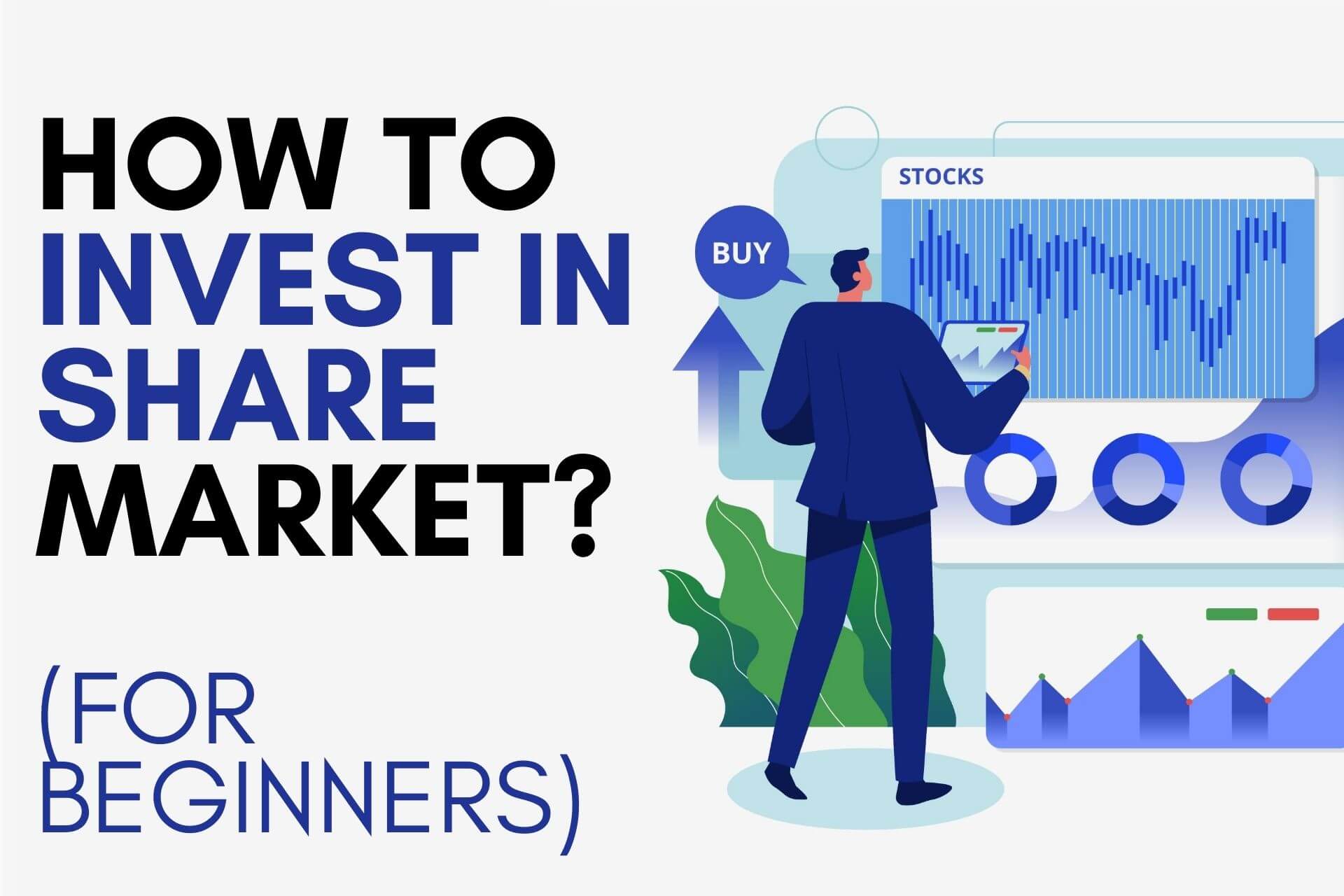
Investing in the share market can be an exciting and potentially lucrative endeavor. However, for beginners, the world of stocks can seem overwhelming. This blog post aims to demystify the process and provide actionable steps to help you start your investment journey with confidence.
 

Letsdiskuss


Understanding the Basics of the Stock Market

1. What is the Stock Market?

The stock market is a marketplace where shares of publicly traded companies are bought and sold. When you buy a share, you acquire a small ownership stake in that company. The value of your investment can fluctuate based on various factors, including company performance, market conditions, and economic indicators.


2. Key Terminology

Before diving deeper into investing, it’s essential to familiarize yourself with some key terminology:

  • Stocks: Shares that represent ownership in a company.
  • Dividends: Payments made by a company to its shareholders, usually as a distribution of profits.
  • Market Capitalization: The total market value of a company's outstanding shares, calculated by multiplying the stock price by the total number of shares.
  • Bull Market: A period during which stock prices are rising or are expected to rise.
  • Bear Market: A period during which stock prices are falling or are expected to fall.

Understanding these terms will help you navigate discussions about investing and make informed decisions.


Setting Investment Goals

1. Why Set Goals?

Before diving into investments, you should define your financial objectives. Establishing clear goals will help guide your investment strategy and decisions. Are you investing for long-term growth, retirement savings, or short-term gains? Understanding your risk tolerance and time horizon will also play a significant role in shaping your investment plan.


2. Types of Investment Goals

  1. Short-Term Goals: These might include saving for a vacation or an emergency fund. Investments for short-term goals typically focus on lower-risk options.
  2. Medium-Term Goals: This could involve saving for a down payment on a house or funding education. Medium-term investments may include a mix of stocks and bonds.
  3. Long-Term Goals: Retirement savings or building wealth over decades fall into this category. Long-term investments often involve higher-risk assets like stocks, which can provide greater returns over time.


3. Creating SMART Goals

When setting goals, consider using the SMART criteria:

  • Specific: Clearly define what you want to achieve.
  • Measurable: Establish criteria to measure progress.
  • Achievable: Ensure your goals are realistic and attainable.
  • Relevant: Align your goals with your overall financial strategy.
  • Time-Bound: Set deadlines for achieving your goals.

By following this framework, you can create actionable investment goals that keep you focused on your financial journey.


Choosing the Right Brokerage Account

1. What is a Brokerage Account?

Opening a brokerage account is a fundamental step for any investor. This account will allow you to buy and sell stocks, so it's essential to choose one that fits your needs. There are various types of brokerage accounts available:

  1. Full-Service Brokers: These brokers offer personalized services, including financial advice and portfolio management. They tend to charge higher fees but provide comprehensive support.
  2. Discount Brokers: These brokers offer lower fees and commissions but provide limited personal assistance. They are ideal for self-directed investors who prefer to manage their own portfolios.
  3. Online Brokers: Many investors now use online platforms that allow them to trade without human intervention. These platforms often come with user-friendly interfaces and educational resources tailored for beginners.


2. Factors to Consider When Choosing a Broker

When selecting a brokerage account, consider the following factors:

  • Fees and Commissions: Look for brokers with low fees and no hidden charges.
  • Investment Options: Ensure the broker offers access to various investment products like stocks, ETFs, mutual funds, etc.
  • User Experience: Choose an intuitive platform that makes it easy to navigate trading tools.
  • Educational Resources: Opt for brokers that provide educational materials or tools to help beginners learn about investing.


Opening a Demat Account

1. What is a Demat Account?

A Demat account is necessary for holding shares electronically. Without this account, you cannot trade in the stock market, making it a critical step for beginners. A Demat account simplifies the process of buying and selling shares by eliminating the need for physical certificates.


2. How to Open a Demat Account

  1. Choose a Depository Participant (DP): Select an authorized DP who will hold your Demat account.
  2. Complete KYC Requirements: Fill out Know Your Customer (KYC) forms and submit necessary documents such as identity proof, address proof, and PAN card.
  3. Verification Process: The DP will verify your documents before opening the account.
  4. Receive Account Details: Once verified, you'll receive your Demat account number and details on how to access it online.


3. Benefits of Having a Demat Account

  • Security: Reduces risks associated with physical share certificates.
  • Convenience: Facilitates easy buying/selling of shares without paperwork.
  • Automatic Updates: Dividends and bonuses are credited directly to your account without hassle.


Learning About Different Types of Investments

1. Individual Stocks vs. Mutual Funds vs. ETFs

Understanding the various types of investments available can help you make informed choices based on your risk tolerance and investment goals:

  1. Individual Stocks: Buying individual stocks allows you direct ownership in companies but comes with higher risk due to their volatility. Researching companies thoroughly is essential before investing in their stocks.
  2. Mutual Funds: Mutual funds pool money from multiple investors to invest in diversified portfolios managed by professionals. They offer instant diversification but typically come with management fees that can eat into returns.
  3. Exchange-Traded Funds (ETFs): ETFs function similarly to mutual funds but trade like stocks on an exchange throughout the day at fluctuating prices. They usually have lower expense ratios compared to mutual funds.


2. Risk Assessment

Each type of investment carries its own level of risk:

  • Individual stocks can yield high returns but also come with significant volatility.
  • Mutual funds provide diversification but may underperform compared to individual stocks during bull markets.
  • ETFs offer flexibility and low costs but may also be subject to market fluctuations.

Assessing your risk tolerance is crucial when choosing between these options.


Fundamental vs. Technical Analysis

1. Understanding Fundamental Analysis

Gaining knowledge in fundamental analysis is vital for making sound investment decisions. This approach focuses on evaluating a company's financial health by examining its earnings reports, balance sheets, cash flow statements, and industry position. Key metrics include:

  • Earnings Per Share (EPS): Indicates how much profit each share earns.
  • Price-to-Earnings (P/E) Ratio: Compares a company's current share price to its earnings per share; helps assess if it's overvalued or undervalued.

By analyzing these factors, investors can determine whether a stock is undervalued or overvalued based on its intrinsic value.


2. Understanding Technical Analysis

On the other hand, technical analysis looks at price movements and trading volumes to identify patterns that may indicate future price changes. Investors use charts and technical indicators such as moving averages or Relative Strength Index (RSI) to make predictions about short-term price movements.


3. Combining Both Approaches

Many successful investors use both fundamental and technical analysis together:

  • Use fundamental analysis to identify strong companies worth investing in long-term.
  • Employ technical analysis for timing entries and exits in trades based on price trends.

This hybrid approach can enhance decision-making processes when investing in stocks.


Diversifying Your Portfolio

1. Importance of Diversification

Diversification is key to managing risk in your investments. By spreading your investments across different sectors and asset classes—such as stocks, bonds, real estate—you can protect yourself from significant losses if one area underperforms.


2. How to Diversify Your Portfolio

  1. Asset Allocation: Decide what percentage of your portfolio should be allocated among different asset classes based on your risk tolerance (e.g., 60% stocks, 30% bonds).
  2. Sector Diversification: Invest across various sectors like technology, healthcare, finance, etc., so that poor performance in one sector doesn’t greatly impact your overall portfolio performance.
  3. Geographical Diversification: Consider investing in international markets or global funds to reduce country-specific risks associated with domestic investments.
  4. Use Index Funds/ETFs: These funds automatically provide diversification across multiple securities within one investment vehicle at low costs.


3. Benefits of Diversification

A well-diversified portfolio can help smooth out returns over time and reduce overall volatility while providing potential growth opportunities across different market conditions.


Starting Small: Dollar-Cost Averaging

1. What is Dollar-Cost Averaging?

For beginners, starting with small investments through dollar-cost averaging can reduce risk significantly. This strategy involves consistently investing a fixed amount over time—regardless of market conditions—allowing you to buy more shares when prices are low and fewer when prices are high.


2. Advantages of Dollar-Cost Averaging

  1. Reduces Emotional Decision-Making: By committing to regular investments regardless of market conditions helps prevent impulsive decisions driven by fear or greed.
  2. Mitigates Timing Risk: Since you're investing regularly over time rather than trying to time the market perfectly; this approach averages out purchase costs over time instead of risking large sums at potentially unfavorable moments.
  3. Builds Good Habits: Establishing routine contributions fosters discipline in saving/investing habits while growing wealth incrementally over time through compounding effects!


3. Implementing Dollar-Cost Averaging Strategy

To implement this strategy effectively:

  1. Choose an amount you're comfortable investing regularly (e.g., monthly).
  2. Set up automatic transfers from your bank account into your brokerage account each month so it becomes effortless!
  3. Stick with this plan regardless of market fluctuations; remember that patience pays off!

 

How Can Beginners Start Investing in Share Market?


Utilizing Stock Market Simulators

1. Why Use Stock Market Simulators?

Before investing real money, consider using stock market simulators to practice trading without financial risk! These platforms allow you to experiment with buying/selling stocks using virtual currency while tracking real-time market data.


2. Benefits of Stock Market Simulators

  1. Risk-Free Learning Environment: You can try different strategies without worrying about losing real money while gaining practical experience!
  2. Understanding Market Dynamics: Simulators help familiarize users with how markets operate—gaining insights into order types (market orders vs limit orders), execution speeds & more!
  3. Testing Strategies Before Actual Investment Decisions Are Made!
  4. Many simulators offer educational resources alongside simulated trading experiences—providing valuable insights into successful trading practices!


3. Recommended Simulators

Some popular stock market simulators include:

  1. Investopedia Simulator
  2. Wall Street Survivor
  3. TradingView
  4. Thinkorswim by TD Ameritrade (offers paper trading)

These platforms can help build confidence before stepping into real-world trading situations!


Staying Informed and Educated

1. Continuous Learning Is Key

Continuous learning is essential in the ever-evolving stock market! Stay updated with financial news through reputable sources such as financial websites like Bloomberg or CNBC; news outlets; podcasts; and newsletters dedicated specifically towards investing topics!


2. Educational Resources Available

Consider attending workshops/seminars hosted by experts within finance industry organizations! Online courses offered through platforms like Coursera or Udemy also provide structured learning experiences covering various aspects related specifically to stock trading/investing strategies!


Additionally:

1 . Join online forums/communities where experienced investors share insights/tips!
2 . Read books written by successful investors—such as "The Intelligent Investor" by Benjamin Graham or "A Random Walk Down Wall Street" by Burton Malkiel—to gain a deeper understanding of different approaches towards investing!


Understanding Market Volatility

1. Recognizing Volatility

Recognizing that the stock market is inherently volatile will prepare you for fluctuations in your portfolio's value! Prices can rise/fall dramatically due to various factors such as economic data releases, geopolitical events affecting investor sentiment, or even specific events like SpaceX company information influencing market reactions!


2. Developing Long-Term Perspective

Developing a long-term perspective helps weather these ups/downs without panicking/making impulsive decisions based solely upon short-term movements! Focus on fundamentals rather than daily price changes—remembering why you invested initially & keeping sight set towards achieving those original goals!


Seeking Professional Guidance

1. When To Seek Professional Help

If you're uncertain about navigating stock markets alone—consider seeking advice from financial advisors/investment professionals who can provide tailored guidance based on individual situations!


A qualified advisor helps create an investment plan aligning closely with specific goals while educating clients regarding different strategies/products available within the marketplace!


2. Finding The Right Advisor

When searching for an advisor look out for credentials such as Certified Financial Planner (CFP) designation ensuring they possess the necessary expertise needed to assist effectively! Also, consider checking reviews/testimonials from previous clients before deciding on whom to trust to manage finances!


Conclusion

Starting to invest in the share market can be an enriching experience if approached with knowledge/caution! By following these steps—understanding the basics about investing; setting clear goals; choosing the right accounts; diversifying your portfolio; and staying informed—you'll be well-equipped to become a confident investor! Remember that investing isn't just about making money—it’s also about learning from experiences along the way! Embrace the journey ahead! This informative blog post provides detailed insights into starting out in share market investing while maintaining clarity through structured subheadings throughout each section!

 

J
Seven years turning raw data and complex information into research that is clear, verified, and actually useful.
View Profile

John Andrew is a research analyst and content writer with over 7 years of experience conducting primary and secondary research across multiple industries. He holds a Master of Science in Applied Research Methods from the University of Edinburgh and a Bachelor of Arts in Social Sciences from the University of Manchester — an academic background that gives his writing a structured, evidence-based approach that distinguishes it from opinion-driven content. His content covers data analysis, industry research, policy evaluation, market trends, and cross-sector insights across topics that require depth, accuracy, and a methodical approach to evidence. His work has appeared on platforms including The Conversation, ResearchGate Blog, and Towards Data Science, where he writes for professionals, academics, and informed readers who need content built on verified research — not aggregated summaries of existing commentary. Over 7 years, John has produced research reports and analytical content for organisations across the public and private sectors, covering topics ranging from policy impact assessments to consumer behaviour analysis. He has published 150+ research-driven articles and reports, contributed to peer-reviewed publications, and is a member of the Market Research Society (MRS), UK. Across all his writing, every claim is sourced, every data point is verified against primary research, and no conclusion is drawn without identifying the evidence and its limitations — because research content that does not show its working is not research, it is assertion.

1
0
Replying to the question above
Answered on07/13/20
In today's world, modern technology plays an important role in boosting your business online. There are many benefits if you invest in digital marketing. You can improve your position in the search engine results if you follow the best SEO process for your business. You can also get the benefit of lead generation and link building. You can promote your products or services online using SMM techniques. You can increase your brand awareness and customer engagement if you implement the best digital marketing strategies. Finally, digital marketing helps to convert your online traffic to potential sales.
J
Author
View Profile
2
Replying to the question above
Answered on04/16/21
Digital marketing is the new way of marketing, adjusting to the phase of new normal companies have come up with investing in digital marketing companies and it is becoming beneficial day by day. Let’s see some of the reasons

1. It is a less costly process

2. It is a time as well as an energy saver

3. We can target more customer base via online platforms

4. Its builts brand value

5. There are chances of increasing ROI


A
View Profile

Nowadays businesses are trying to develop a robust digital marketing ecosystem with a multitude of global players, being an HR manager of L4RG USA LLC, my motive for several companies is to provide qualified digital marketing services, as well as Virtual Assistant services.

0