Answered on08/17/26
Moisturizing your face helps maintain skin hydration, softness, and a healthy-looking appearance.
It can also strengthen the skin barrier and reduce dryness, roughness, and flaking.
A
Spiritual Growth Mentor
0

Join this conversation
Moisturizing your face helps maintain skin hydration, softness, and a healthy-looking appearance.
It can also strengthen the skin barrier and reduce dryness, roughness, and flaking.
If you find yourself staring at your bathroom mirror, wondering, "Why is it important to moisturize?", the answer lies in protecting your body's most exposed organ. Your facial skin is subjected to harsh weather, UV rays, and pollution every single day. When you moisturize, you are replenishing the skin's natural protective barrier, locking in essential hydration, and shielding against environmental irritants. Skipping this crucial step can lead to severe dryness, premature aging, increased sensitivity, and even an overproduction of oil.
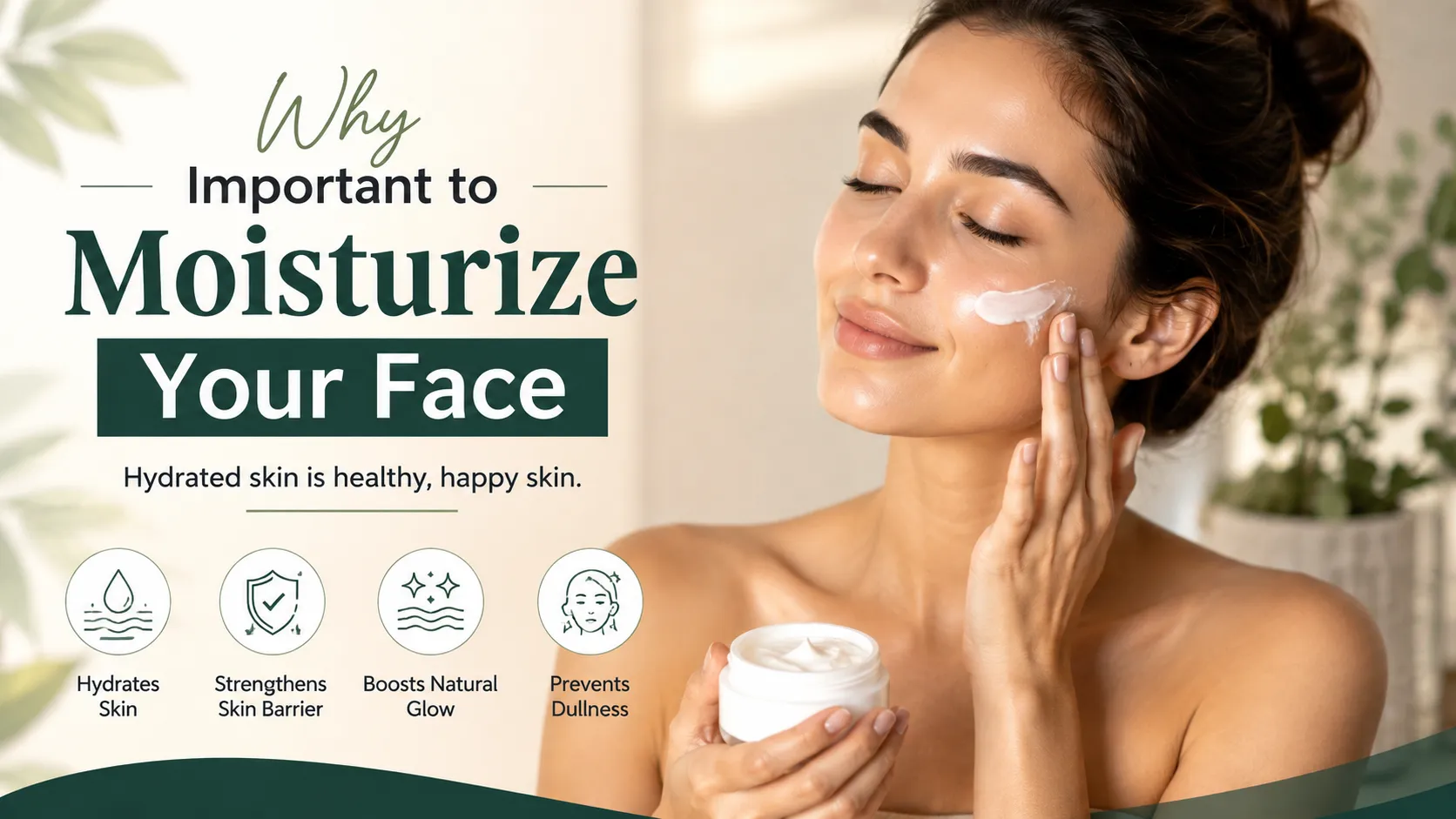
To truly understand the value of hydration, we have to look at the biology of the skin. The outermost layer of your skin is known as the stratum corneum, often described by dermatologists as a "brick and mortar" structure. Your skin cells are the bricks, while natural lipids (fats like ceramides and cholesterol) act as the mortar holding everything together.
Every day, factors like hot showers, harsh cleansers, cold winter air, and indoor heating strip away this natural mortar. This leads to a process called Transepidermal Water Loss (TEWL), where the moisture inside your skin literally evaporates into the air. When you moisturize your face, you are repairing that missing mortar. Quality face lotions contain humectants (which draw water into the skin), emollients (which smooth the surface), and occlusives (which form a seal to lock that water in). This ensures your protective barrier remains strong, plump, and resilient against daily wear and tear.
Not all skin is the same, but every single skin type requires daily hydration to function optimally. Here is a quick breakdown of how daily moisturizing positively impacts different facial skin profiles:
Skin Type | Primary Benefit of Moisturizing | Ideal Moisturizer Type |
|---|---|---|
Dry Skin | Prevents tight sensations, cracking, and severe flaking. | Rich creams and ointments packed with ceramides and hyaluronic acid. |
Oily / Acne-Prone Skin | Balances oil production by preventing the skin from overcompensating for dehydration. | Lightweight, non-comedogenic, water-based gels. |
Sensitive Skin | Creates a soothing barrier against environmental allergens and reduces redness. | Fragrance-free lotions with calming ingredients like aloe or colloidal oatmeal. |
Aging Skin | Plumps the skin to immediately reduce the appearance of fine lines and maintain elasticity. | Creams containing glycerin, squalane, and peptides. |
Knowing why you need to hydrate your face is just the first step; knowing how to apply it correctly makes a massive difference in the results. Follow these essential steps to get the most out of your daily skincare routine:
Apply on Damp Skin: The absolute best time to moisturize is immediately after washing your face, while the skin is still slightly damp. Applying cream at this stage traps the existing water on your skin's surface before it has a chance to evaporate.
Do Not Forget Your Neck: Your neck and décolletage are exposed to the same environmental stressors as your face and are often the first places to show signs of premature aging. Always blend your moisturizer down past your jawline.
Check Your Water Temperature: Washing your face with scalding hot water strips away natural oils almost instantly. Always use lukewarm water to cleanse your face, which protects your delicate lipid barrier.
Adjust for the Season: You might not need the same moisturizer year-round. Consider using a heavier, richer cream during the cold, dry winter months, and switching to a lighter, gel-based lotion during hot, humid summers.
Do I really need to moisturize if I have oily skin?
Yes, absolutely. This is one of the most common skincare myths. If you skip moisturizer, your face will become dehydrated. To compensate for this lack of water, your sebaceous glands will go into overdrive, producing excess oil that ultimately leads to more clogged pores and severe acne breakouts.
Does moisturizing my face prevent wrinkles?
While a basic lotion cannot permanently erase deep wrinkles, it is one of the best preventative measures available. A well-hydrated face stays plump and elastic, which prevents fine lines from forming prematurely and makes existing lines look far less visible.
What is the difference between humectants, emollients, and occlusives?
These are the three main components of a great moisturizer. Humectants (like glycerin) attract water into the skin. Emollients (like jojoba oil) smooth out dry patches. Occlusives (like petrolatum) form a protective layer over the skin to seal everything in and prevent moisture from escaping.
When people ask, "Why is it important to moisturize?", they often assume it is purely for cosmetic vanity. However, maintaining your facial skin's hydration is a fundamental part of your overall dermatological health. By taking just a few seconds every morning and evening to properly moisturize, you are actively repairing your skin's natural defenses, preventing painful irritation, and ensuring your complexion remains balanced, healthy, and vibrant for years to come.
Sources & References: American Academy of Dermatology (AAD)
Also Read: Why is it important to moisturize?
Moisturizing your face is important because it helps maintain the skin’s natural moisture balance and protective barrier. A good moisturizer can reduce dryness, roughness, and irritation while keeping the skin smooth and comfortable. Choose one that suits your skin type and use it regularly after cleansing.

Moisturizing your face is important because it helps maintain the skin’s moisture barrier, keeping skin comfortable, soft, and less prone to dryness.
Prevents dryness: Moisturizers help reduce water loss from the skin.
Supports the skin barrier: A healthy moisture barrier helps protect skin from environmental irritants.
Improves skin texture: Regular moisturizing can make rough or flaky skin feel smoother.
Reduces tightness: Dry skin can feel uncomfortable, especially after cleansing.
Helps balance oily skin: A suitable lightweight moisturizer can hydrate oily skin without necessarily making it greasy.
Supports healthy-looking skin: Well-hydrated skin often appears softer and more supple.
For most people, applying moisturizer twice daily—after cleansing in the morning and evening—is a simple routine. During the daytime, sunscreen should also be used, ideally after moisturizer.
The best moisturizer depends on your skin type. Dry skin may benefit from richer creams, while oily or acne-prone skin often feels better with lightweight, non-comedogenic formulas.
For a healthy and clear skin, the following tips are a must-
Keep your skin clean by washing with a face wash at least twice a day. Often times, dust and pollution in cities can leave your skin looking dull.
Always MOISTURIZE! I cannot stress this point enough. The key to a hydrated skin is as simple as a good old moisturizer that suits your skin type.
Never go to bed with a face full of make-up. Invest in a good cleanser to remove make up. If you don’t want to buy an expensive product, then coconut oil is an amazing
option. Not only is it natural and helps to remove make up with ease, it also nourishes the skin specially at this time of the year.
Occasionally, once or twice a week, make it a habit to use face masks or exfoliate your skin. You don’t need to spend tons of money on it. You could just simply use the various
things available in your kitchen. For example, Gram flour (besan) and curd can be used as a mask. It also helps to reduce tan and cools the skin while exfoliating.
Use sunscreen whenever you step out of the house. It doesn’t matter if its grey or cloudy outside. The sun rays are still very harmful and damaging to the skin even if you can’t see them.
Drink lots of water, at least 2 liters a day. This is the easiest most efficient way ofkeeping it hydrated and glowing.
Moisturizing your face helps keep your skin hydrated, soft, and comfortable throughout the day.
It can also help maintain the skin barrier and reduce dryness, flaking, and irritation.
Moisturizing your face helps keep your skin soft, hydrated, and healthy. It also supports the skin barrier, reduces dryness, and can help prevent irritation and premature signs of aging.

Using the right kind of moisturizer for your skin can help maintain its balance. When skin is too dry or too oily, many common skin problems like acne start to pop up. ... If your skin tends to be dry, look for a cream – they tend to have a higher oil content. Moisturizing can reduce the appearance of other blemishes.