Answered on09/03/26
Genuine leather can burn and char, but it smells like burnt hair. Check grain, texture, labeling, and water absorption for authenticity.
0

Join this conversation
Genuine leather can burn and char, but it smells like burnt hair. Check grain, texture, labeling, and water absorption for authenticity.
Yes, leather burns, but genuine leather usually chars slowly and smells like burnt hair instead of melting. Fake leather often melts, curls, and gives off a plastic smell. You can also check the grain, edges, and flexibility, as genuine leather usually feels more natural and develops character over time.
Genuine leather does not burn easily, but it will char and harden under sustained direct flame while emitting a distinct smell of burning hair. If the material catches fire quickly, melts, drips, or smells like burning plastic, it is synthetic leather (polyurethane or PVC). To verify genuine leather, look for natural surface imperfections, a fibrous underside, and an immediate absorption of water droplets rather than pooling.
Practical Observations from the Field
I’ve tested hundreds of leather samples using the fire test, and a common mistake is expecting genuine leather to be completely fireproof. It isn't. While it resists a brief flame, holding a lighter to it for more than 3 to 5 seconds will cause irreversible darkening and stiffening because you are essentially cooking the collagen proteins.
I’ve also noticed that modern synthetic leathers (specifically high-grade microfiber polyurethane) are engineered so well that they can easily fool the touch and smell tests. Relying on a single verification method usually leads to a false conclusion.
Advanced Verification Matrix: Genuine vs. Synthetic
Test Method | Genuine Leather Reaction | Synthetic Leather (PU/PVC) Reaction |
Flame Test (3 seconds) | Chars, shrinks, glows slightly; does not ignite. | Melts quickly, bubbles, drips, and catches fire. |
Aroma Profile | Earthy, rich, skin-like, or smells of burning hair when heated. | Chemical, petroleum-based, or plastic smell when heated. |
Water Droplet Test | Absorbs moisture within 15–30 seconds; darkens temporarily. | Water pools on the surface indefinitely; 0% absorption. |
Edge Structure | Rough, fibrous, and frayed edges showing natural corium layers. | Perfectly smooth, plastic-like, or fabric-backed edges. |
The Mechanics of the Burn Test
The chemical composition of animal skin consists heavily of cross-linked collagen fibers. When subjected to a standard butane lighter flame (which burns at roughly 1,900°C), the moisture and protein structure within genuine leather acts as a natural retardant for the first 2 seconds.
When testing, use a needle to pull a single fiber from an inconspicuous seam. Hold that fiber with tweezers and pass a flame over it. Genuine leather turns to a brittle, gray ash that crushes to powder. Synthetic leather melts into a hard, black plastic bead that cannot be crushed.
Also read: Types of leather jackets
Critical Edge Cases and Hidden Bottlenecks
The Finish Layer Trap: Many genuine leather goods are coated with a heavy acrylic topcoat or painted finish for color uniformity. During a flame test, this top layer will melt and smell like plastic, giving a false negative result even though the substrate is real leather.
Bonded Leather Deception: Bonded leather consists of shredded leather scraps mixed with polyurethane binders (usually 10% to 30% leather content). It will pass the smell test when cold, but it will melt and burn rapidly like synthetic leather due to the high plastic glue content.
Chrome-Tanned Reactions: Leather tanned using chromium salts can sometimes leave a faint greenish ash residue when burned, which is a normal chemical reaction of the tanning agents, not a sign of fake material.
Verification Workflow
Check the material label for specific terminology like "Full-Grain," "Top-Grain," or "Genuine Leather." Avoid items labeled "Man-Made Materials" or "Leatherette."
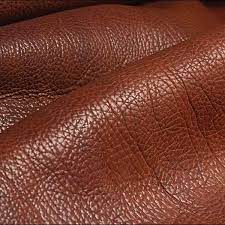
Inspect the pores under 10x magnification. Genuine leather features an irregular, imperfect pore pattern, whereas synthetic leather displays a perfectly repeating geometric print.
Apply pressure with your thumb. Real leather wrinkles around the pressure point like human skin; synthetic leather merely depresses under the finger while maintaining its surface tension.
Trusted Standards and Sources
International Council of Tanners (ICT) - Material Definitions: https://leatherisreal.org
American Society for Testing and Materials (ASTM) Leather Standards: https://www.astm.org/standards/leather.html

Leather is a material that is gotten from creature stows away or skins through an interaction called tanning. It is known for its solidness and intensity opposition, and that implies it is moderately hard to consume contrasted with numerous different materials. Notwithstanding, it is critical to take note of that cowhide can in any case consume in specific situations, particularly whenever presented to immediate and extreme intensity hotspots for a delayed period.
During the tanning system, the construction of the creature skin goes through synthetic changes that make it less vulnerable to consuming. The tanning system includes treating the stow away with a mix of synthetic compounds, oils, and colors to make it more impervious to intensity, dampness, and other ecological variables. This treatment assists with expanding the sturdiness and life span of the calfskin.
If you have any desire to decide whether cowhide is certifiable, there are a couple of techniques you can utilize:
1. Visual Review: Veritable calfskin has normal varieties in surface, markings, and defects that give it a novel and true look. These varieties are normally missing in engineered materials or phony calfskin. Search for inconsistencies, pores, and the shortfall of a reliable example, which indicate genuine cowhide.
2. Contact and Feel: Veritable cowhide has a particular vibe and surface. It is typically delicate, adaptable, and warm to the touch. Run your fingers over the outer layer of the cowhide and focus on its gracefulness and normal grain. Engineered materials frequently come up short on same material characteristics.
3. Smell: Cowhide has a particular scent that is challenging to recreate. Certified calfskin generally has a characteristic, natural fragrance, while manufactured materials might have a substance or plastic-like smell. Sniff the calfskin item and trust your faculties to recognize any uncommon or counterfeit scents.
4. Cost and Notoriety: Certified cowhide will in general be more costly than manufactured options because of the cycles associated with its creation. Be careful about very low-valued things, as they are bound to be produced using phony or lower-quality materials. Buy calfskin items from legitimate sources or confided in brands to guarantee credibility.
On the off chance that you are as yet uncertain about the realness of a cowhide item, looking for the guidance of a specialist or expert can give further confirmation.
Keep in mind, it's generally vital to regard and consider moral and reasonable practices while picking cowhide items. Search for affirmations, for example, the Cowhide Working Gathering (LWG) confirmation, which guarantees mindful ecological and social practices in the calfskin business.
I trust this assists you with seeing more about the consuming properties of cowhide and how to recognize veritable calfskin. Inform me as to whether you have any further inquiries or need extra data!

If this question was asked 5 years ago, I would say there is nothing known as digital marketing, but today, there are thousands of companies generating tonnes of revenue only with digital marketing. So there is tremendous scope provided you learn it form a good institute and also learning SEO will be an added advantage.

Genuine leather is naturally fire-resistant, while fake leather is not.
Genuine leather is made from animal hides, which contain natural oils that make them resistant to flames. Leather is also a dense material, which makes it difficult to ignite. In addition, leather typically retains some moisture content, which contributes to its reduced flammability.
Here are some of the features of genuine leather's reaction to fire:
Leather can burn, but it cannot melt.
Leather is naturally flame-resistant, meaning it is difficult to ignite and does not burn easily.
Leather shrinks and shrivels at temperatures below 390.2°F (199°C) instead of burning.
Leather can start to burn after around 10 seconds of consistent temperature, but some leather may take longer.
Leather can start to burn at temperatures hotter than 392°F (200°C), with higher quality leather requiring higher temperatures to catch fire.
Genuine leather is often used in high-heat situations, such as in firefighter gear and upholstery for public transportation. It is also a popular choice for furniture and other household items because it is durable and attractive.


Yes, leather can burn when exposed to flames or high temperatures, as it is a natural material primarily derived from animal hides. To determine if leather is genuine, you can perform a few tests. First, check for grain patterns and imperfections, as real leather often has unique textures. Second, smell it; genuine leather has a distinct, earthy scent. Finally, examine the edges – real leather will typically have rough, unfinished edges, while synthetic materials will have uniform, smooth edges.