Air pollution impacts children at almost every stage of development, from prenatal and infancy to adolescence. Air pollution, especially tiny particles known as PM2.5, can burrow deep into the lungs and make their way into the bloodstream, causing havoc in vital organs and possibly damaging the developing brain. Exposure has been linked to respiratory infections, asthma, poor lung development, and other chronic health risks.
My biggest fear is that young people have little control over their exposure themselves. Every day, they breathe the air around their homes, schools, playgrounds and streets. So, protecting children from air pollution is not just about the environment. It’s a health issue.
Air pollution can affect children’s lungs, hearts, immune systems and growing brains. It can make existing conditions such as asthma worse and can make you more susceptible to respiratory infections.
If you are exposed multiple times as a child, you may develop health problems that continue into your adult years.
Vulnerability of Children
Kids are not little adults. Their lungs, brains, and immune systems are still forming.
Young children also breathe faster than adults and breathe in more air per kg of body weight. So, they could be taking in a lot more pollutants. Their smaller airways and growing respiratory systems can also mean that the consequences of contaminated air are more significant.
Causes / Contaminants
Children can be exposed to pollutants from outdoors and indoors, including:
Vehicle emissions
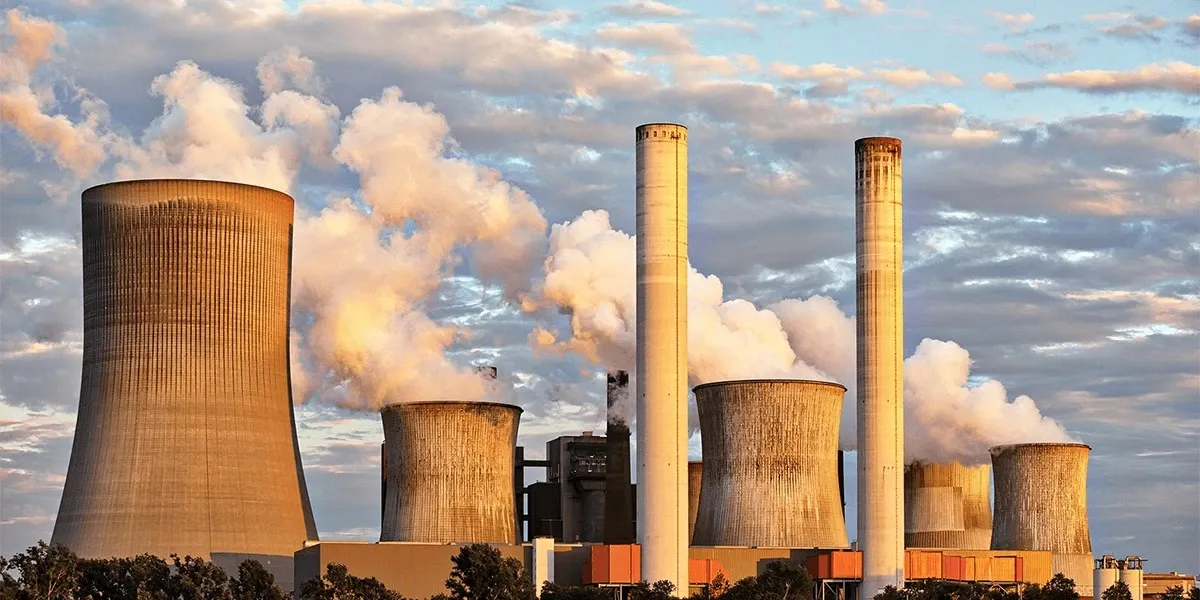
Industrial waste
Construction and road dust
Burning agricultural waste and residue
Wildfire smoke
Tobacco and second-hand smoke
Cooking and home heating using dangerous fuels
A particular concern is the PM2.5, as the microscopic particles can travel deep into the lungs and bloodstream.
Short-Term Impacts
Short-term exposure to polluted air may cause:
Cough
Wheeze
Breathing difficulty
Discomfort in the eye
Headaches
Fatigue
Worse asthma symptoms
High pollution levels might lead to greater symptoms for children with asthma or other breathing difficulties.
Long-Term Effect
The fundamental problem is one of long-term or repeated exposure.
Studies have demonstrated that exposure to air pollution in childhood can alter lung development and lead to respiratory disorders that can persist into adulthood. Air pollution can also influence the physical and cognitive development of children, and chronic illness due to pollution can have an indirect effect on education as youngsters leave school repeatedly.
Pregnancy & Baby Impact
Even before birth, there are effects of air pollution.
Pregnancy exposure has been associated with outcomes such as preterm delivery, low birth weight, and decreased fetal growth. “We know from research that exposure to particles during pregnancy could affect the healthy development of an unborn child.”
Clean air is particularly important for pregnant women, babies and young children.
Protection and Prevention
Parents can't control everything, but there are practical things parents can do to reduce children's exposure to air pollution.
Check the local air quality levels and, if pollution levels are high, limit strenuous outdoor activity.
Avoid exposing young children to smoke and heavy traffic, whenever possible.
Don't smoke around kids.
Cook with exhaust fans.
Use cleaner cooking and heating processes, where possible.
Staying indoors and employing good indoor air filtration (if available) can protect children from severe pollution incidents.
When to See a Doctor
If your child has a lingering cough, wheezing, tightness in the chest, a sudden shortness of breath, or worsening asthma symptoms, you should call your health care provider.
Special remark for babies or infants with breathing issues: If symptoms are severe or your child is having trouble breathing, seek urgent medical help.
Myths: Popular
“Air pollution is a children’s lung problem only.”
No.
Air pollution can affect various organs and systems, including the developing brain and cardiovascular system.
“Always safer indoors.”
Not necessarily.
Indoor air pollution can be caused by tobacco smoke, cooking fuels, household chemicals and poor ventilation.
“Healthy children don’t have to worry about pollution.”
Incorrect.
Youngsters with pre-existing respiratory conditions can be especially vulnerable, yet air pollution can affect all youngsters.
Frequently Asked Questions (FAQ)
1. Children and Air Pollution
It can result in more respiratory infections, exacerbate asthma, impair lung growth and perhaps damage other developing organs and systems.
2. Why is PM2.5 harmful to children?
PM2.5 particles are so small that they can penetrate deep into the lungs and make their way into the circulation, perhaps affecting organs all over the body.
3. Can air pollution harm unborn babies?
Yeah. Maternal exposure to air pollution has been linked to preterm birth, low birth weight, poor fetal growth, and other development problems.
Must Read: How do we prevent air pollution?
 Answered by