
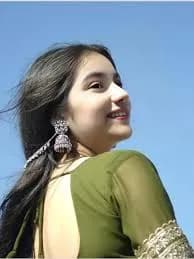
If you want to create realistic AI art as a beginner, the most important thing to understand is that a good prompt is more than just describing what you want to see. The best AI image prompts include details about the subject, environment, lighting, camera settings, colors, textures, and artistic style. The more specific and structured your prompt is, the more realistic and accurate the final image will be.
A simple way to write a good prompt is to follow this formula:
Subject + Environment + Lighting + Camera Details + Style + Quality
For example:
"A hyper-photorealistic portrait of a young woman standing in a bustling city street at sunset, golden hour lighting illuminating her face, realistic skin texture with visible pores and natural hair strands, captured on a Sony A7R V camera with an 85mm lens at f/1.4 aperture, shallow depth of field, cinematic composition, ultra-detailed textures, realistic colors, professional photography, 8K resolution, masterpiece quality."
When writing prompts, try to include details about the lighting because lighting often determines whether an image looks realistic or artificial. Terms such as golden hour lighting, Rembrandt lighting, cinematic side lighting, soft natural light, or dramatic studio lighting can significantly improve results.
Adding camera details like lens type, aperture, and camera model can also help create a professional photography look. Mentioning texture details such as realistic skin, fabric textures, reflections, shadows, and depth of field makes the image feel more lifelike.
Beginners should avoid overly short prompts like “realistic woman” or “beautiful landscape” because they leave too much room for AI interpretation. Instead, provide clear visual instructions and describe the scene as if you were directing a professional photographer.
The best AI prompts combine creativity with technical details, helping the AI understand exactly what you want while producing images that look natural, detailed, and convincingly realistic.
Want to Know Top 10 AI Images Prompt. Check this Out!