

We can reduce the harmful effects of pesticides by limiting unnecessary pesticide use, using Integrated Pest Management (IPM), selecting lower-risk control options when appropriate, carefully following product labels, protecting workers during application, avoiding contamination of soil and water, and minimizing avoidable exposure through food.
The answer is not to say “stop all use of pesticides.” Pesticides can protect crops against insects, weeds, fungi, and other pests, but depending on the chemical, dosage, and mode of exposure, they can also be dangerous to humans. A more pragmatic approach is to apply pesticides only when really needed and to manage pesticides properly throughout their life cycle.
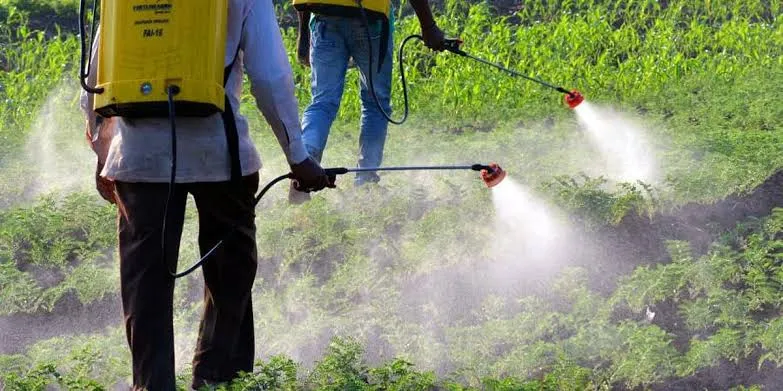
Integrated Pest Control
One of the best long-term approaches is Integrated Pest Management (IPM).
IPM relies on numerous pest-control measures rather than mechanically spraying chemicals. This could include monitoring of pest populations, prevention of infestation, crop management improvement, biological control, physical removal of pests and use of appropriate pesticides only when necessary.
IPM is an ecosystem approach that can reduce pesticide use and residues and improve the safety of food and water, according to the FAO.
That is the most practical manner since the question should not always be ‘What pesticide should we spray? First, it should be, “Do we have to spray anything at all?”
Safe Handling and Use
Proper handling can greatly reduce exposure when pesticides are needed.
Always read the label and follow directions for use. Depending on the material, this may include use of particular protective equipment; application of only the recommended amount; re-entry and pre-harvest intervals; and avoidance of applications that might unnecessarily expose other persons.
Store pesticides in their original labeled containers, safely out of reach of children, food, and animal feed.
Do not use empty containers for home usage and never put insecticides in beverage bottles or food containers.
Training is especially important for agricultural workers who mix, handle, or apply pesticides.
Environmental Conservation
Pesticides don't always stay where they're put. Depending on the chemical and application conditions, they may harm the soil, water, animals, beneficial insects, and neighboring ecosystems.
To lessen environmental harm:
When pesticides are not needed, avoid using them.
Don’t let spray drift to nearby locations.
Don’t pollute water bodies.
Use suitable application equipment.
Dispose of unwanted insecticides and containers in accordance with regulations.
Use biological, mechanical, or other safer means where possible.
IPM can also help maintain important ecosystem services like natural pest control and pollination.
Reducing Food Exposure
We, as consumers, may have little control over how pesticides are used in agriculture, but there are still some practical things we can do.
Wash fruits and vegetables in clean running water before you eat or prepare them. Peel fruit and vegetables as appropriate, but remember that peeling will take away some nutrients as well.
And a varied diet also means you're less reliant on one particular source of food.
It is vital to understand that pesticide residues are managed through maximum residue limits. WHO collaborates with FAO through international scientific assessments that form the basis of food-safety guidelines for pesticide residues.
I’d worry about eating fruits and vegetables solely because I’m scared of pesticides. A better answer is to handle produce properly and to promote farming practices that would reduce the need for excessive pesticide use.
Protection and at-Risk Groups
Special attention should be given to reducing the exposure of children, pregnant women, agricultural workers, and others who may have significant or repeated exposure to pesticides.
Do not allow children to play with pesticide containers or enter areas that have been recently sprayed in violation of label requirements.
Appropriate protective clothing and equipment for agricultural workers, and training and safe storage and washing facilities and procedures to deal with unintentional exposure.
If you think you’ve been exposed to pesticides and have symptoms, get appropriate medical assistance or call a poison control center immediately. If possible, take the pesticide label or product information with you to show the health care expert.
Frequently Asked Questions (FAQs)
1. What is the best strategy to reduce pesticides?
We advocate integrated pest management, which includes prevention, monitoring, biological and physical controls, and targeted pesticide application as needed.
2. Do Pesticides Impact People’s Health?
Yes, they can. Pesticides can be dangerous, and health effects depend on the type of pesticide, the amount, the time, and the route of exposure.
Must Read: What are the major dangers of pesticides to humans?
