Start inside your house, looking for water stains, wet spots, peeling paint, mold or the sound of dripping. Then check the attic directly above the location, and follow moisture marks up rafters or roof decking. Finally, inspect the exterior roof area of the attic for damaged shingles, flashing, vents, skylights, valleys or other possible entry points.
One thing I’d remember is that water in your ceiling isn’t where it came in on the roof. Water may flow over the roof decking and framework before it becomes apparent in your home.
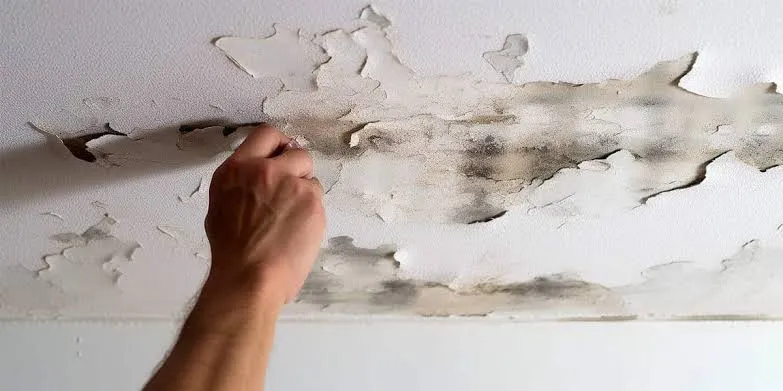
Symptoms of a Leak
Common symptoms of a roof leak are:
-
Brown or yellow stains on ceiling
-
Damp ceilings or damp walls
-
Flaking or blistering paint
-
Mildewy odors
-
Mold/Mildew
-
Damp insulation
-
Rain sounds pitter-patter
-
Damp attic roof decking
If these symptoms occur predominantly during or shortly after rain, then a roof leak is more likely. Similar sensations, meanwhile, can be caused by plumbing difficulties, HVAC leaks or moisture.
Inspect the attic
If you have easy access to your attic, this is often one of the greatest places to begin.
Take a flashlight and look above the visible ceiling stain. Watch for:
-
Moist or compacted insulations
-
Dark wood stains
-
Moist beams
-
Mold
-
Water trails
-
Stained roof sheathing
Don’t stare up at the stain on the ceiling. Go up the roof towards the moisture marks. Water tends to get in higher on the roof and run down before dripping.
My own advice is that if it can be done securely, check the attic during or just after a storm since the new moisture will make the trail much easier to see.
Common places leaks occur:
Once you’ve narrowed down the area, check common roof-leak locations.
They are:
-
Roof Flasing Roof Flasing
-
Roof and Plumbing Vents
-
Daylights
-
Valleys in roofs
-
Missing or damaged shingles
-
Dormer windows
-
Roof-wall junctions
-
Vent boots cracked
Special care of flashings. It is applied around roof seams and penetrations to keep out water, but it can eventually develop cracks, corrode or be poorly put, allowing leaks.
Instead of climbing on it immediately, you can first inspect your roof safely from the ground with binoculars. Look for missing, cracked, curled or broken shingles and evident problems around flashing.
If you still can't locate the leak, a controlled water test sometimes helps.
Have one person safely inside near the suspected leak, and another person spraying small areas of the suspected roof area with a garden hose from the bottom part, working their way up.
Spend a few minutes in each section before proceeding. If there is water inside, you can probably trace where it came in.
But don’t do this test if it’s unsafe to get on or get to the roof.
When to Get Professional Help
When should you call a professional roofer:
-
Your roof is hard to reach, or steeply pitched.
-
Roof unknown.
-
You're looking at some serious structural damage.
-
Electric wires are leaking water.
-
Basic investigation will not stop the leak.
-
It drips in multiple places.
-
You don’t want to work at heights or on ladders.
From a safety standpoint, I wouldn't want to be on a wet, damaged or steep roof just to find a leak. Working on a roof is dangerous and there is a real risk of falling. If the conditions are unsafe, then a professional should check the roof.
Frequently Asked Questions (FAQs)
1. What is the most common location of roof leaks?
Common places include flashing, chimneys, vents, skylights, roof valleys and damaged or missing shingles.
2. Why is the leak in the roof not directly above the ceiling stain?
Water can run down rafters, decking, insulation or other structural members before it drips into your ceiling.
3. Are clogged gutters responsible for roof leaks?
Water difficulties: Inadequate drainage or blocked gutters can cause water-related roof problems, especially where water cannot drain properly.
4. Can I detect a roof leak without being on the roof?
Yes. Usually. Ceiling stains, attic examination and ground-level external check using binoculars.
Must Read: What's the Best Roofing Type for Its Price?