
But before you start reaching for oils, shampoos, supplements or home cures, the first step to stop quick hair loss is to find out why it’s happening. Stress, sickness, nutritional difficulties, thyroid disorders, hormonal changes, certain drugs, alopecia areata, scalp ailments, or hereditary hair loss can all cause sudden or significant hair loss.
Normally, people lose around 50 to 100 hairs per day. If you suddenly notice much more shedding, clumps of hair, bald patches, or rapidly decreasing hair density, consider seeing a dermatologist.
From my perspective, one of the biggest mistakes is treating every type of hair loss in exactly the same way. Finding the underlying cause should come first.
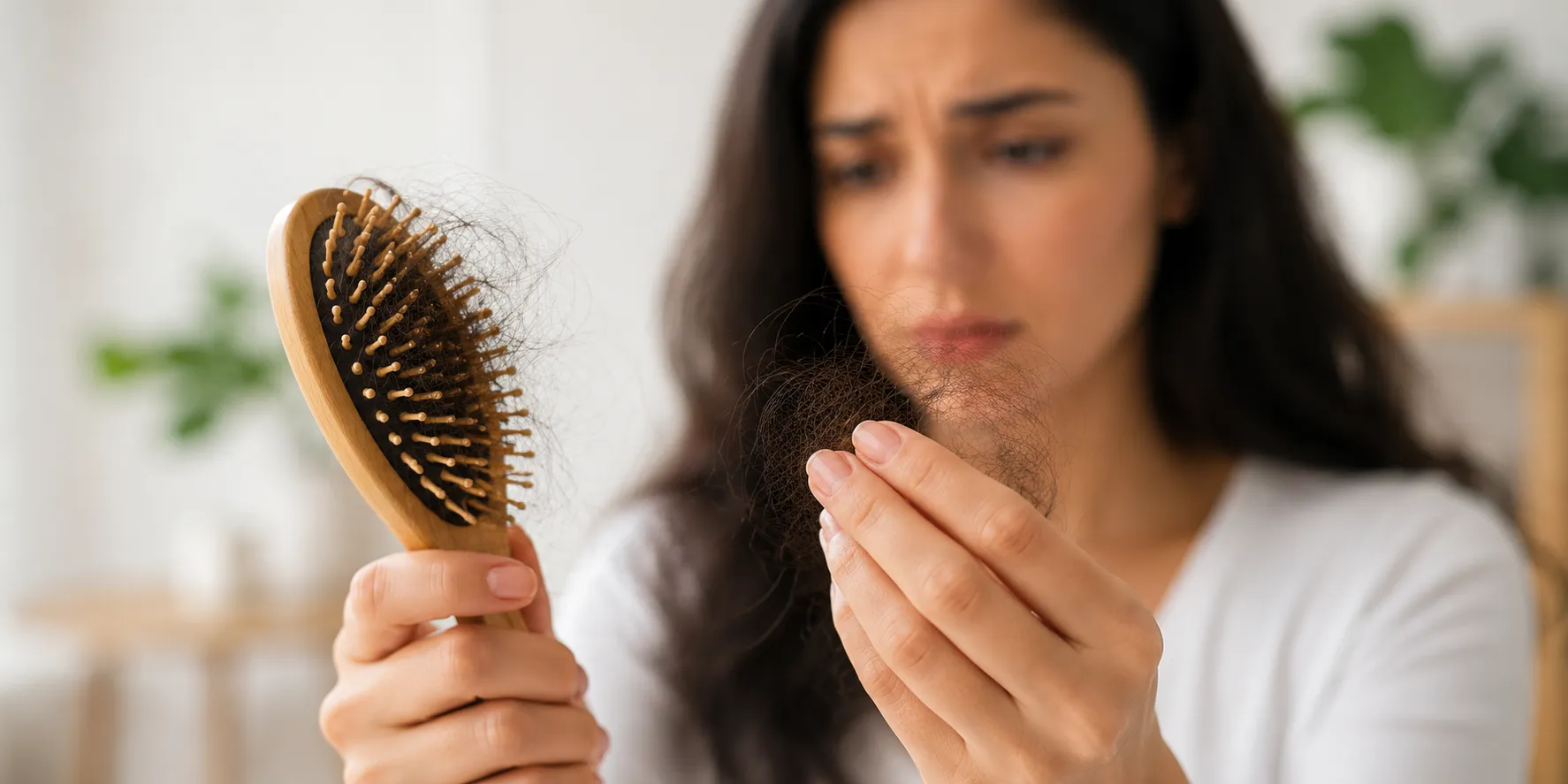
Possible Causes
Rapid hair loss may occur because of:
Significant physical or emotional stress
Recent illness, high fever, surgery, or major weight loss
Thyroid problems
Hormonal changes
Alopecia areata
Scalp infections
Certain medications
Tight hairstyles or damaging hair treatments
Hereditary pattern hair loss
Nutritional deficiencies or restrictive diets
The American Academy of Dermatology (AAD) emphasizes that hair loss has many possible causes, and the cause determines whether hair can regrow naturally or requires treatment.
Immediate Steps
If your hair is suddenly falling rapidly:
Avoid tight ponytails, buns, braids, and extensions.
Reduce straightening, curling, bleaching, and excessive blow-drying.
Use a gentle shampoo and moisturizing conditioner.
Handle wet hair carefully and avoid aggressive brushing.
Note when the shedding started and whether you recently experienced illness, stress, dietary changes, or started new medication.
Arrange a medical evaluation if the loss is sudden or significant.
Do not stop prescription medication on your own if you suspect it is causing hair loss. Discuss it with your doctor first.
Hair-Care & Lifestyle Support
A gentle routine can reduce additional breakage while you investigate the cause.
Eat a balanced diet containing adequate protein, iron, and other essential nutrients. Avoid crash dieting and unnecessary hair supplements.
Personally, I would focus on nutrition, sleep, stress management, and gentle hair care together rather than depending on one "anti-hair-fall" product.
The AAD also warns that excessive amounts of certain nutrients from supplements can actually worsen hair loss.
Treatment Considerations
Treatment depends entirely on the diagnosis. For example, treating an underlying thyroid disorder may improve related hair loss, while hereditary pattern hair loss may require specific treatment.
Minoxidil is one treatment used for certain types of hair loss, but it is not the correct solution for every cause. A dermatologist can determine whether it is appropriate for you.
When to See a Doctor
See a dermatologist or doctor if you experience:
Sudden or rapidly increasing hair loss
Circular or patchy bald spots
Hair coming out in clumps
Scalp redness, scaling, pain, or itching
Loss of eyebrows or eyelashes
Persistent excessive shedding
Sudden hair loss can sometimes indicate an underlying medical condition, so it should not simply be ignored.
Frequently Asked Questions (FAQs)
1. Can rapid hair loss grow back?
Yes, some types are temporary and can regrow once the trigger is addressed. Other types require treatment.
2. Can stress cause sudden hair shedding?
Yes. Significant physical or emotional stress can trigger excessive shedding, sometimes appearing months after the triggering event.
Must Read: 6 Tips to Prevent Hair Loss