A good home blood pressure monitor can remain accurate for years, but there isn't one universal expiry date after which every monitor suddenly becomes unreliable. Accuracy depends on the device quality, cuff condition, usage, storage, and whether the monitor was clinically validated in the first place.
The American Heart Association (AHA) recommends taking your home monitor to a healthcare professional about once a year, or as often as the manufacturer recommends, so its readings can be checked against office equipment.
From my perspective, this annual check is much more useful than assuming, "My machine is only three years old, so it must still be accurate." With blood pressure, a believable-looking wrong number is more concerning than a device that simply stops working.
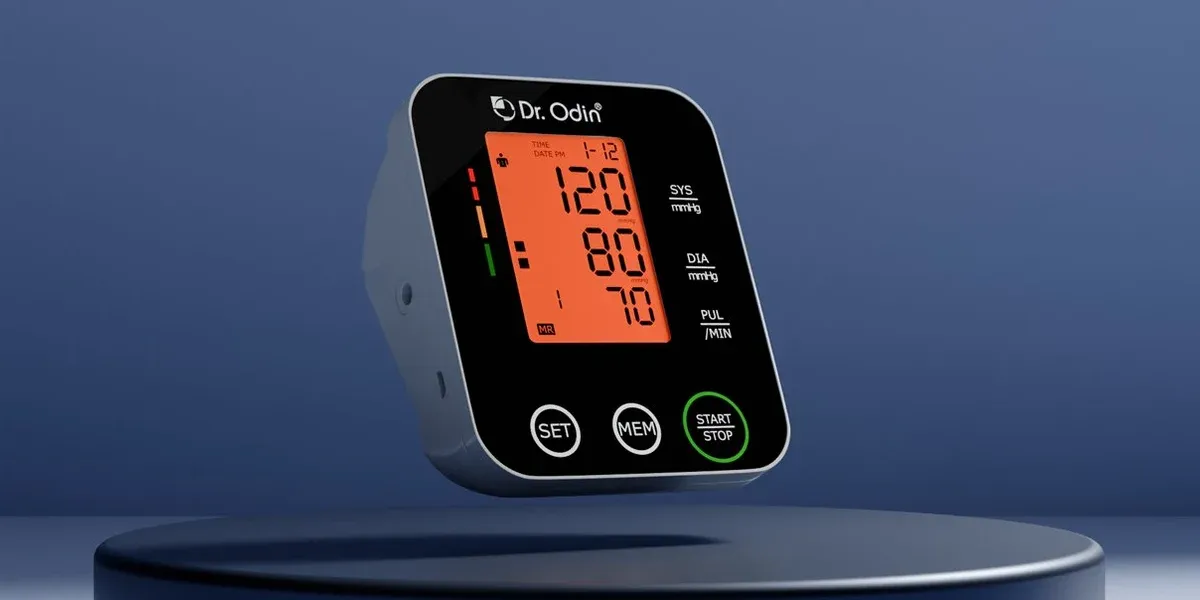
Accuracy Over Time
Digital blood pressure monitors contain electronic sensors and mechanical components that can potentially change with aging and repeated use.
The cuff also matters. A damaged bladder, worn Velcro, cracked tubing, or air leak can affect measurements even when the monitor itself switches on normally.
There is another issue people overlook: some home monitors were never properly validated for clinical accuracy to begin with. The AHA recommends choosing an independently validated automatic upper-arm cuff monitor.
Situation | What I would do |
|---|---|
Newly purchased monitor | Compare it at a medical appointment |
Regular home use | Check against clinic equipment yearly |
Readings suddenly seem unusual | Recheck technique and device |
The cuff/tubing is damaged | Replace appropriate components/devices |
Very old monitor | Check manufacturer guidance and accuracy |
How Often to Check
I would make the annual comparison part of a routine health appointment.
Take your machine along and ask the healthcare professional to check whether you're using it correctly and whether its results reasonably match their equipment. That's also the current AHA recommendation.
If your manufacturer specifies a particular inspection, servicing, or replacement interval, follow that guidance too.
Warning Signs
Don't wait for the yearly check if something suddenly seems wrong.
I'd investigate if:
Readings become unusually inconsistent.
Results differ substantially from clinic measurements.
The cuff no longer inflates normally.
Air appears to leak.
Tubing or cuff material is damaged.
The device repeatedly shows errors.
Results suddenly change without an obvious reason.
Remember that blood pressure itself naturally varies, so one unexpected reading doesn't automatically mean the machine is broken.
Cuff & Technique
Honestly, I'd check technique before blaming the monitor.
The wrong cuff size can produce inaccurate results. The AHA recommends measuring on a bare upper arm using a correctly sized cuff, resting quietly for at least five minutes beforehand, keeping your back supported and feet flat, and keeping your arm supported at heart level.
Upper-arm monitors are generally preferred. Current AHA guidance says wrist and finger devices tend to provide less reliable readings.
So if your home and doctor's readings don't match, don't immediately throw the machine away. Your cuff size, position, recent caffeine, exercise, talking, or lack of rest may be affecting the result.
Maintaining Accuracy
To get reliable readings for as long as possible:
Store the monitor somewhere dry and protected.
Don't sharply fold or damage the air tubing.
Keep the cuff clean according to manufacturer instructions.
Use the correct cuff size.
Replace batteries when necessary.
Don't drop the monitor.
Compare it with professional equipment periodically.
Frequently Asked Questions (FAQs)
1. Should I replace my blood pressure monitor every few years?
Not automatically. There is no single replacement interval for every model. Follow manufacturer guidance and have accuracy checked periodically.
2. How often should a home BP monitor be checked?
The AHA recommends bringing it to a healthcare appointment about once a year, or according to manufacturer recommendations.
Must Read: How do you control high blood pressure and diabetes?
 Answered by