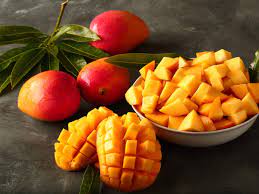
There are hundreds of recognized mango varieties worldwide, and India alone is often described as having more than 1,000 named varieties and local cultivars. Not all of them are grown commercially, which is why most of us regularly see only a small selection such as Alphonso, Dasheri, Langra, Kesar, Chausa and Banganapalli.
India's mango diversity is genuinely huge. ICAR continues to conserve mango germplasm and develop improved varieties, including CISH Ambika, CISH Arunika, Arka Udaya and Pusa Arunim.
Personally, mango is one fruit where I don't think saying "I like mangoes" tells the complete story. A Langra and an Alphonso can taste so different that your favorite often depends entirely on the variety.


Number of Indian Varieties
There isn't one universally fixed count because India has commercial cultivars, regional varieties, hybrids and locally maintained mango types.
India is also the world's largest mango producer, according to ICAR.
A simple way to understand the diversity is:
Mango variety | Strongly associated region | Known for |
|---|---|---|
Alphonso | Maharashtra | Rich, creamy flavour |
Kesar | Gujarat | Sweetness and aroma |
Dasheri | Uttar Pradesh | Sweet, soft pulp |
Langra | Uttar Pradesh | Distinct flavour, green skin |
Chausa | North India | Very sweet, juicy pulp |
Banganapalli | Andhra Pradesh | Large, relatively fibreless fruit |
Himsagar | West Bengal | Sweet, aromatic pulp |
Totapuri | South India | Firm, tangier flavour |
Popular Indian Mangoes
Alphonso probably gets the most premium reputation, but I wouldn't automatically call it the "best mango."
Dasheri has its own loyal following, particularly in North India. Kesar is loved for its colour and aroma, while Langra has a flavour that is quite difficult to confuse with anything else.
Then there are regional varieties that someone from another part of India may barely have heard about.
That's what makes Indian mango culture interesting: the answer to "Which mango is best?" can start an unnecessarily serious family debate.
Global Varieties
Mango diversity goes far beyond India.
Popular international cultivars include Tommy Atkins, Kent, Keitt, Haden and Ataulfo. Different cultivars have spread through tropical and subtropical regions of Asia, Africa, the Americas, and Australia.
Commercial varieties can also differ from locally preferred ones because exporters need characteristics such as shelf life, transportability, appearance and consistent ripening—not just taste.
How Varieties Differ
Mango varieties can differ dramatically in:
Taste → Sweetness → Aroma → Fibre → Colour → Shape → Fruit size → Seed size → Ripening season → Shelf life.
So mango varieties aren't simply different names for essentially the same fruit.
Which Mango to Choose
For rich, creamy sweetness, I'd try Alphonso or Kesar.
For juicy summer mangoes, Chausa and Dasheri are great choices. Langra is worth trying if you want a distinctive flavour, while Totapuri's firmer and tangier character makes it useful for processing and recipes.
Personally, I'd buy mangoes by season rather than obsessing over one variety throughout summer. Some varieties taste incredible during their natural peak and pretty average outside it.
Frequently Asked Questions (FAQs)
1. How many mango varieties are there in India?
India has hundreds of cultivated and regional mango types and is widely associated with more than 1,000 named varieties, although there is no single definitive count covering every local cultivar.
2. Which mango is most famous in India?
Alphonso, Dasheri, Kesar, Langra, Chausa and Banganapalli are among the best known.
3. Are all mango varieties sweet?
No. Sweetness, acidity and flavour vary considerably between cultivars.
4. Does India develop new mango varieties?
Yes. ICAR institutes continue mango breeding and varietal development.
Must Read: Can diabetics eat mango?