
Answered on10/22/24
HOW TO CREATE A PERFORMING DIGITAL MARKETING STRATEGY
1. Define Your Goals:
- Make sure that those objectives are specific and quantifiable (e.g., site traffic increased by 30% in six months, 100 leads produced in a month).
- Make sure that the goals are in many respects the same as the overall business goals.
2. Understand Your Audience:
- Market research is necessary for every business and includes the identification of the demographics, interests, and behavior of the target audience.
- Buyer personas are created to customize and hone marketing efforts and messages.
3. Analyze Your Competition:
- It is important to study the competitors and their strengths and weaknesses.
- Evaluation of the use of their digital marketing techniques and strategies and the possibilities of doing better.
4. Choose Your Digital Marketing Channels:
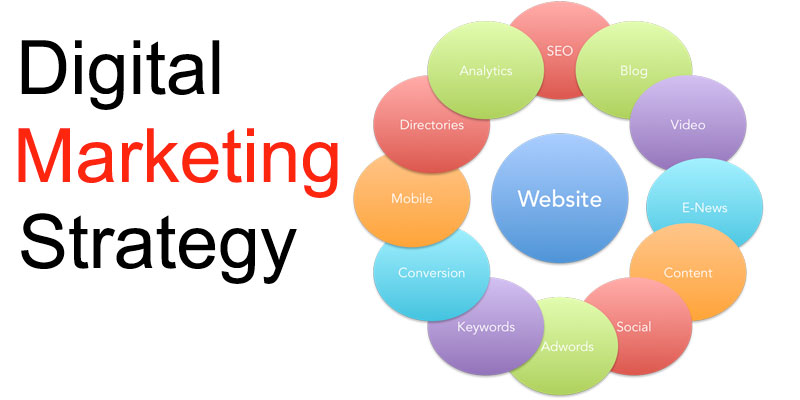
- Choose the relevant channels that can best connect to your audience (social networks, email, SEO, PPC ).
- Concentrate also on the wide variety of channels to optimize the reach and engagement levels.
5. Outline A Content Strategy:
- Develop helpful as well as engaging content for your target audience.
- Draft and implement a content calendar to make sure there is regular posting for various activities (blogs, videos, social media updates).
6. Optimize for SEO:
- Keyword research for SEO should also be done.
- Make appropriate improvements for your site and content regarding both on-page SEO and off-page SEO for search engine ranking purposes.
7. Implement Paid Advertising:
- Pay-per-click (PPC) methods may be employed in order to attract qualified visitors in a short time.
- You might even include ads on social networks to further project a commercial statement to the public whenever your customers are.
8. Utilize Analytics and Tracking:
- Use appropriate data and analytics applications (for example Google Analytics), to keep track of relevant performance indicators.
- Track other parameters like site visits, conversions, and interactions, to evaluate how well your marketing campaigns are strategy.
9. Test and Optimize:
- Test and optimize every element of the campaign. For example, A/B test email subject lines and ad creatives among other elements to determine what works best.
- Ongoing improvement of the approach should be informed by performance results and analytics.
10. Stay Updated with Trends:
- Monitor the current state of the art in the industry and the forefront technologies so as not to be left behind.
- Other than that, re-strategize to include the offered technology, available platforms, and customer habits.
11. Engage with Your Audience:
- Build bridges with your audience through social media, email, and by being active in communities.
- Encourage feedback and conversation to promote retention.
12. Review and Revise Regularly:
- Constantly assess the effectiveness of your strategy, and adjust it where necessary.
- Schedule a few reviews thereafter (quarterly or half yearly) to evaluate progress in the attainment of the set deadlines.
Thus, these steps provide a blueprint for coming up with a digital marketing plan, that is realistic, time-bound, and geared towards the core audience for both enhancing the brand presence and business growth.

Author
1