For most children, the ideal age to start nursery school is between 3 and 4 years old. This is the stage when many children are developmentally ready to participate in group activities, communicate their basic needs, follow simple instructions, and spend short periods away from their parents.
That said, there isn't a single "perfect" age that fits every child. Some children thrive when they start slightly earlier, while others benefit from waiting a little longer. Pediatricians and early childhood educators generally recommend looking at a child's overall readiness, not just their birthday.
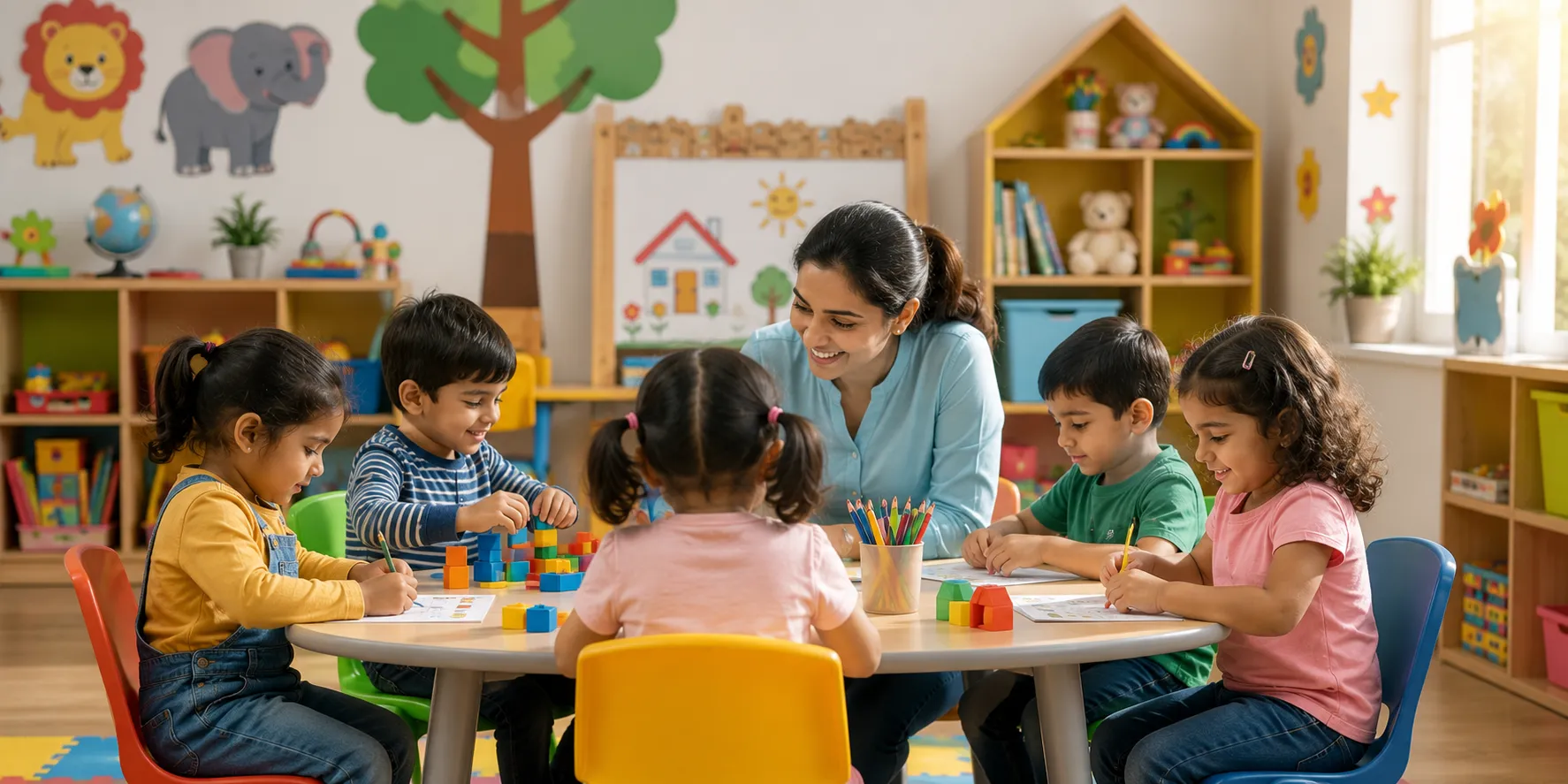
Age-by-Stage Recommendations
Every stage of early childhood brings different developmental milestones.
| Age | Recommendation | What It Usually Looks Like |
|---|---|---|
| 0–18 months | Too early for nursery | Best with primary caregivers and home-based interaction |
| 18–24 months | Suitable for playgroups or parent-toddler programs | Short sessions focused on play and social exposure |
| 2–3 years | Some children may be ready | Good for gentle introductions to structured activities |
| 3–4 years | Recommended for most children | Strong balance of learning, play, and social development |
| 4–5 years | Excellent preparation for kindergarten | More structured learning and school readiness |
In some countries and schools, children may start earlier, especially in play-based early learning centers. However, traditional nursery or preschool programs most commonly begin around 3 years of age.
Signs of Readiness
Parents often focus only on age.
In reality, readiness matters much more.
Your child may be ready if they can:
-
Stay away from parents for a short period without extreme distress.
-
Follow simple one- or two-step instructions.
-
Show curiosity about other children.
-
Express basic needs using words or gestures.
-
Participate in simple group activities.
-
Sit and listen to a short story.
-
Begin following simple routines.
A child doesn't need to master every skill before starting nursery. In fact, nursery school is where many of these abilities naturally develop.
Benefits of Nursery School
A high-quality nursery program offers much more than learning the alphabet.
Social Development
Children learn to:
-
Share
-
Take turns
-
Make friends
-
Resolve simple conflicts
-
Communicate with peers
Language Development
Being surrounded by teachers and other children helps expand vocabulary, improve listening skills, and build confidence in speaking.
Emotional Growth
Nursery helps children gradually become comfortable spending time away from parents while learning independence in a safe environment.
School Readiness
Children become familiar with:
-
Classroom routines
-
Following instructions
-
Group learning
-
Basic literacy and numeracy activities
These experiences often make the transition to kindergarten much smoother.
One thing I've noticed while reading about child development is that many parents worry about whether their child will "fall behind" if they don't start nursery early enough. Research suggests that the quality of the learning environment and the child's readiness are much more important than simply starting as early as possible.
Choosing the Right Option
Not every nursery school offers the same experience.
When choosing one, consider:
Teacher-to-Child Ratio
Smaller groups usually allow for more individual attention.
Learning Approach
Look for programs that emphasize:
-
Play-based learning
-
Creativity
-
Exploration
-
Social interaction
rather than excessive academic pressure.
Safety & Hygiene
Check:
-
Clean classrooms
-
Safe outdoor play areas
-
Qualified staff
-
Emergency procedures
Parent Communication
A good nursery keeps parents informed about their child's progress, activities, and development.
Child's Comfort
Perhaps the most important factor is whether your child feels happy, secure, and excited to return each day.
Common Misconceptions
"Earlier is always better."
Not necessarily.
Starting too early isn't automatically beneficial if a child isn't emotionally ready.
"Nursery school is only about academics."
Actually, early childhood education focuses much more on:
-
Social skills
-
Emotional development
-
Communication
-
Play
-
Confidence
Academic learning is only one part of the experience.
"If my child cries on the first day, they're not ready."
Separation anxiety is completely normal.
Many children adjust within a few days or weeks with consistent routines and support.
Frequently Asked Questions (FAQs)
1. What is the best age to start nursery school?
For most children, 3 to 4 years is considered the ideal age, although individual readiness should always be considered.
2. Can a 2-year-old go to nursery?
Yes, some nurseries and early learning centers accept children around 2 years old, especially in play-based or toddler programs.
3. How do I know if my child is ready?
Look for signs such as curiosity about other children, ability to follow simple instructions, willingness to separate briefly from parents, and basic communication skills.
4. Is nursery school compulsory?
No. In most countries, nursery or preschool is optional, although it can provide valuable developmental benefits before formal schooling.
5. What should I look for when choosing a nursery school?
Choose a licensed program with qualified teachers, a safe environment, a low teacher-to-child ratio, strong parent communication, and a play-based learning approach.
Nursery School Readiness at a Glance
| Factor | Recommendation |
|---|---|
| Ideal Starting Age | 3–4 years for most children |
| Earlier Entry | Possible around 2–3 years if developmentally ready |
| Most Important Factor | Child's emotional and developmental readiness |
| Key Benefits | Social skills, language, confidence, independence |
| What Parents Should Prioritize | A nurturing, safe, play-based learning environment rather than starting as early as possible |
Must Read:How Important Is Attending Pre-School Nursery For A Child?