-(2).jpg)
A CRM can be useful for much more than simply storing customer names and contact details.
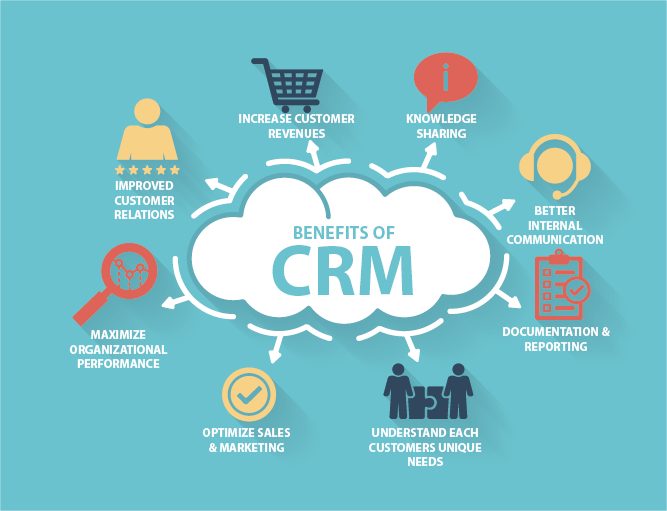
The main benefit is having customer information, interactions, follow-ups, and sales activities organized in one place. This can make it easier for teams to understand what is happening with each customer and what needs to happen next.
Some of the key benefits include:
Better organization: Customer and prospect information stays in one central system.
Improved follow-ups: Teams can track leads, tasks, calls, meetings, and reminders without relying on spreadsheets or memory.
Less manual work: Repetitive activities can often be automated, such as notifications, follow-up tasks, and routine workflows.
Better customer service: Having previous interactions and relevant customer information available can help teams respond more effectively.
Sales visibility: Managers can see where leads and opportunities are in the sales process and identify potential bottlenecks.
Better reporting: CRM data can help businesses understand sales activity, customer behavior, and overall performance.