
10 Indications of Low Potassium (Hypokalemia)
Potassium, a critical mineral in the body, regulates essential functions such as muscle movement, nerve signaling, and blood pressure. When potassium levels dip below the normal range (3·5-5·0 mmol/L), it results in hypokalemia.
Although mild cases of low potassium may not manifest noticeable symptoms, here are 10 potential indicators to be mindful of:
Muscle Afflictions:
1. Muscle Weakness and Fatigue: Feeling weak and fatigued is a common manifestation of low potassium, impacting everyday tasks and physical performance.
2. Muscle Cramps and Spasms: Erratic signaling due to low potassium can result in painful cramps and spasms, notably in the legs and feet.
3. Tingling and Numbness: Nerve transmission disruptions from low potassium can cause tingling or numbness, particularly in the extremities or around the mouth.
Digestive Disturbances:
4. Constipation: Potassium aids in the rhythmic contractions facilitating digestion· Insufficient levels can lead to slowed bowel movements, causing constipation and bloating.
5. Nausea and Vomiting: Severe hypokalemia may induce digestive distress, occasionally resulting in nausea and vomiting.
Heart-Related Indicators:
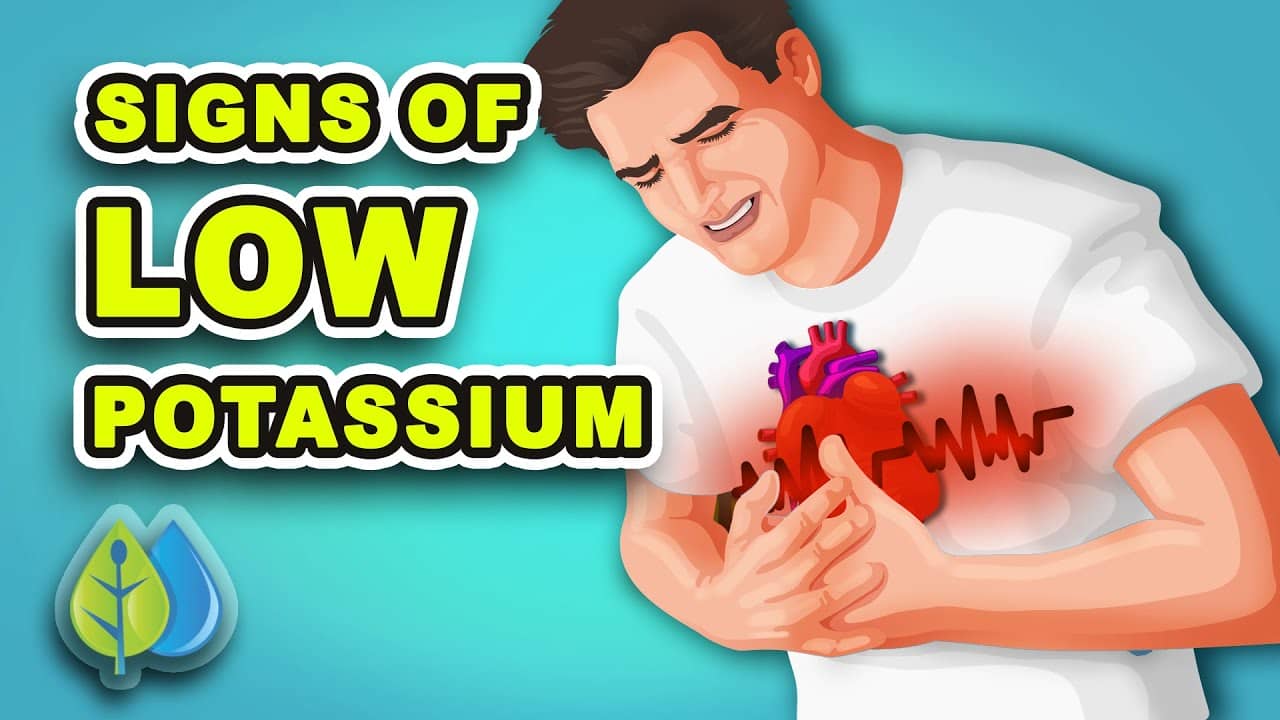
6. Heart Palpitations or Irregular Heartbeat: Potassium is pivotal for maintaining cardiac rhythm; hence, low levels can provoke irregularities like skipped beats or fluttering sensations.
7. Shortness of Breath: Severe hypokalemia-induced heart rhythm disruptions may lead to breathlessness, especially during exertion.
Additional Signs:
8. Excessive Urination: Diuretic medications and severe hypokalemia can elevate urine output.
9. Increased Thirst: Potassium loss via excessive urination may prompt heightened thirst due to dehydration.
10. Headache and Lightheadedness: Low potassium can impact blood pressure regulation, potentially resulting in headaches and dizziness, notably upon standing.
Remember, this information does not replace professional medical advice. Always consult with a healthcare provider for personalized guidance and treatment.