
Dr. B.R. Ambedkar, a renowned Indian scholar and statesman, obtained several degrees throughout his academic journey. He began his education at Elphinstone College, University of Bombay, where he earned a Bachelor of Arts (B.A.) degree in Economics and Political Science in 1912. In 1913, he received a Bachelor of Law (LL.B.) degree from the same university.
Ambedkar then pursued higher education in the United States, where he earned a Master of Arts (M.A.) degree in Economics in 1915 and a Doctor of Philosophy (Ph.D.) degree in Economics in 1927 from Columbia University in New York. He also studied at the London School of Economics and Political Science (LSE) and enrolled in Gray's Inn to study law. Nevertheless, owing to insufficient funds, he was compelled to return to India in 1917.
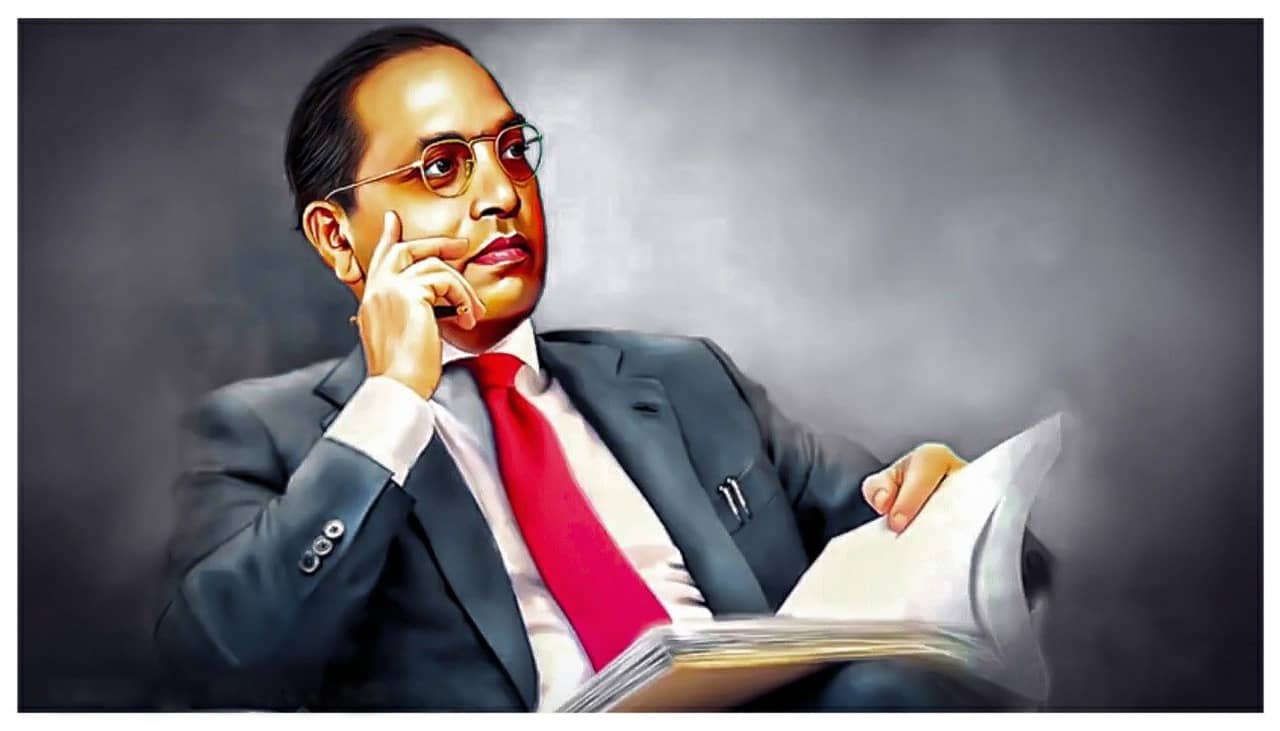
In 1918, Ambedkar became a Professor of Political Economy at Sydenham College, Mumbai (erstwhile Bombay). He additionally presented a declaration to the Southborough Committee, advocating for the implementation of universal adult suffrage. In 1920, with financial assistance from Chhatrapati Shahuji Maharaj of Kolhapur, a personal loan from a friend, and his savings from his time in India, Ambedkar returned to London to complete his education.
In 1922, he was admitted to the bar and commenced practice as a barrister-at-law. He also completed his Master of Science (M.Sc.) and Doctor of Science (D.Sc.) from the LSE. His doctoral thesis was later published as "The Problem of the Rupee".
Ambedkar's contributions to the field of economics and social sciences were recognized with an honorary degree of Doctor of Science (D.Sc.) from Columbia University in 1952. He also received an honorary degree of Doctor of Letters (D.Litt.) from Osmania University, Hyderabad, in 1953.
In summary, Dr. B.R. Ambedkar obtained the following degrees:
- Bachelor of Arts (B.A.) in Economics and Political Science from the University of Bombay in 1912
- Bachelor of Law (LL.B.) from the University of Bombay in 1913
- Master of Arts (M.A.) in Economics from Columbia University in 1915
- Received a Doctor of Philosophy (Ph.D.) in Economics from Columbia University in 1927
- Master of Science (M.Sc.) from the London School of Economics and Political Science
- Doctor of Science (D.Sc.) from the London School of Economics and Political Science
- Barrister-at-Law from Gray's Inn, London, in 1923
- Honorary Doctor of Science (D.Sc.) from Columbia University in 1952
- Honorary Doctor of Letters (D.Litt.) from Osmania University, Hyderabad, in 1953