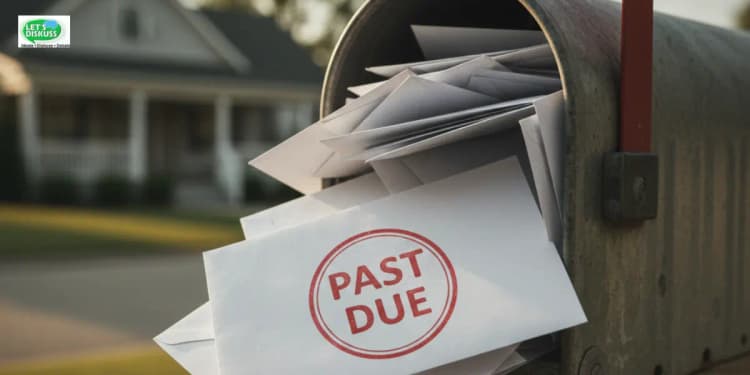
According to me, failing to pay student loans in the United States can lead to serious financial consequences. While the exact outcome depends on whether the loan is federal or private, missing payments for a long period can affect your credit, finances, and future borrowing ability.
Missing a Few Payments
If you miss a payment, the lender or loan servicer will usually report the delinquency after a certain period.
Initially, you may experience:
The longer the loan remains unpaid, the more serious the consequences become.
Impact on Your Credit Score
One of the biggest effects is damage to your credit score.
A lower credit score can make it harder to:
According to me, this is often the first major consequence borrowers notice.
What Is Loan Default?
When a student loan remains unpaid for an extended period, it may enter default.
Default means the lender considers the loan seriously delinquent and can begin stronger collection actions.
Consequences of Federal Student Loan Default
For federal student loans, potential consequences may include:
-
Collection agency involvement
-
Additional fees and costs
-
Loss of eligibility for certain repayment benefits
-
Difficulty obtaining future federal student aid
In some situations, the government may use legal collection methods permitted under federal law.
Consequences of Private Student Loan Default
Private lenders may:
The exact process depends on the lender and state laws.
Can Student Loans Be Forgiven?
Some borrowers may qualify for:
-
Income-driven repayment plans
-
Loan rehabilitation programs
-
Loan forgiveness programs
-
Temporary hardship assistance
According to me, it's always better to contact the loan servicer before stopping payments rather than ignoring the debt.
What Should You Do If You Can't Pay?
If you're struggling financially:
-
Contact your loan servicer immediately
-
Ask about repayment options
-
Explore hardship programs
-
Consider income-based repayment plans
-
Avoid ignoring notices and letters
Taking action early can often prevent more serious consequences.
Not paying student loans is rarely a good long-term solution. While missing a payment may seem manageable at first, unpaid loans can create lasting financial challenges. If someone is having trouble making payments, the smartest approach is usually to communicate with the lender and explore available assistance programs rather than letting the loan fall into default.
Must Read: What are the different types of student loans ?