
Creatine is a naturally occurring compound made from the amino acids arginine, glycine, and methionine. About 95% of the body's creatine is stored in skeletal muscles, where it helps produce quick energy for short, high-intensity activities such as weightlifting, sprinting, and jumping. The remaining creatine is found in the brain and other tissues. The body produces creatine naturally, and it is also obtained through foods like meat and fish or from dietary supplements.
Today, creatine is one of the most researched sports nutrition supplements in the world. Numerous clinical studies have shown that creatine monohydrate can improve high-intensity exercise performance, increase muscle strength, and support muscle growth when combined with resistance training. Researchers are also studying its potential benefits for brain health, healthy aging, and certain medical conditions.
How It Works
Creatine helps your muscles produce energy more efficiently during short bursts of intense activity.
The process works like this:
-
Your body stores creatine in muscles as phosphocreatine.
-
During intense exercise, muscles rapidly use ATP (adenosine triphosphate) as their main energy source.
-
Phosphocreatine helps regenerate ATP quickly.
-
More available ATP allows muscles to continue performing at a high intensity for a longer period.
-
Over time, this can improve training performance, strength, power, and muscle adaptations when combined with regular exercise.
Unlike stimulants, creatine doesn't directly increase energy like caffeine. Instead, it helps your muscles recycle energy more efficiently during demanding physical activity.
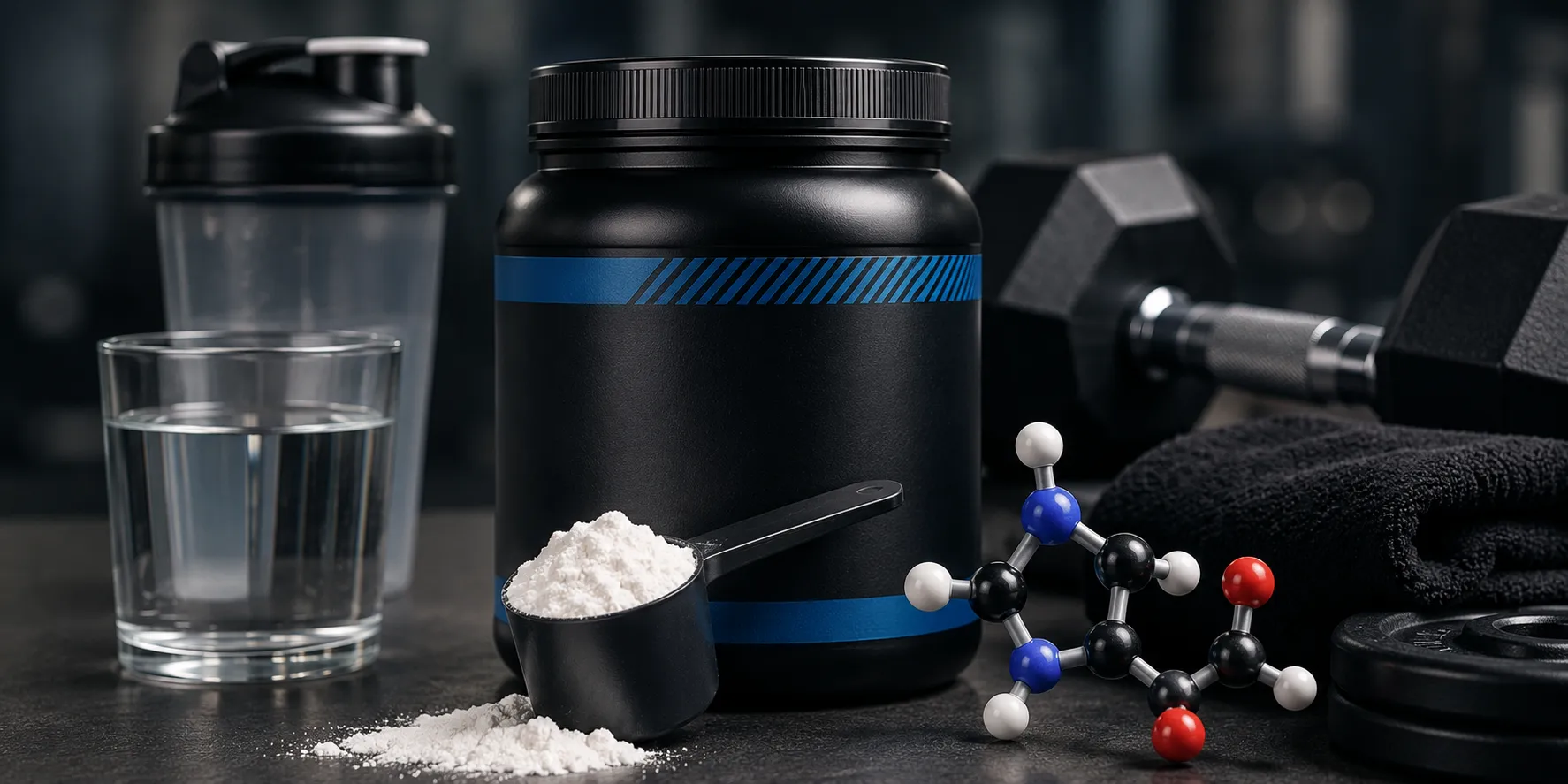
Types
Several forms of creatine supplements are available, but scientific research supports some more strongly than others.
| Type | Description |
|---|---|
| Creatine Monohydrate | The most researched, widely used, and scientifically supported form. |
| Creatine Hydrochloride (HCl) | Marketed for improved solubility, but has less long-term research. |
| Buffered Creatine | Designed to improve stability, though evidence hasn't shown consistent advantages. |
| Creatine Ethyl Ester | Absorbed differently but generally hasn't outperformed monohydrate in studies. |
| Micronized Creatine | Finely ground creatine monohydrate that may mix more easily in liquids. |
Among all available forms, creatine monohydrate remains the gold standard because it has the strongest evidence for effectiveness, safety, and affordability.
Benefits
Research suggests that creatine supplementation may provide several benefits.
-
Improves strength and power during high-intensity exercise.
-
Supports muscle growth when combined with resistance training.
-
Enhances performance during repeated short-duration activities.
-
May improve exercise recovery.
-
Helps increase lean muscle mass.
-
Supports ATP production for rapid energy.
-
May provide cognitive benefits in certain populations, although research is ongoing.
-
Has been investigated for healthy aging and several neurological and medical conditions.
Most evidence shows that creatine is particularly effective for activities requiring repeated bursts of power rather than long-duration endurance exercise.
Food Sources
Creatine naturally occurs in several animal-based foods.
| Food | Creatine Source |
|---|---|
| Beef | Rich natural source |
| Pork | Good source |
| Salmon | Contains natural creatine |
| Tuna | Moderate source |
| Herring | One of the richest natural sources |
| Chicken | Contains smaller amounts |
People following vegetarian or vegan diets generally consume very little dietary creatine and may have lower muscle creatine stores than people who regularly eat meat or fish.
Dosage
Although individual needs vary, research commonly uses two supplementation approaches.
| Method | Typical Dosage |
|---|---|
| Loading Phase | 20 grams per day (split into four 5 g doses) for 5–7 days, followed by maintenance. |
| Maintenance Dose | 3–5 grams per day. |
Many people skip the loading phase and simply take 3–5 grams daily, which also increases muscle creatine stores over time, although more gradually. Before starting any supplement, it's best to consult a qualified healthcare professional, especially if you have an underlying medical condition.
Side Effects & Safety
Creatine is considered one of the most extensively researched dietary supplements.
Current evidence indicates that creatine monohydrate is generally safe for healthy adults when taken at recommended doses.
Possible side effects may include:
-
Temporary water retention
-
Mild weight gain due to increased water stored in muscles
-
Stomach discomfort in some people, especially with very high doses
-
Diarrhea if large amounts are taken at once
People who have kidney disease, are pregnant or breastfeeding, or have certain medical conditions should speak with a healthcare provider before using creatine supplements.
Common Misconceptions
"Creatine is a steroid."
No.
Creatine is not an anabolic steroid. It is a naturally occurring compound involved in energy production.
"Creatine damages healthy kidneys."
Current research does not support this claim in healthy individuals using recommended doses. However, people with existing kidney disease should seek medical advice before supplementation.
"Creatine only benefits bodybuilders."
Not true.
Creatine is used by athletes across many sports requiring short bursts of power and is also being studied for potential applications in healthy aging, brain health, and certain clinical populations.
"All creatine supplements are equally effective."
Not necessarily.
Among the available forms, creatine monohydrate has the strongest scientific evidence supporting its effectiveness and safety.
Frequently Asked Questions (FAQs)
1. What is creatine?
Creatine is a naturally occurring compound that helps muscles rapidly produce energy during short, high-intensity activities. It is produced by the body and obtained through certain foods and supplements.
2. Is creatine safe?
Research indicates that creatine monohydrate is generally safe for healthy adults when taken at recommended doses.
3. Which type of creatine is best?
Most sports nutrition experts and scientific studies recommend creatine monohydrate because it has the strongest evidence for safety and effectiveness.
4. Can vegetarians benefit from creatine?
Yes.
Because vegetarians and vegans typically consume little or no creatine from food, supplementation may increase their muscle creatine stores more noticeably than in regular meat eaters.
5. Does creatine build muscle without exercise?
Not significantly.
Creatine works best when combined with regular resistance or high-intensity training. Supplementation alone is unlikely to produce substantial increases in muscle strength or mass.
Creatine is a naturally occurring compound that plays a key role in rapid energy production, particularly during short, high-intensity physical activity. Backed by decades of scientific research, creatine monohydrate is considered the most effective and well-studied form for improving strength, power, and exercise performance when combined with appropriate training.
Must Read: Is Whey Protein Good for Weight Loss?
 Answered by