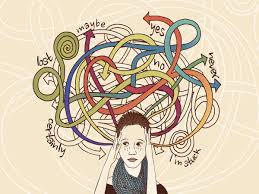
Overthinking is the habit of thinking about a problem, decision, or situation excessively, often analyzing it repeatedly without reaching a conclusion or taking action. It can lead to stress, worry, and mental exhaustion because the mind becomes stuck in a cycle of unnecessary thoughts.
Overthinking is not the same as careful planning or problem-solving. Healthy thinking helps people evaluate options and make informed decisions, while overthinking involves dwelling on possibilities, replaying past events, or imagining worst-case scenarios long after useful analysis has ended. It commonly appears in two forms: rumination, which focuses on past mistakes or experiences, and worry, which centers on future uncertainties.
For example, someone who sends an important email might later reread it mentally several times, wondering whether they used the right words or offended someone. Similarly, a person considering a career change may spend weeks thinking about every possible outcome without making a decision. In these situations, excessive thinking can increase anxiety rather than provide clarity.
Several factors can contribute to overthinking, including perfectionism, fear of failure, low self-confidence, stressful life events, or a tendency to seek certainty in situations where certainty is impossible. While occasional overthinking is common, persistent overthinking may interfere with sleep, concentration, productivity, and overall well-being.
Recognizing overthinking is the first step toward managing it. Signs often include repeatedly replaying conversations, struggling to make simple decisions, constantly seeking reassurance, or feeling mentally drained after thinking about the same issue for long periods. Techniques such as setting time limits for decision-making, practicing mindfulness, engaging in physical activity, writing down thoughts, and focusing on actions within one's control may help reduce overthinking.
In short, overthinking is the process of analyzing thoughts, situations, or decisions more than is helpful, often creating unnecessary stress and preventing action. Learning to balance reflection with action can help people make decisions more confidently and maintain better mental well-being.